







Profile view of a bearded man wearing a black baseball cap and a dark gray T-shirt against a plain light background.

What size mini split a Texas home needs

Step 1 of 3: Equipment

Sizing a mini split comes down to square footage, insulation, and how much sun the room takes on, not just the size of the space. A 12,000 BTU unit covers roughly 500 to 600 square feet, but a Texas summer pushes harder on that number than mild weather would. Rooms with west-facing windows, high ceilings, or poor insulation need more capacity than the square footage alone suggests, because the unit is fighting heat gain most of the day from spring through fall. Go too small and it runs constantly without pulling the humidity down, leaving the room cool but damp. Go too large and it cools the air fast, shuts off, and leaves the moisture behind, since a mini split only wrings out humidity while it runs. The right size depends on the specific room: its square footage, its windows, its ceiling height, and how it's insulated. A load calculation done for your home, not a chart, is what gets the number right.

A woman with long gray hair wrapped in a checked blanket sits on a sofa by a window with yellow autumn foliage outside, with a lamp, framed picture and plant in the background.
An older woman in a cream knit sweater sits on a sofa by a window, looking out at sunlit trees with yellow and orange autumn leaves, with a bookshelf and lamp behind her.
A woman with gray shoulder-length hair in a dark knit sweater sits on a cushioned seat by a window, looking out at yellow autumn foliage, with a living room, armchair, houseplant and framed picture behind her.
An older woman with gray hair in a bun, wearing a cream knit sweater, sits on a sofa with a gray blanket and looks out a large window toward yellow-green autumn trees, with a lit table lamp and dark armchair behind her.
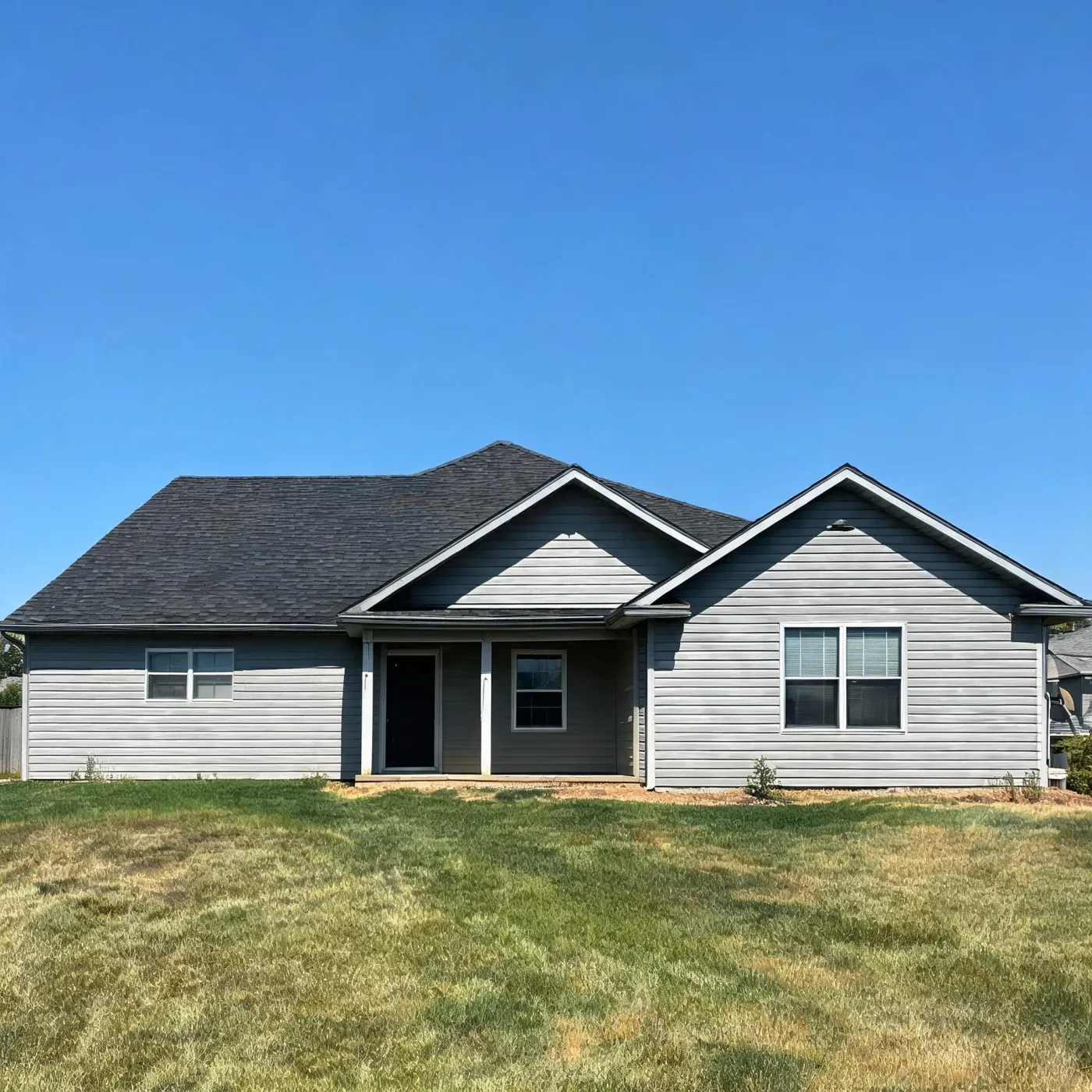
Single-story house with gray horizontal lap siding, dark shingled gable roof, a small covered front porch with a dark door, and windows, set behind a patchy green and brown lawn under a clear blue sky.

A summer dew point of 68°F is what makes Texas air feel heavy even when the thermometer isn't doing anything dramatic, according to NOAA climate data. For a mini split, that moisture is a separate job from cooling the air. The unit has to pull water out before the room feels comfortable, and that takes capacity the temperature number alone doesn't show. Size one for the square footage and skip the humidity, and you'll notice it as a room that feels cool on the thermostat but still damp, with the unit running long stretches without shutting off. Sized right for both, it cycles off and the air actually feels dry, not just cooler.

NASA POWER T2MDEW county cells weighted by homes

A man seen from behind raises his hand to wave at a woman standing in the open front doorway of a single-story house with gray shingle siding, white columns and a gabled porch entry.

Undersize it and the room never quite gets there

Put a 9,000 BTU unit in a sunroom that needs 12,000 and you'll feel it by August. The thermostat hits its setting, but the air still feels thick, and the unit runs almost nonstop trying to catch up. On an electric bill, that shows up as a system working harder for less comfort, every single day the heat holds on.

Oversize it and you get a different problem. A unit too big for the room cools the air fast, shuts off, and leaves the moisture behind, so the room feels clammy even at the right temperature. Getting the match right for your square footage, your insulation, and how much sun that room takes takes someone who's sized these for other houses in your area and seen both mistakes play out. A local contractor who installs mini splits across Texas homes can walk your space and tell you where it lands.

A gray upholstered sofa with a textured cushion sits beside a dark round side table holding a vase of green foliage, with a table lamp and sheer-curtained window behind.

Power costs 15.40 cents per kilowatt-hour statewide

At 15.40 cents per kilowatt-hour, running an oversized mini split all summer costs you more than the install price difference would suggest. Getting the BTU count right keeps the compressor cycling normally instead of running flat out, which is where the real savings on your bill show up.

EIA-861 2025 statewide residential average

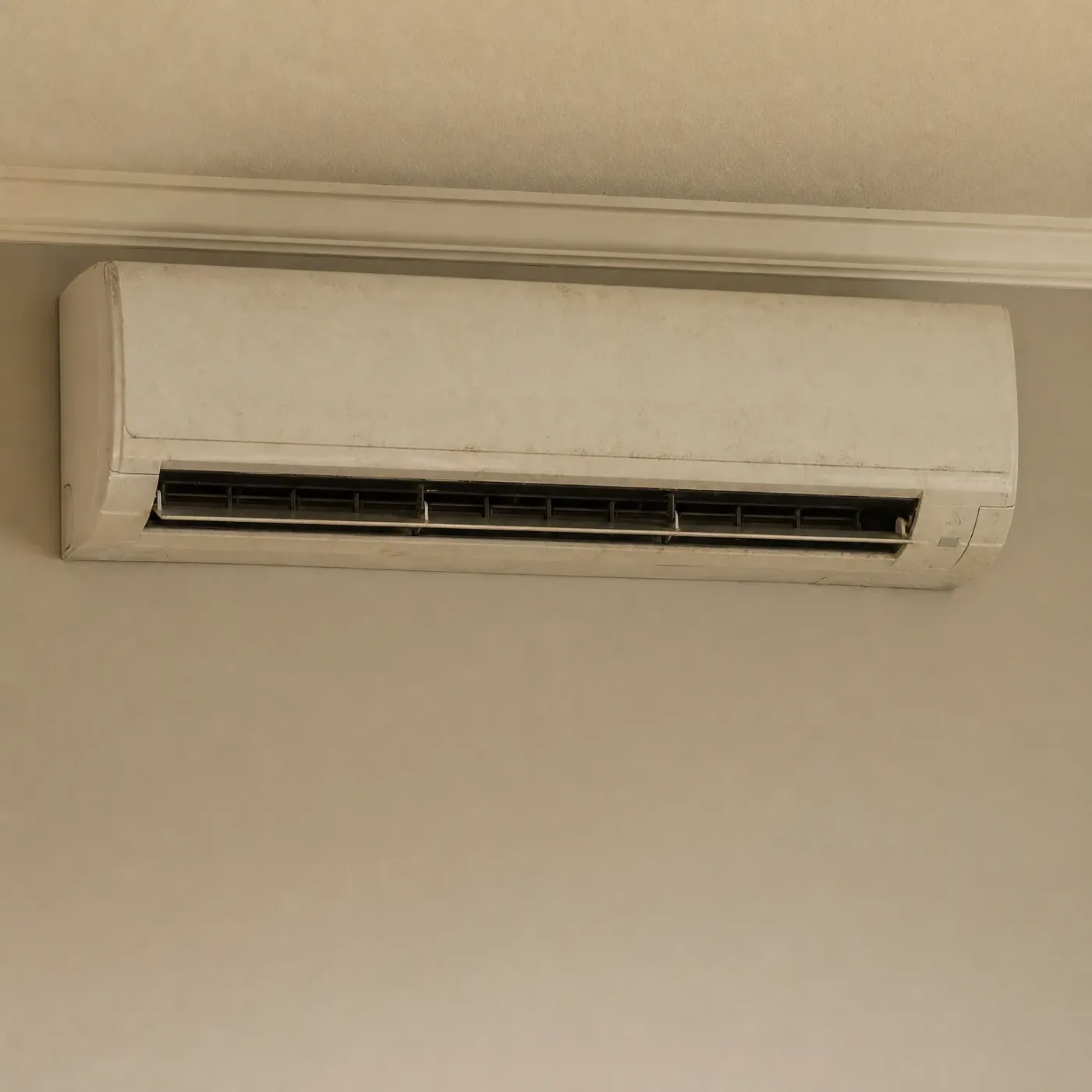
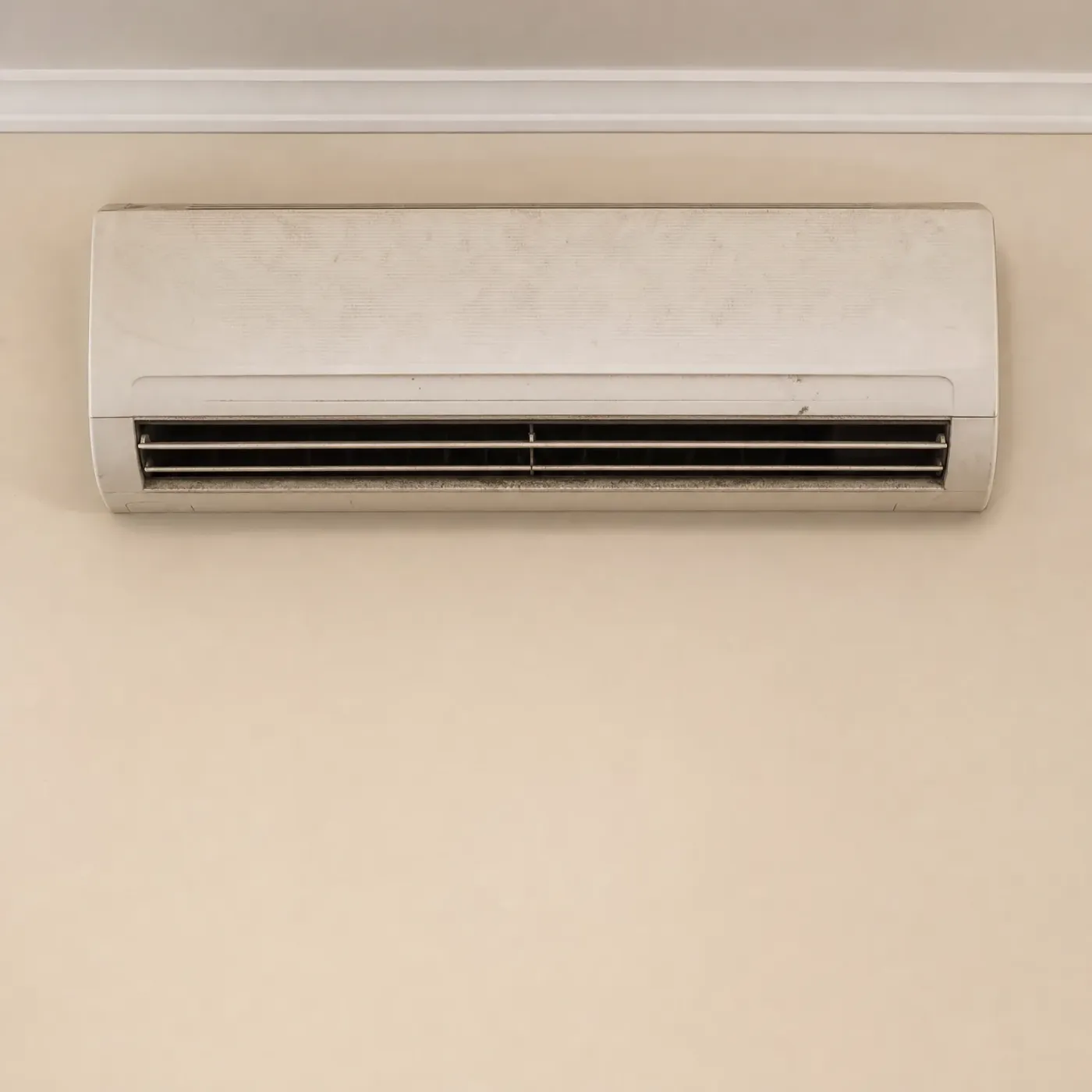
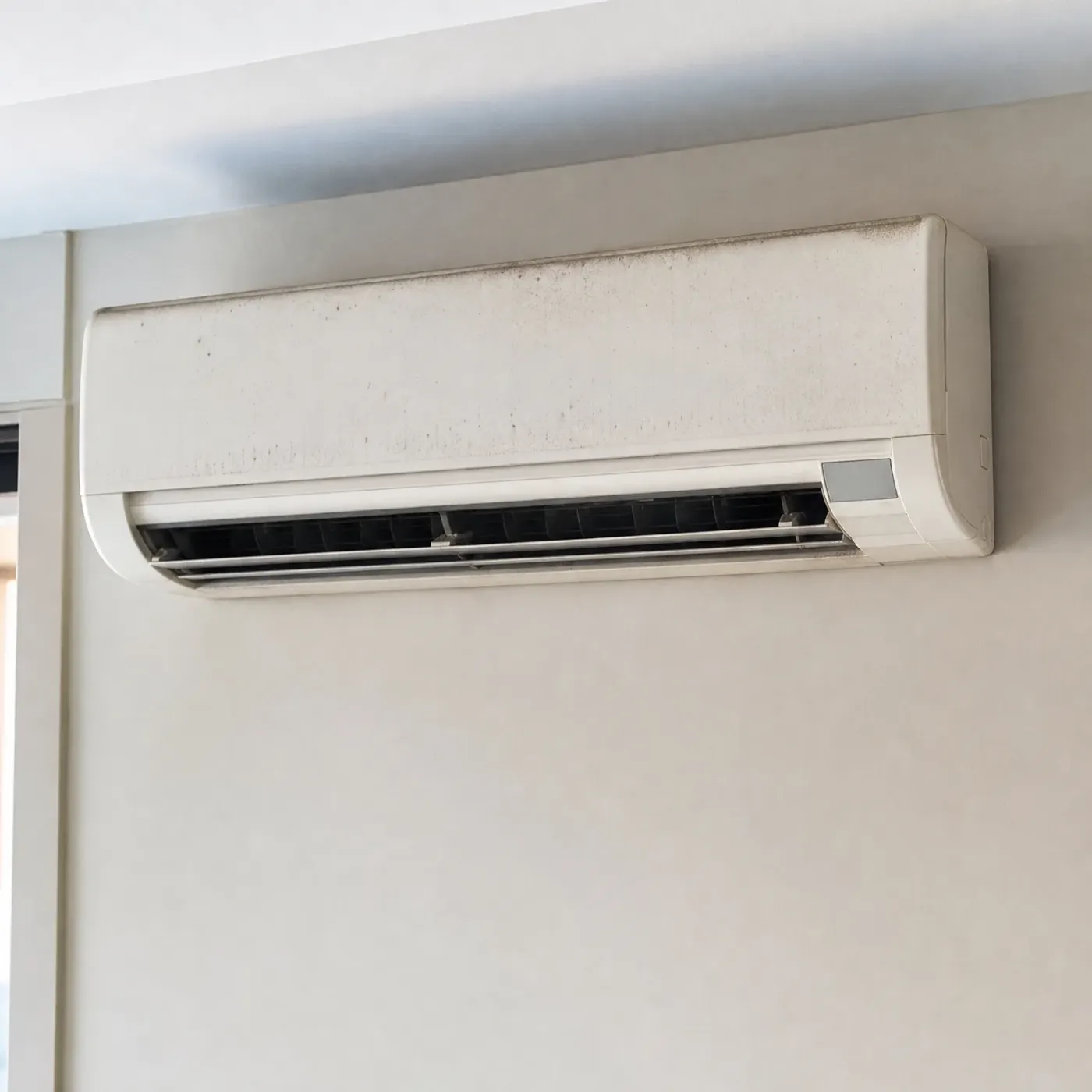
A wall-mounted mini-split air conditioner indoor unit with visible dust and staining, installed on a beige interior wall below white crown molding.
Before you get your mini split installation
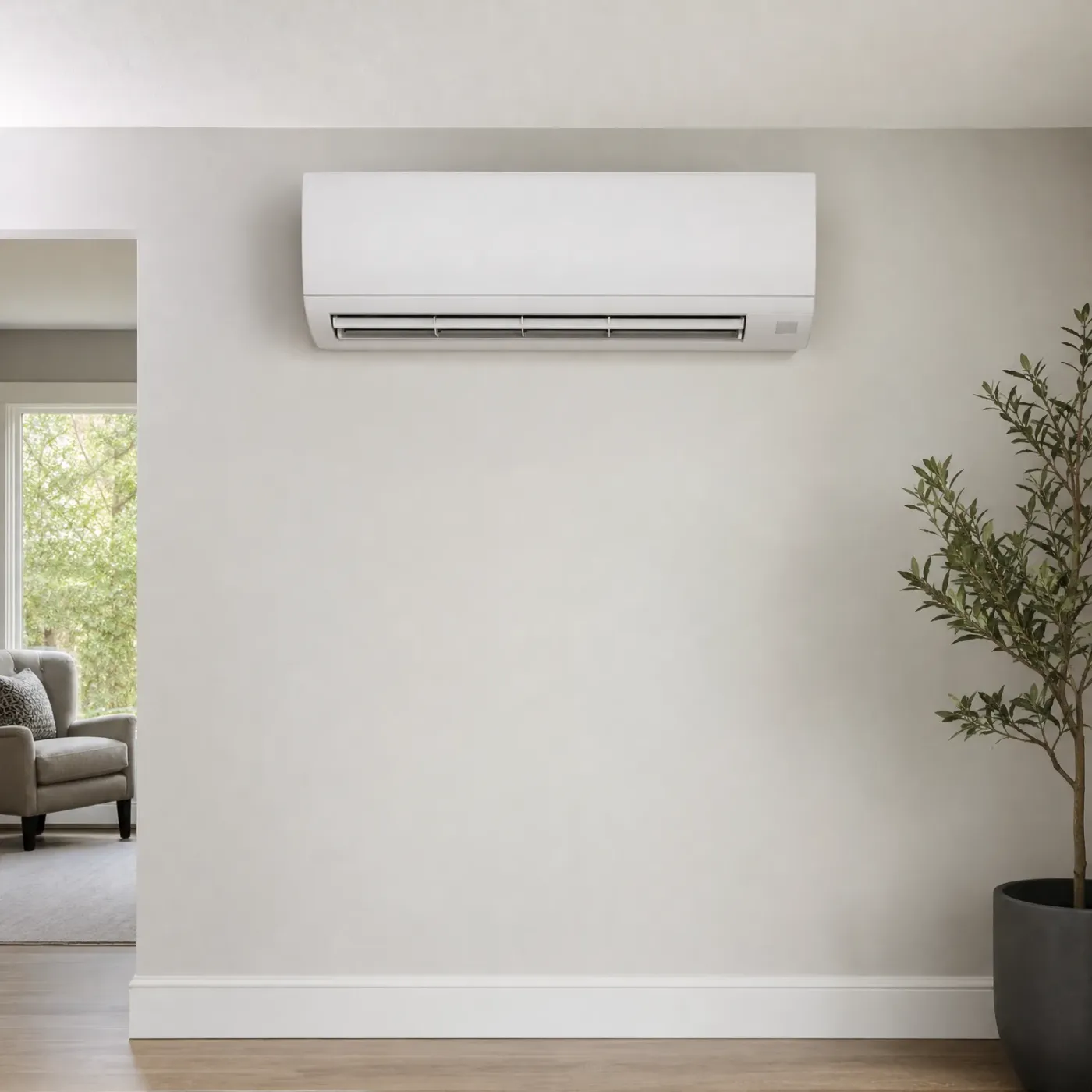
A white wall-mounted mini-split indoor unit high on a beige interior wall, with a potted olive-like tree at right and an armchair and window visible through a doorway at left.
After you get your mini split installation
  1. A tech measures every room and notes window placement and sun.

  2. That load calculation sets the BTU size, not a square footage chart alone.

  3. The indoor head goes up, then the line set connects it to the outdoor condenser.

  4. The system gets vacuumed down to pull moisture from the lines before charging.

One Room or Whole House

Single room

  • One indoor head handles one room, so the BTU count only has to match that room's square footage, windows, and sun exposure.
  • A bedroom or office under 400 square feet usually lands in the 9,000 to 12,000 BTU range once insulation and sun are factored in.
  • Install stays simpler because there's one line set running from one indoor head to one outdoor condenser.
  • Sizing mistakes are easier to catch, since an undersized or oversized unit shows up fast in how that one room feels.
  • You can add a second zone later, but the first one has to be sized for its room alone, not the whole house.

Multi-zone

  • A multi-zone system splits total BTU output across several indoor heads, so the math starts with each room's load added together.
  • A living room with west-facing windows needs more BTUs per square foot than a shaded bedroom, even on the same system.
  • Zoning lets you cool the rooms in use without running the whole house, which matters when a Texas summer keeps the system working long hours.
  • The outdoor condenser has to be sized for the combined load, not just the square footage total, or every zone underperforms at once.
  • More line sets and more indoor heads mean more places for the install to go wrong if the load calculation skips a room.
  • A tech who runs the numbers room by room avoids the common mistake of dividing total square footage evenly across zones that don't need equal cooling.
A woman in a cream knit sweater sits in an armchair with her eyes closed and a slight smile, beside an open window showing orange autumn foliage, with a mug, books and a lit candle on a small side table.
An older man with gray hair and a beard leans back on a beige sofa with his eyes closed, in a sunlit room with potted plants, a wicker chair and large windows behind him.

A local pro for your mini split installation

Getting the BTU count right on paper is one thing. Getting the unit mounted at the right height, the line set run cleanly, and the load calculation actually done instead of guessed from a chart is another, and that's a licensed installer's job, not a homeowner's. A contractor who works on mini splits in Texas homes all summer has seen what happens when a sunroom gets undersized or a bedroom gets an oversized unit that short cycles, and sizes around that instead of repeating it. You'd be matched with one local contractor for your home, not a handful competing for the job, so the person who calls you is the one who's actually going to look at your rooms, your windows, and your sun exposure before they recommend anything. That's worth more than another BTU chart once you're ready to move past sizing it yourself and get it installed correctly.

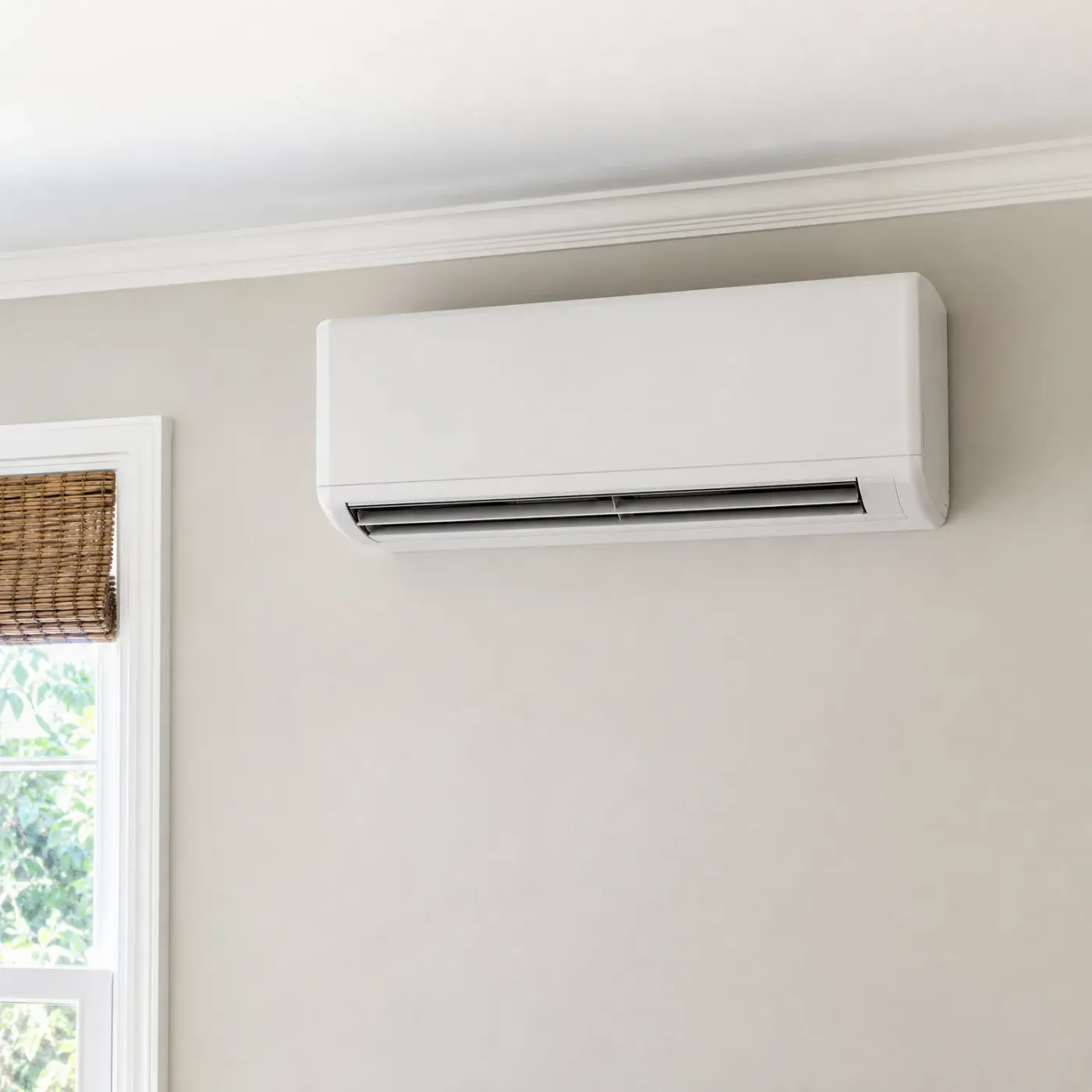
A white wall-mounted mini-split air conditioner unit installed high on a beige interior wall below white crown molding, with a window and woven shade at the left edge showing green foliage outside.

Running the way it should

A mini split sized to the room cycles on, pulls the humidity and temperature down, and shuts off. You won't see ice on the coil or hear it straining through the afternoon. That's a unit matched to the load, not just the square footage.
A dusty, stained white wall-mounted mini-split air conditioner indoor unit installed high on a plain off-white interior wall near the ceiling.

Signs it's working too hard

Dust and discoloration like this usually mean a filter that hasn't been cleaned, but a unit that's undersized for the room collects it faster because it never stops running long enough to idle. If yours looks like this by midsummer, the BTU count is worth checking before next season.

How does a tech figure out what size mini split I actually need?

You keep seeing the BTU charts online that just match square footage to a number, but you want to know what actually happens when someone qualified looks at your room. You've got a specific space in mind, maybe one with a lot of west-facing glass, and you're not sure a generic chart accounts for that.

A tech runs a Manual J load calculation, not a square footage chart

A chart gives you a range. A load calculation gives you a number specific to that room. The tech measures the walls, counts the windows, notes which way they face, and checks what's on the other side of the ceiling and the exterior walls. In Texas, a west-facing window changes the number more than people expect, since late afternoon sun loads a room for hours. Insulation matters too, since a well-sealed room holds the cooled air instead of losing it back to the attic or the wall cavity. All of that gets weighed against the square footage, not the other way around. The chart gets you in the neighborhood. The load calculation is what the installer actually sizes the unit to.

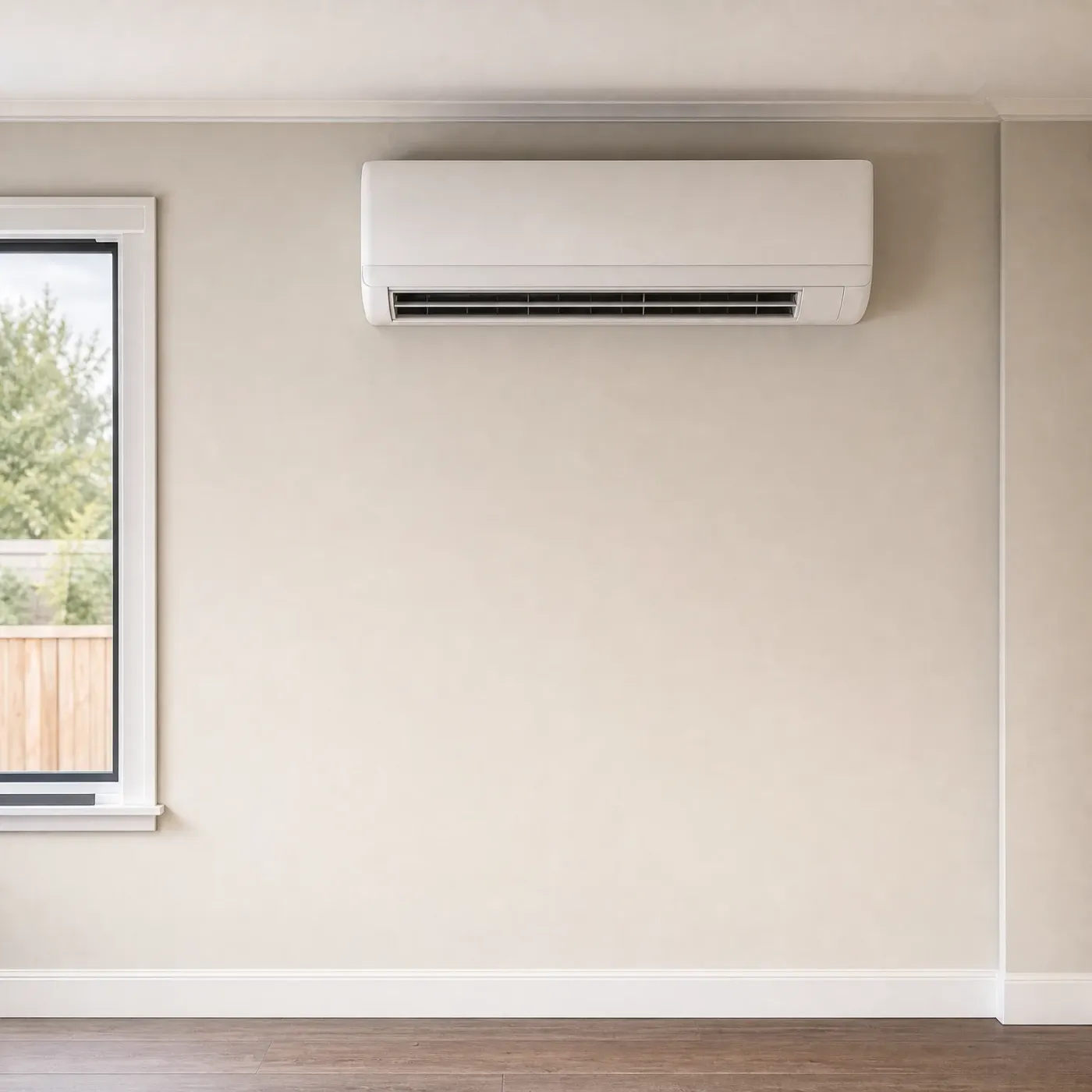
A white wall-mounted mini-split air conditioner on a beige interior wall, with a window at left showing trees and a wooden fence, and dark wood flooring below.

Sized and running right

This is what a correctly sized mini split looks like on the wall, doing its job without drawing attention to itself. It cycles on when the room needs it and shuts off when it's caught up. No rattling, no ice forming, no sense that it's working harder than it should through a Texas afternoon.

A white wall-mounted mini-split air conditioner indoor unit with dark louvered vents, installed near the ceiling on a beige wall below white crown molding.

Undersized and worn down

Dust building up on the casing is normal after a season or two, but a unit that looks like this and still can't keep a room comfortable is telling you something else. If it's running constantly and the room still feels sticky, the BTU count was probably wrong from the start, not just dirty.

Why does your mini split run all afternoon and still feel sticky

You'll notice it most in the room the unit is actually sized for. The air near the vent feels cool, but a few feet away it still feels damp, and the thermostat number doesn't match what your skin is telling you. You might hear the unit running long after it should have caught up, or notice it short cycling, kicking off after a few minutes and starting right back up. Either way points to a mismatch between the unit and the room. Left alone through a full Texas summer, that strain on the compressor is what shortens the life of the system, and the humidity it isn't pulling out is what makes the room feel unfinished no matter where you set the temperature.

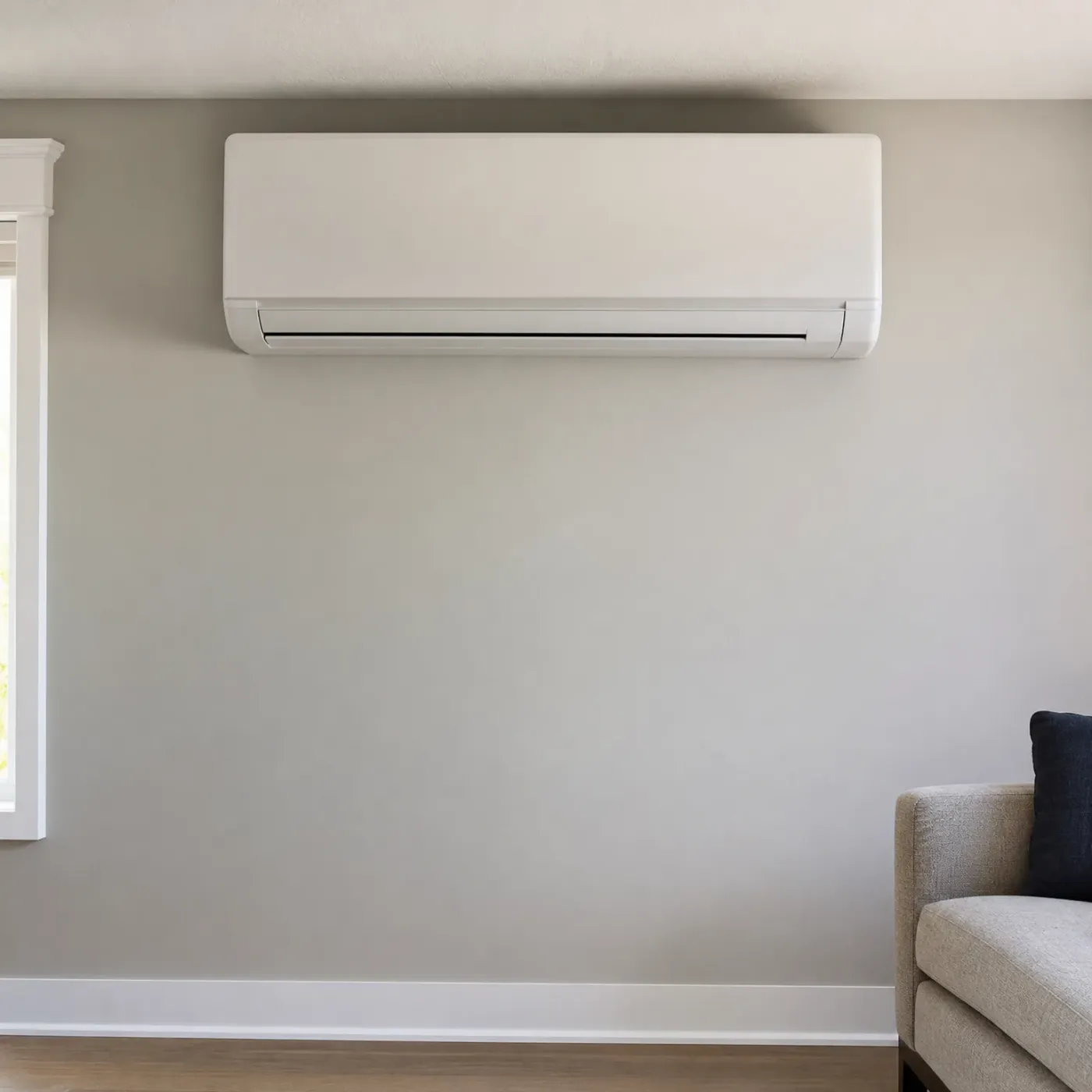
A white wall-mounted mini-split indoor unit installed high on a gray interior wall, with a window at left and part of a light gray sofa with a dark cushion at lower right.
A properly sized unit here clears the dew point out of the air instead of just chasing the thermostat number down.
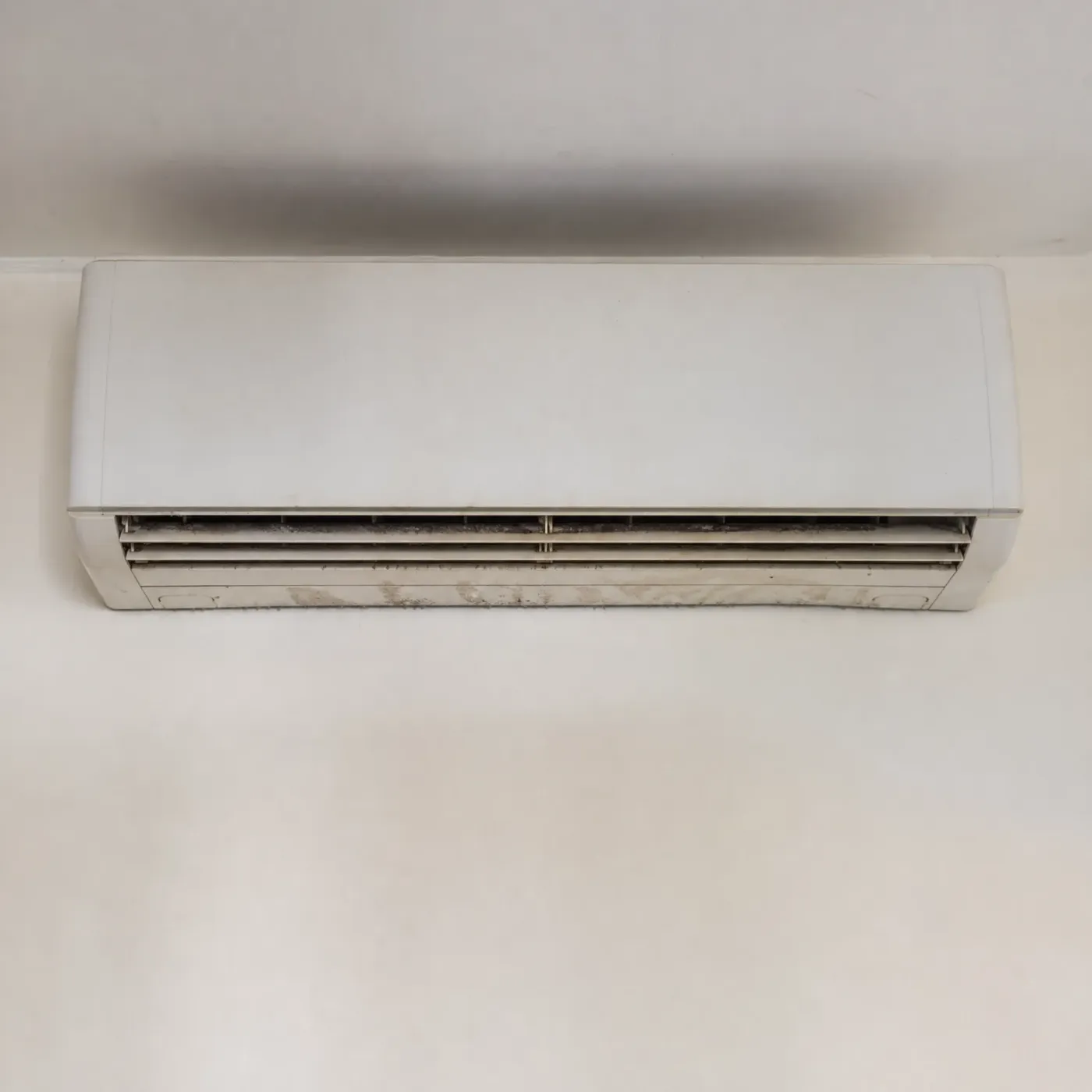
A white wall-mounted mini-split air conditioner indoor unit with visible dust and staining along its lower vent, installed on a plain pale wall.
Dirt and mold on the coil and vents block airflow, and a unit already undersized for the room has even less to work with.

The Right Size, Set Once

  • The right BTU count comes from a load calculation, not a chart match to square footage.
  • An undersized unit runs constantly and never pulls the humidity down to where the room feels dry.
  • An oversized unit cycles too fast to do that same moisture removal, even though it cools quickly.
  • A local installer who sizes these systems every summer knows which rooms in a Texas home run hot and why.
  • Working with one licensed contractor means one load calculation done right, not several competing guesses.
  • Once the size is set correctly, the unit's job for the rest of the summer is just to maintain it.

A mini split sized right for a Texas room does one thing all summer: it holds the line. Not too big, not too small, just matched to the square footage, the insulation, and the sun that room takes on. That match comes from someone actually measuring the room, not from reading a number off a chart. Once it's set, there isn't much left to think about. The unit cycles on when the heat and humidity build, pulls the moisture out along with the temperature, and shuts off. It doesn't run nonstop trying to catch up, and it doesn't short-cycle through the afternoon leaving the air cool but damp.

Getting there means having someone local do the load calculation, the kind of installer who's been in enough Texas attics and sunrooms to know which rooms run hotter than the square footage alone would suggest. That's work worth having one contractor do start to finish. A single licensed installer means one load calculation, one answer for your room, instead of sorting through a handful of different guesses from different companies.

The size itself isn't something you'll think about again once it's right. You'll notice it in what you don't notice: no ice on the coil, no straining sound in July, no sticky air a few feet from the vent. That's the whole point of getting the number right at the start. The rest of the summer, the unit's job is just to hold what it was sized to do.

Corner of a house with light horizontal lap siding, a white gutter and downspout, and a window, beside a mulched bed with small shrubs, a lawn, wooden fence and trees in the background.
Close-up of a white gutter along an asphalt-shingle roof edge with dry brown leaves collected in it, a downspout and lap siding below, and blurred autumn trees in the background.
Exterior corner of a house with horizontal lap siding above a stone veneer base and a dark-framed window, with ornamental grasses and shrubs in the foreground and trees in low sunlight behind.
A white horizontal-siding house with a steep gray shingled gable roof, fronted by trimmed shrubs, a brick walkway, and a lawn scattered with fallen autumn leaves.
Corner of a house with cream horizontal lap siding, a black-framed window, asphalt shingle roof with dark fascia, white hydrangea blooms and green shrubs below, and a leafy tree and wood fence to the right.

Get the right pro for your mini split

One installer gets your project, so there's no bidding war over it.

Get a local pro

You're not committing to anything by asking.