
A pro who works on mini splits
What a mini split tune-up covers in Texas
A mini split tune-up covers the filters, the coils, the condensate drain and the refrigerant charge, plus a check of how the system is actually cooling your rooms through a Texas summer. This page walks through what gets checked and why each part matters. Skip the search for who does it and get matched with a contractor who'll reach out directly.
Match me with a proA mini split tune-up means a contractor goes through the indoor and outdoor units and checks the things that make the system lose cooling power over time. The filters get pulled and cleaned, because a clogged filter is the most common reason a mini split blows warm air. The indoor coil gets checked for dust and grime buildup, and the condensate drain gets cleared so the unit isn't backing up water into your wall or ceiling. The outdoor coil and fan get checked too, since a dirty outdoor coil makes the whole system work harder in a Texas summer. Refrigerant charge gets checked last, since a mini split running low cools unevenly or not at all. The point of catching these early is that a mini split left alone tends to lose capacity gradually, so you notice warm spots or longer run times before you notice a full breakdown.




What does the contractor actually do to the outdoor unit?
The indoor head gets most of the attention in how people describe a mini split, but the outdoor unit is doing the harder job, especially once a Texas summer gets going. If that unit is dirty or blocked, the whole system works harder to do the same cooling. You want to know what a contractor actually does out there, not just that it gets "checked."
The coil gets washed, the fan gets checked, and the area around the unit gets cleared
The outdoor unit holds the condenser coil, and that coil has to shed heat for the system to cool your home. A contractor rinses it clean of the dirt, cottonwood and grass clippings that build up on it outside, because a coated coil can't release heat the way a clean one does. The fan motor and blades get checked to confirm the fan is moving enough air across that coil. The refrigerant lines running to the indoor head get inspected where they connect, since a loose fitting there is a slow leak waiting to happen. Around the unit itself, anything blocking airflow, like grass grown up against it or plants crowding the sides, gets noted, since the unit needs open space on all sides to breathe.
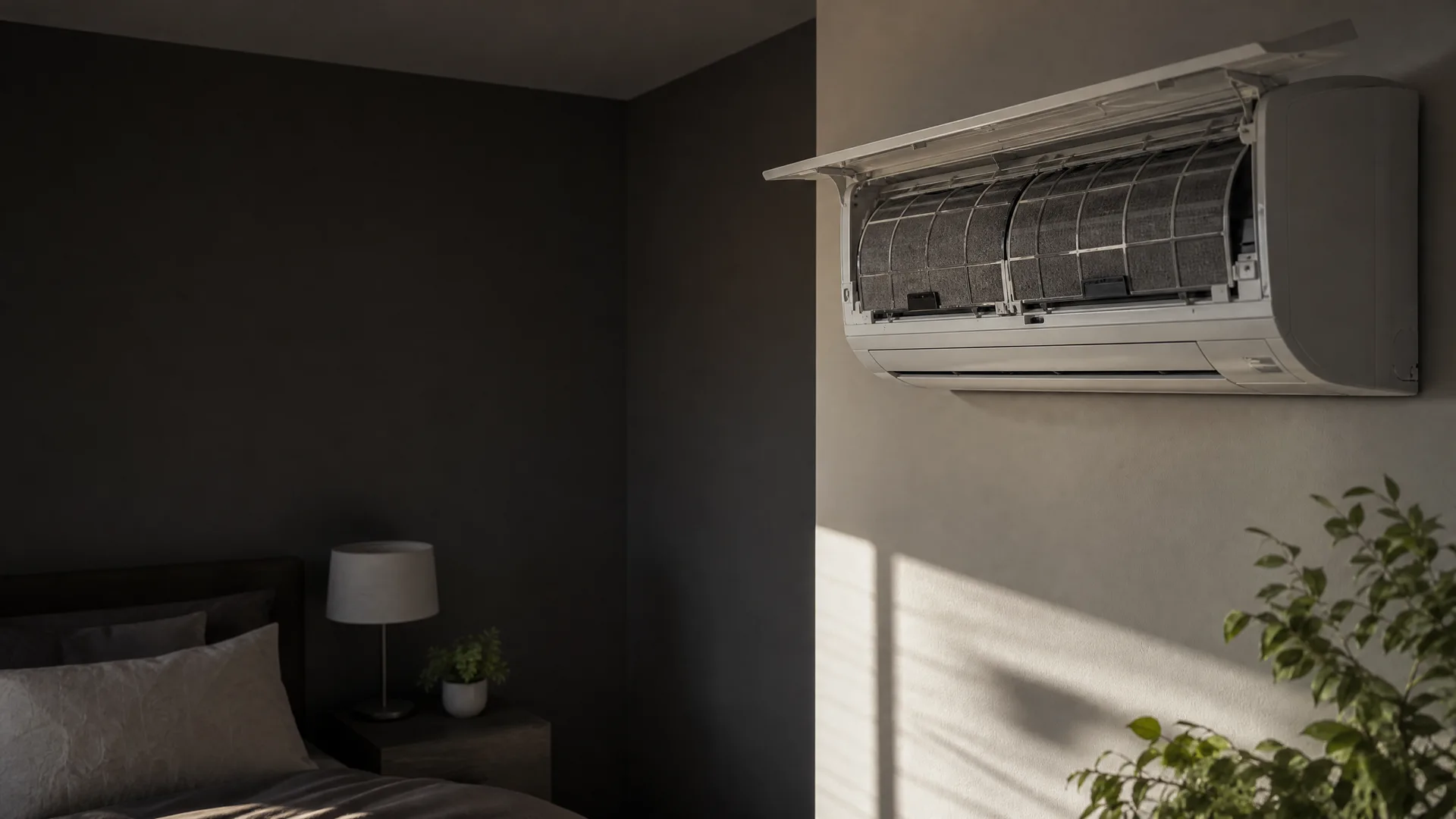
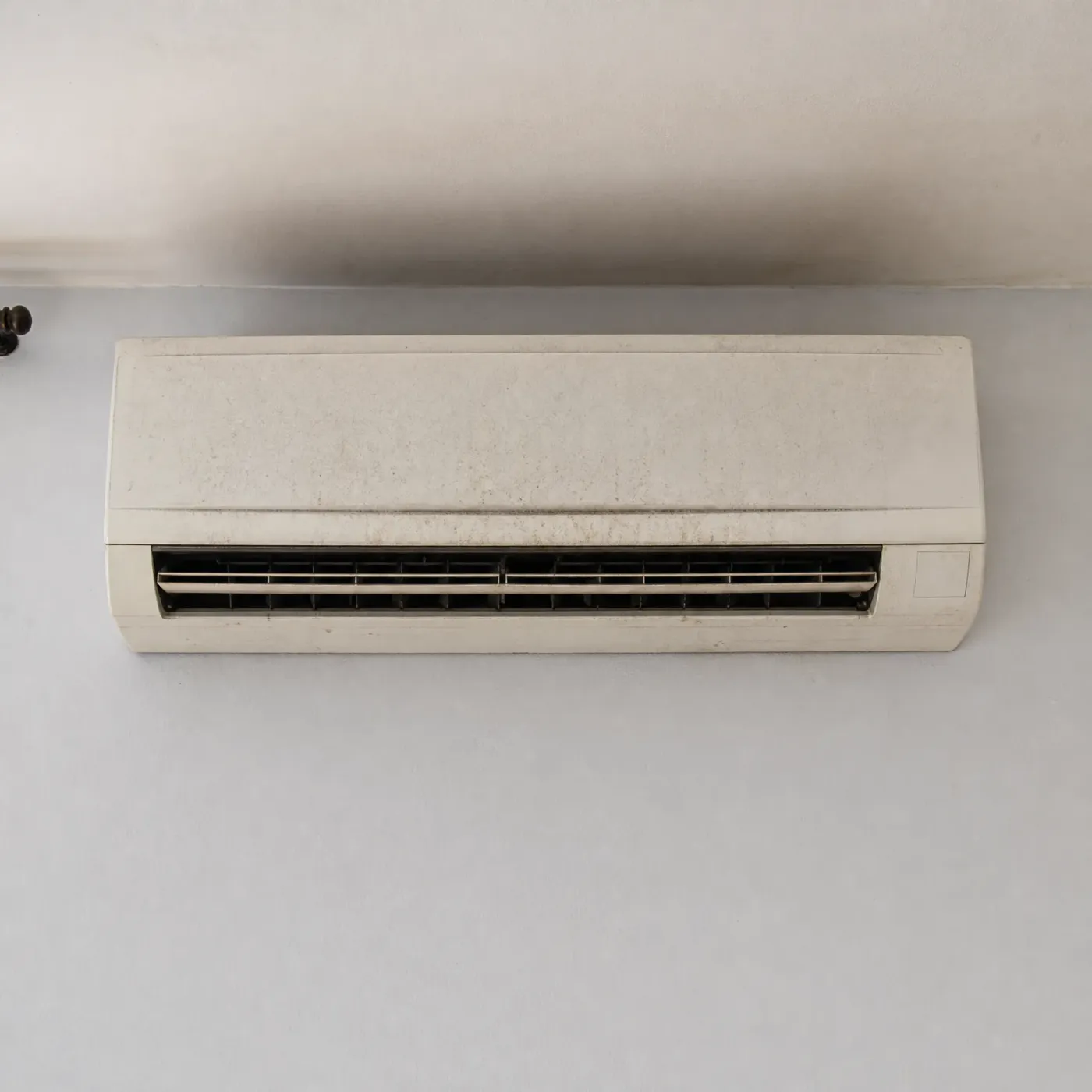
You open the cover on the bedroom unit because the air coming out stopped feeling cold around noon. The filter screen is grey with dust, the kind that builds up fast once the system starts running most of the day. Light comes in through the blinds, and you can see the mesh is packed tight enough that air barely moves through it. It is only April, and Texas has months of heat still coming. You slide the filter out to rinse it, already wondering what the coil behind it looks like, and whether the rest of the unit has been working this hard just to keep the room a few degrees cooler.
Tune-Up Now or Wait It Out
Tune-up now
- A contractor cleans the filters and coils before summer puts real load on the system, so the mini split isn't fighting dust and grime once it's running most of the day.
- Catching a low refrigerant charge or a weak condensate drain in spring means fixing it before the unit is cooling a Texas house for hours on end.
- You get one scheduled visit instead of tracking symptoms yourself and wondering if the system is still working the way it should.
- A tune-up catches a clogged drain line before it backs up and leaks into the wall or ceiling under the indoor head.
- Checking the outdoor unit for blocked airflow now means it isn't straining against its own dirt once outdoor temperatures climb.
Wait for a problem
- If the filter stays clogged, the system works harder to push the same amount of cold air into the room, and the electric bill reflects it.
- A refrigerant leak that goes unnoticed gets worse, and by the time the unit stops cooling well, the fix is bigger than a recharge.
- Without a scheduled check, you're the one noticing weak airflow or a warm room and then starting the search for someone to look at it.
- A blocked condensate drain can go unnoticed until water is already dripping from the indoor unit onto the floor or wall below it.
- A dirty outdoor coil stays dirty through the hottest months, and the system loses cooling capacity right when you need it most.

Why the filter matters so much
A mini split moves all its air through one filter screen, right behind the front cover of the indoor head. There's no ductwork to share the load. When that screen clogs with dust, the indoor coil behind it gets starved for airflow, and the coil can ice over even while the room stays warm. That's why a dirty filter is the single most common reason a mini split stops cooling in a Texas summer.
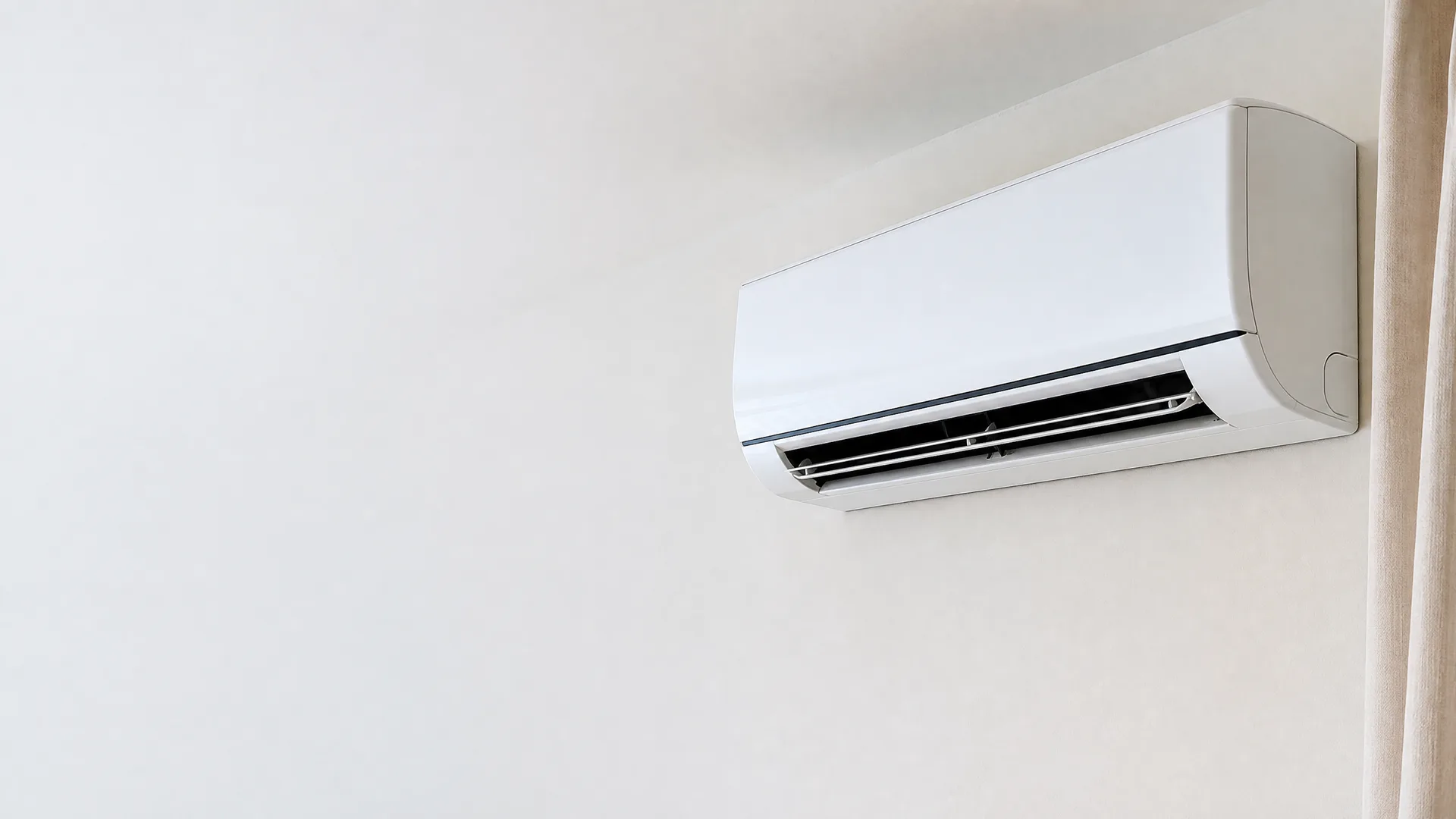
What the refrigerant charge tells you
A mini split is built to run with a specific refrigerant charge, set by the line length between the indoor head and the outdoor unit. Too little charge and the system cools less with each pass of air, running longer to hit the same temperature. A contractor checks this with gauges, not by guessing from how the air feels, since a system can still blow air that feels cool while running well under its rated charge.
Why does the bedroom unit run all day and barely keep up?
You notice it first in the room you use most. The unit's running, the fan sounds normal, but the air coming out isn't as cold as it was a few weeks ago, and the room never quite gets to the temperature you set. Maybe there's a faint musty smell when it kicks on, or a thin line of water near the base of the indoor head that wasn't there before. None of this looks like an emergency. But a system that's quietly losing cooling power in June is the same system that can stop cooling altogether in August, right when a Texas afternoon needs it most, and right when a contractor's schedule is hardest to get on.

Pull and inspect the filter screen behind the front cover
Wash or replace the filter if it is caked with dust
Clean the indoor coil fins so air passes through freely
Clear the condensate drain line and check the pan drains


Get your mini split to the right pro

Fill out one form instead of calling around for a mini split tune-up.
There's no charge for the request.
One mini split or a bank of them
A single wall unit in a bedroom is a short job. One indoor head, one outdoor unit, filters pulled and washed, coils checked, drain line cleared, refrigerant charge tested. A contractor can get through it without much trouble, and the system either checks out clean or it doesn't. A multi-zone setup, several indoor heads tied to one outdoor condenser, takes longer because each head gets its own filter and coil check even though they share the same outdoor unit and line set. More heads means more chances one of them is the one losing cooling, and the contractor has to find which.
Doing it yourself or calling someone in
You can pull the filter screen and rinse it off on your own. Most people who own a mini split already do that much. What you can't easily check is the refrigerant charge, because that takes gauges and knowing what the pressure should read for that unit and the temperature outside. You also can't see inside the outdoor coil the way a contractor can, or tell if the condensate pan is draining slow instead of not at all. Skipping that part means the system can look fine from the indoor side while it's already losing capacity where you can't see it.
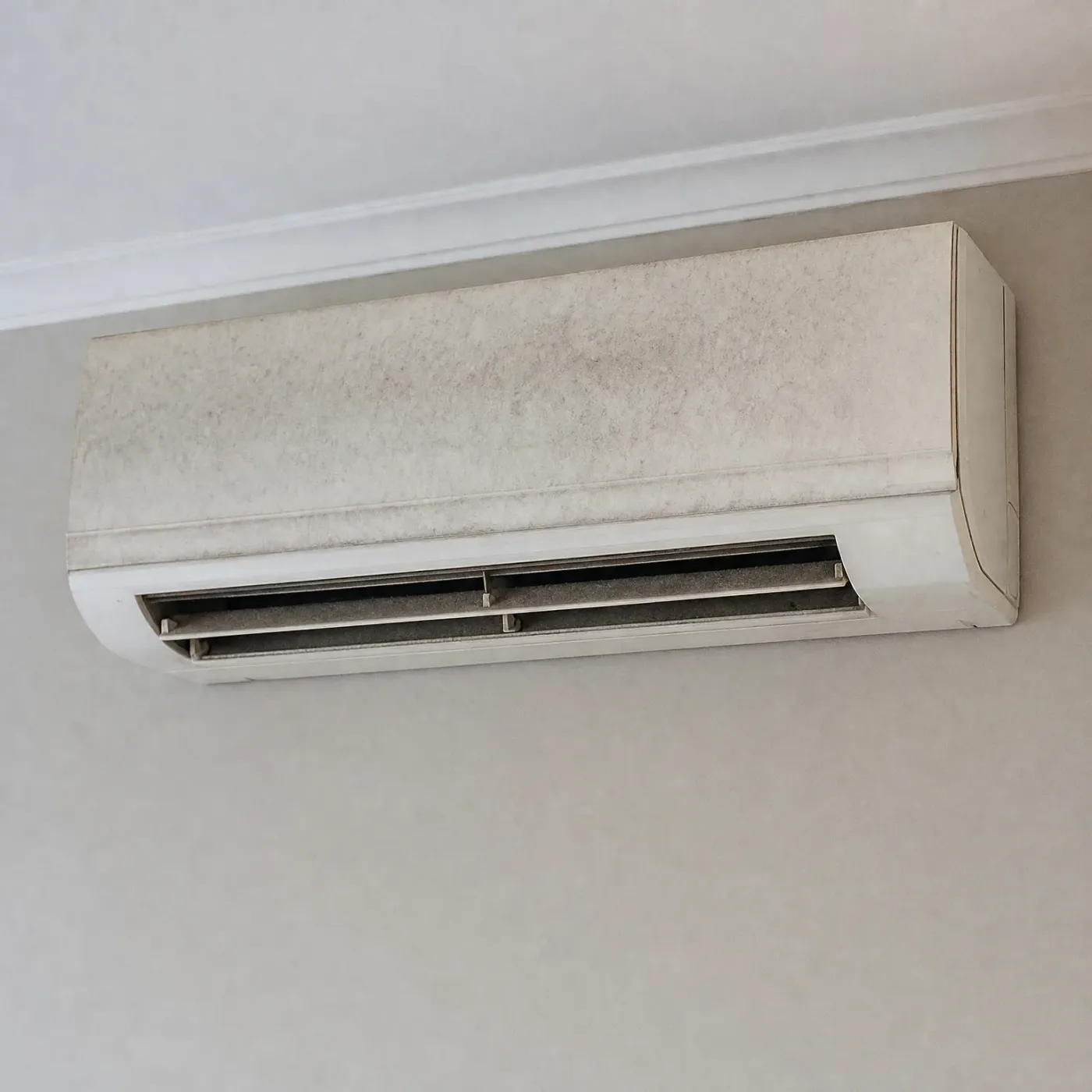


A dew point averaging 68°F across June, July and August is what the National Weather Service records for where homes sit in Texas. That's heavy air, thick enough that it carries real weight into any room. Your mini split isn't just cooling that air, it's pulling moisture out of it, and that moisture has to drain somewhere. Run the system for a summer at that dew point and the condensate line sees far more water than it would in a drier place. A line that's slow to clear backs up faster here, and you'll notice it as water around the indoor unit or a system that trips off on its own.
NASA POWER T2MDEW county cells weighted by homes
Power costs 15.40 cents per kilowatt-hour statewide
At 15.40 cents per kilowatt-hour, every hour your mini split spends straining through a dirty coil or a weak charge shows up on the bill. A unit running clean moves the same cool air for less, which matters most in July and August when it barely shuts off.
EIA-861 2025 statewide residential average

A tune-up catches the small problems before they become the big ones
A filter you wash, a drain line you clear, a refrigerant charge you check before the heat sets in. That's what keeps a mini split running the way it did on install day, and it's the whole point of getting it looked at before July asks too much of it. None of it is complicated work, but it's the kind that gets missed when nobody's checking, and a mini split doesn't give much warning before it starts losing ground.
You don't have to find who does this work or sort through quotes to get someone out to look at your system. Once you request service, a contractor who handles mini splits gets matched to what you've described and reaches out to you directly. No calling around, no explaining the same problem three times to three different people. You tell the page what's going on with your unit once, and the next conversation is with someone who already knows.


Mini Split Maintenance
The right pro for this job

- Say what's going on with your mini split, and a pro who works on them reaches out.
- A local pro who knows mini splits gets your details and gets in touch.

- Send the form, and lining up the mini split tune-up stops being yours to chase.
- Send the request and finding a pro stops being your problem.

- One form replaces the calls you'd make to find a mini split pro.
- Skip calling around to set up a mini split tune-up.

- A licensed local pro takes the request for your mini split tune-up.
- The pro who reaches out is licensed in Texas.