

Mini split not heating in Brownsville, TX
Explain the mini split problem once instead of to every shop in Cameron County.
Skip the callsWhy is my mini split not heating in Brownsville?
Mild winters here mean a mini split usually carries the whole house instead of backing up a furnace, so when it blows cool or room temperature air on a cold morning, it stands out fast. Most of the time the unit still runs and the fan still comes on, which makes the problem harder to place. You want to know whether this is something simple or whether the system needs a qualified hand before the next cold snap.
Usually a frozen coil, a low refrigerant charge, or the unit stuck in the wrong mode
A mini split makes heat by pulling it from the outside air, and that only works if the outdoor unit can actually move refrigerant and air properly. A frozen coil blocks that exchange, and low refrigerant does the same thing from the inside. Sometimes the fix is simpler: the remote is set to fan or dry mode instead of heat, or the outdoor unit is caked with leaves and debris. Winters in Cameron County don't get cold enough to strain a mini split the way a hard freeze up north would, so when one stops heating here, it's rarely the system being overworked. It usually points to a specific fault that needs a technician to find and correct.
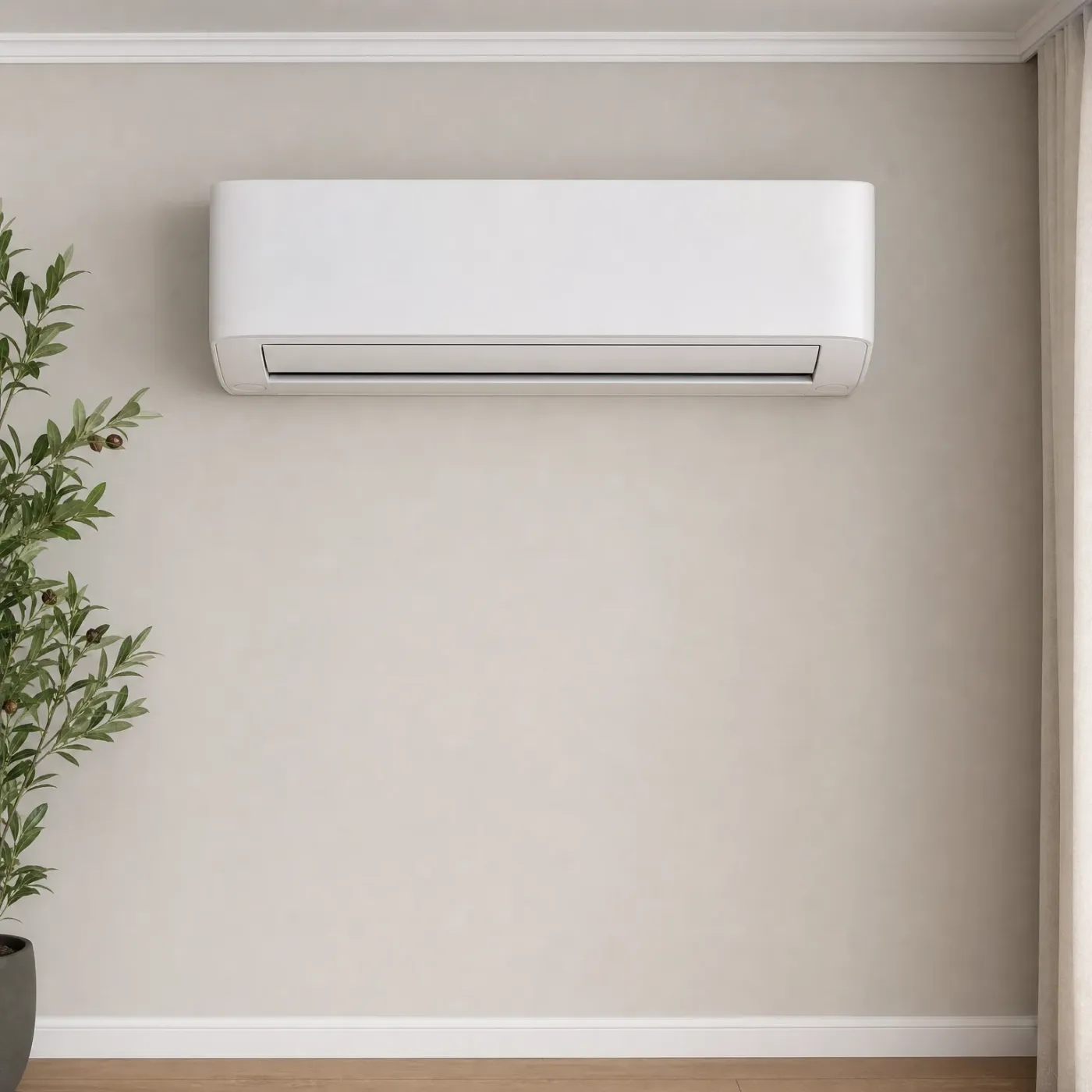
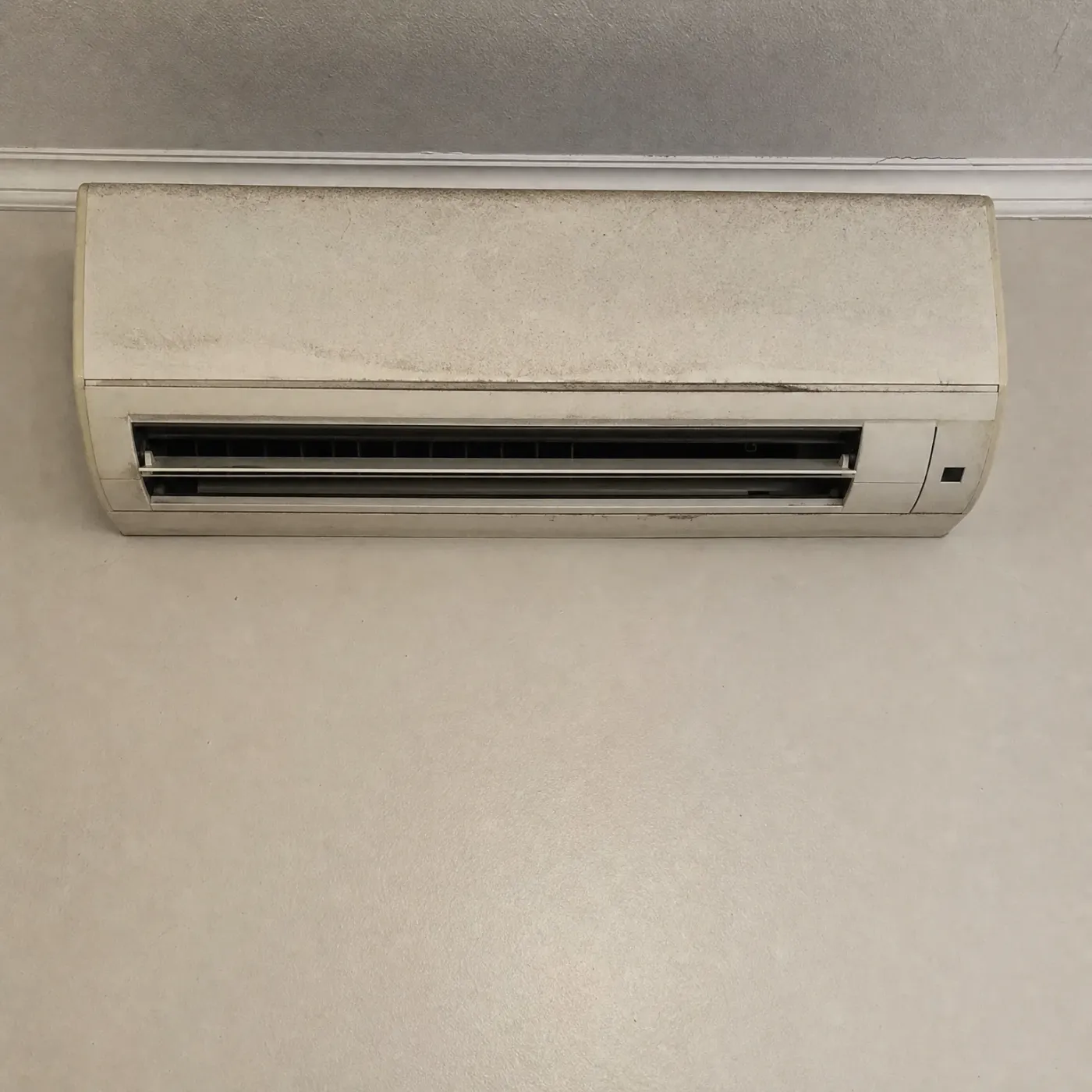
What does your mini split actually have to do here?
Cooling runs February through November
Cooling runs February through November. Your mini split spends most of the year moving heat out of the house, so when it's finally asked to move heat in, any weak part gets found out fast.
Heat runs December through January
Heat runs December through January. Two months a year is a short stretch for a repair tech to see heating calls, which is why it matters to get someone who checks the reversing valve and not just the filter.
Power here costs 14.13 cents per kilowatt-hour
Power here costs 14.13 cents per kilowatt-hour. A mini split that's struggling to heat still draws power trying, so a repair that fixes it pays you back every month it's cold.
NOAA nClimDiv 1991-2020 · EIA-861 2025
How a mini split makes heat
- A mini split heats by reversing the refrigerant cycle, pulling heat from the outside air and releasing it inside through the indoor coil.
- The reversing valve is the part that switches the system between cooling and heating, and a stuck valve is a common reason a unit blows cold air in heating mode.
- The outdoor unit has to pull heat from the air itself, so a coil blocked with dirt or debris cuts into how much heat it can gather even on a mild Brownsville morning.
- A low refrigerant charge shows up worse in heating than cooling, because the system has less margin to work with when it's moving heat the harder direction.
- The defrost cycle briefly reverses the system back to cooling to clear frost off the outdoor coil, and a defrost control that misfires can leave the unit stuck blowing cool air.
- The indoor fan is set to delay until the coil warms up, so warm air that never arrives after a few minutes points to a heating cycle that isn't completing.
A mini split doesn't make heat the way a furnace does. It moves heat that's already in the outside air into the house, by running the refrigerant cycle in reverse. That reversal happens at the reversing valve, and it's a part that can stick in one position, usually cooling, which is why a unit can run all day and never actually warm the room. Everything downstream depends on that valve switching cleanly.
Once it does switch, the outdoor unit has to pull heat from the air outside, which means its coil needs to be clean. Dirt or leaves packed across it cut into how much heat it can gather, even on a mild morning here. Refrigerant charge matters more in heating than in cooling too. There's less room for error when the system is working the harder direction, so a charge that's a little low might not show up in summer but will in winter.
There's also the defrost cycle to account for. The outdoor coil can frost over in cold, damp air, so the system periodically reverses itself back to cooling for a few minutes to melt it off before switching back to heat. A defrost control that misfires can leave the unit stuck in that cooling step. And the indoor fan is built to wait until the coil actually warms up before it blows air into the room. If you're standing there after a few minutes with still no warm air, the heating cycle started but didn't finish.
No calling every shop in Cameron County

A licensed pro who repairs mini splits in Cameron County gets your request.
No fee to send it, and nothing to sign.
A cold morning in Brownsville doesn't last long, but when it hits and your mini split won't heat, you feel it right away since there's no furnace backing it up. You'll notice the room never gets past room temperature, or the indoor unit runs without putting out any warmth at all. With a stuck reversing valve or a dirty coil losing heat output, the unit may keep running and keep drawing power while doing little for the room, which shows up on your electric bill even though you're not getting warm air out of it. Since most homes here lean on the mini split for both seasons, a unit that won't heat in December or January often points to something worth checking before summer, since the same reversing valve and coil are doing the work when it switches back to cooling in February. Left alone, a part that's failing in heating mode doesn't usually fix itself by spring.


On a cold morning, frost builds on the outdoor coil before the unit ever gets warm indoors. The system has to clear that frost before it can keep pulling heat from the air, so it stops and runs a defrost cycle. The outdoor fan shuts off, and inside you might feel cool air or nothing at all for a few minutes. That part is normal. A thermistor mounted near the outdoor coil is what tells the system when frost has built up enough to start defrost, and when it's clear enough to stop. If that sensor reads wrong, the unit can defrost too often, or run with ice still on the coil, and either way you get less heat. Low refrigerant charge pushes the coil colder than it should run, which brings on defrost more than it needs to happen. A coil caked with dirt causes the same problem, since it blocks the airflow the system needs to draw heat out of the air in the first place. Even with everything working right, the compressor needs a few minutes after startup before the indoor coil feels warm to the hand.
Why it pauses before it heats
- Defrost mode runs when the outdoor coil ices up in the cold, pausing heat indoors for a few minutes while it clears.
- During defrost the outdoor fan stops and the indoor unit may blow cool air or no air at all for a short stretch.
- A thermistor near the outdoor coil tells the system when to start and end defrost, and a bad sensor can get the timing wrong.
- Low refrigerant charge makes the outdoor coil run colder than it should, which can trigger defrost cycles more often than normal.
- The compressor has to ramp up before the indoor coil feels warm, so heat takes a few minutes to show up after startup.
- A dirty outdoor coil blocks the airflow the system needs to pull heat from outside, so it defrosts more and heats less.




Why the outdoor unit matters most
Heat has to come from somewhere, and in heating mode your mini split is pulling it out of the outside air, even when that air feels too cold to give up much. The outdoor unit does the harder half of the job. Its coil has to stay clean and clear for the refrigerant to pick up heat, and its fan has to keep moving air across that coil the whole time the system runs. If the outdoor unit is blocked by leaves, covered in ice that won't clear, or sitting too close to a fence or wall, heating output drops no matter how new or well-maintained the indoor head is. A tech checking a no-heat call starts outside, not in.
Short cycling wastes the mild weather
Brownsville winters rarely push a mini split hard, and that's usually a point in the system's favor, not against it. A unit sized right for your house should run long, steady stretches in mild cold rather than switching on and off every few minutes. Short cycling like that doesn't just waste power. It means the compressor never gets the system up to full heat before shutting down, so the air coming out stays lukewarm and the room temperature drifts. A low refrigerant charge, a failing sensor, or a thermostat reading the room wrong can all cause it, and each one points a tech toward a different fix.
Cooling runs February through November
Ten months of that cooling work means your mini split rests on heating for only a short stretch each year. A part that's been slipping for months, like a weak reversing valve or a low charge, often doesn't show itself until that first cold morning calls for heat.
NOAA nClimDiv 1991-2020
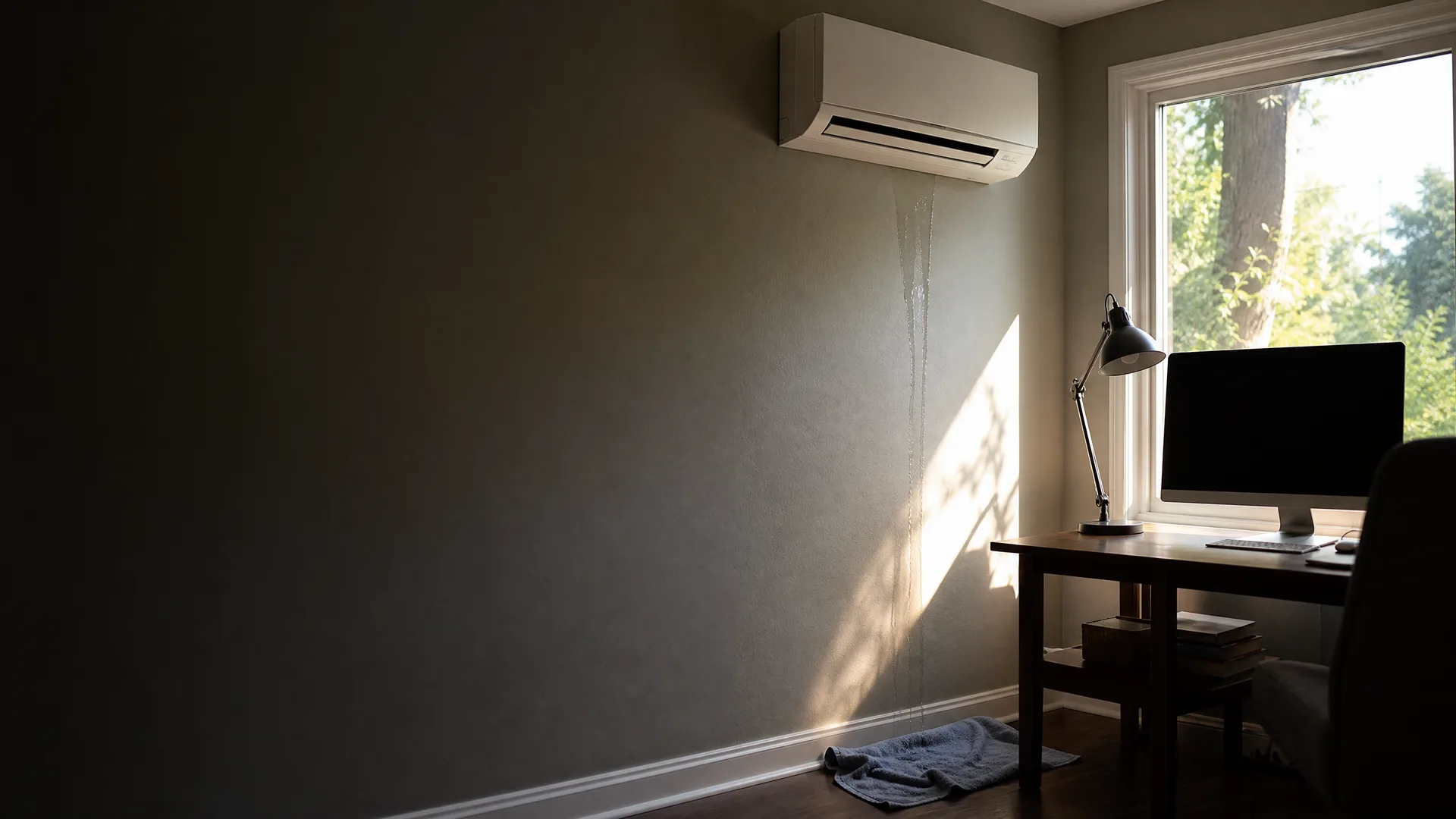
You're at your desk on a warm afternoon, laptop open, when you notice the wall under the indoor unit looks dark. You get up and find a wet streak running down the drywall, already pooling at the baseboard. You grab a towel and press it against the wall, then look up at the unit itself, still running, still blowing air into the room. Outside it's the kind of Cameron County afternoon where the heat never really lets up, so the mini split has been working the whole time you've been sitting here. You stand there with the wet towel in your hand, not sure yet if it's the drain line or something inside the unit, just watching the wall to see if the streak keeps spreading.

Where that leaves you
If your mini split isn't heating, the cause usually sits in one of a few places: the reversing valve, the outdoor coil, the charge, or a thermistor that's got the defrost cycle confused. A tech who works on these year-round in Brownsville has seen each of those fail and knows which one to check first.
Finding that tech is the part you can skip. Instead of searching around, calling a few places, and explaining the same problem three times while you compare quotes, you get matched with one licensed local contractor who already knows what a short, mild winter does to a system that spends most of its year cooling. You call once, you explain it once, and you're talking to someone qualified to fix it.

No phone calls to make