Running the way it should
Air moves out of the head and you can feel it change the room within a few minutes. The coil behind that clean casing is shedding heat the way it's built to, and the compressor outside isn't straining to keep up.

A mini split that runs but doesn't cool is usually low on refrigerant or losing the fight against a dirty outdoor coil. Check the outdoor unit first. If the fins are packed with cottonwood seed or mowing dust, the coil can't shed heat and the indoor head blows warm or barely cool air even though the fan runs fine. If the coil looks clean, the next suspect is a slow refrigerant leak at a line set fitting, which shows up as the system running longer and longer for less cooling, not a sudden stop. A frozen indoor coil behind the filter does the same thing and often means airflow or charge trouble underneath. With Waco summers running long and muggy, a mini split that's low on charge or fighting a dirty coil falls further behind every week it goes unfixed, since it has to work through more hot, humid hours before the weather gives it a break. That makes this worth sorting out before it quits altogether.
Cooling runs May through October
Six months of cooling means a struggling mini split is working against the heat nearly every week between May and October.
Heat runs November through March
Five months of heat still falls on that same system, so a unit that can't keep up gets no real break to recover.
Power here costs 16.93 cents per kilowatt-hour
At 16.93 cents per kilowatt-hour, a mini split running long hours to chase a dirty coil or low charge shows up fast on the bill.
NOAA nClimDiv 1991-2020 · EIA-861 2025




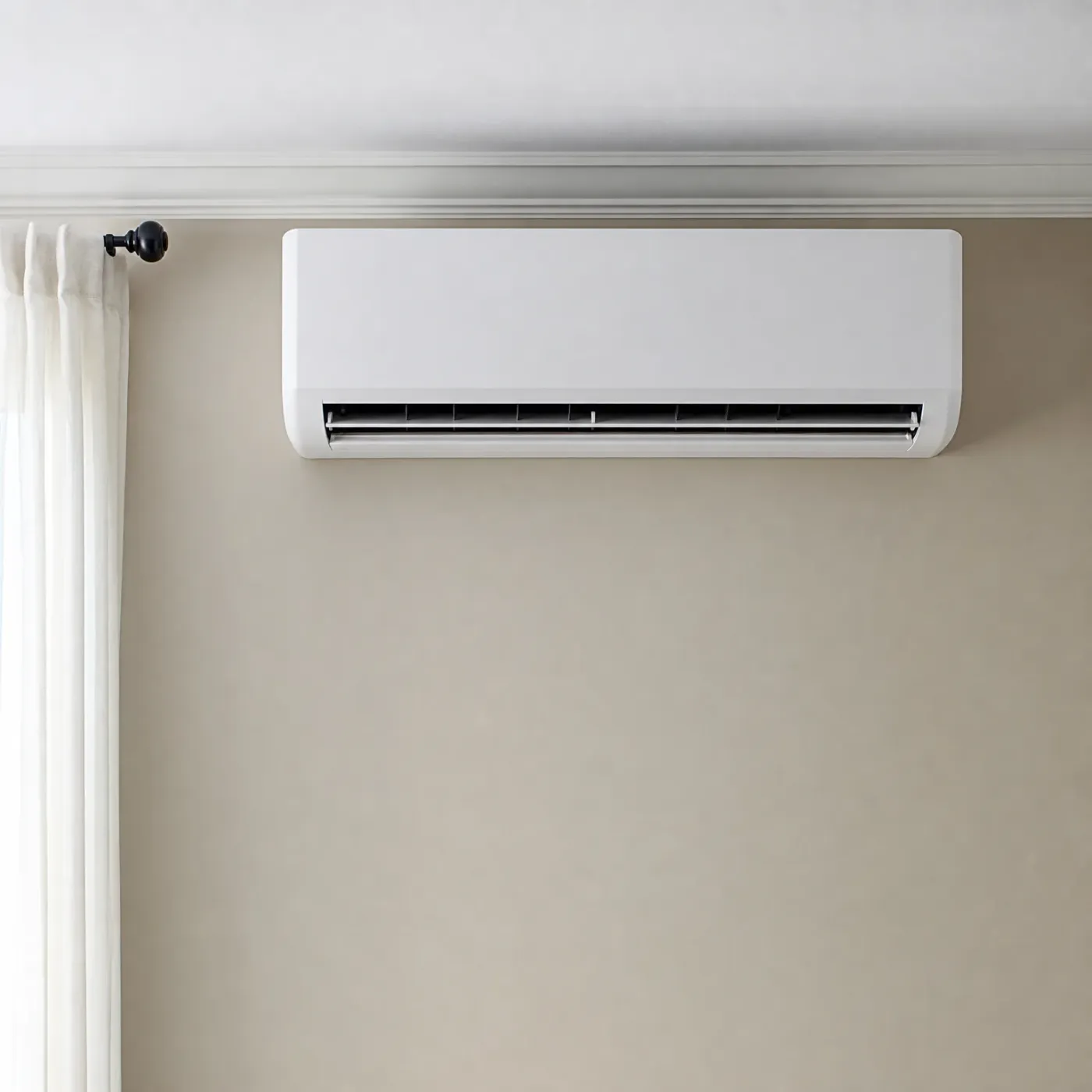
Air moves out of the head and you can feel it change the room within a few minutes. The coil behind that clean casing is shedding heat the way it's built to, and the compressor outside isn't straining to keep up.
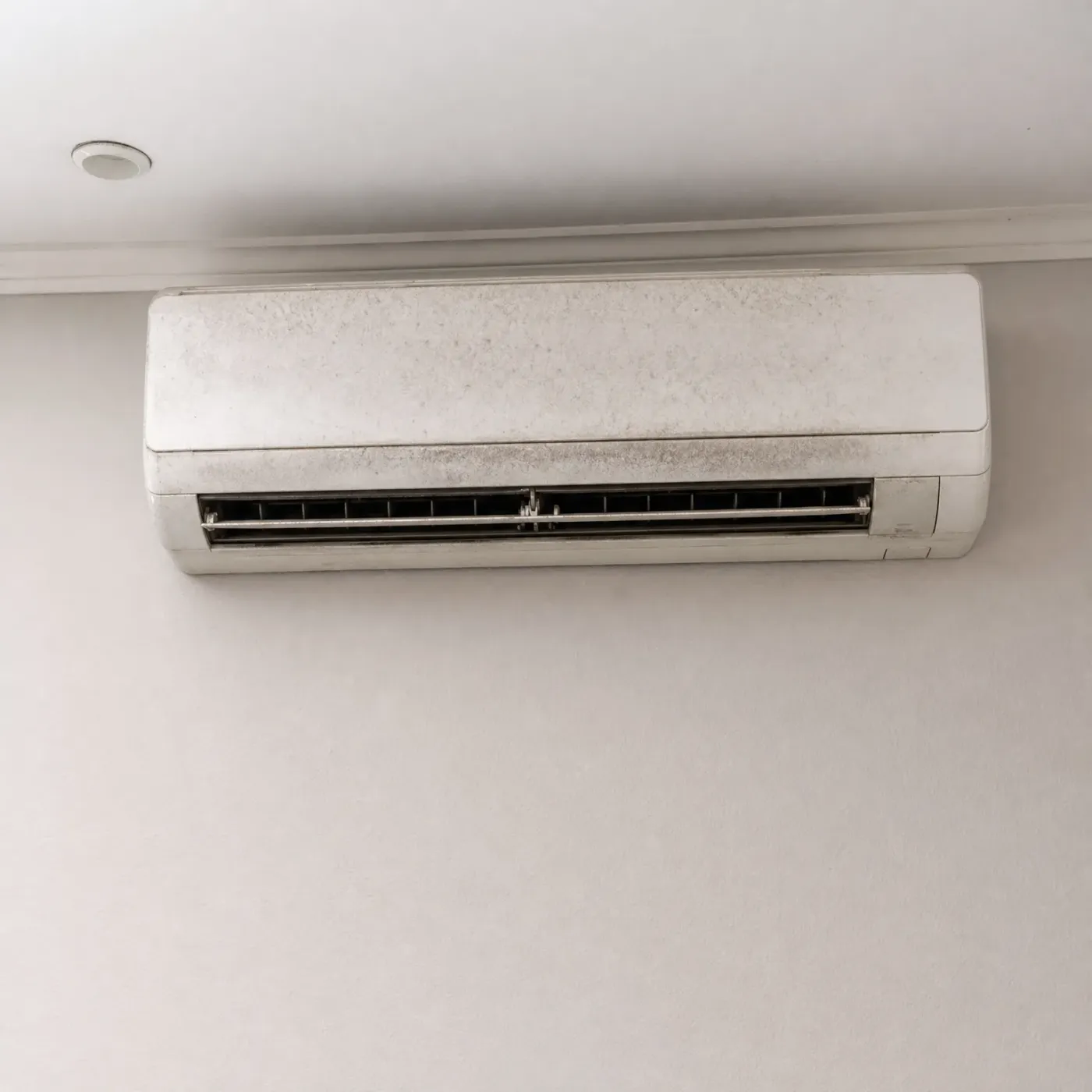
The fan still turns and the unit still sounds normal, but the grime built up across the casing points to a coil that's just as dirty on the inside. A coil caked like this can't pull heat out of the air, so the room stays warm no matter how long it runs.
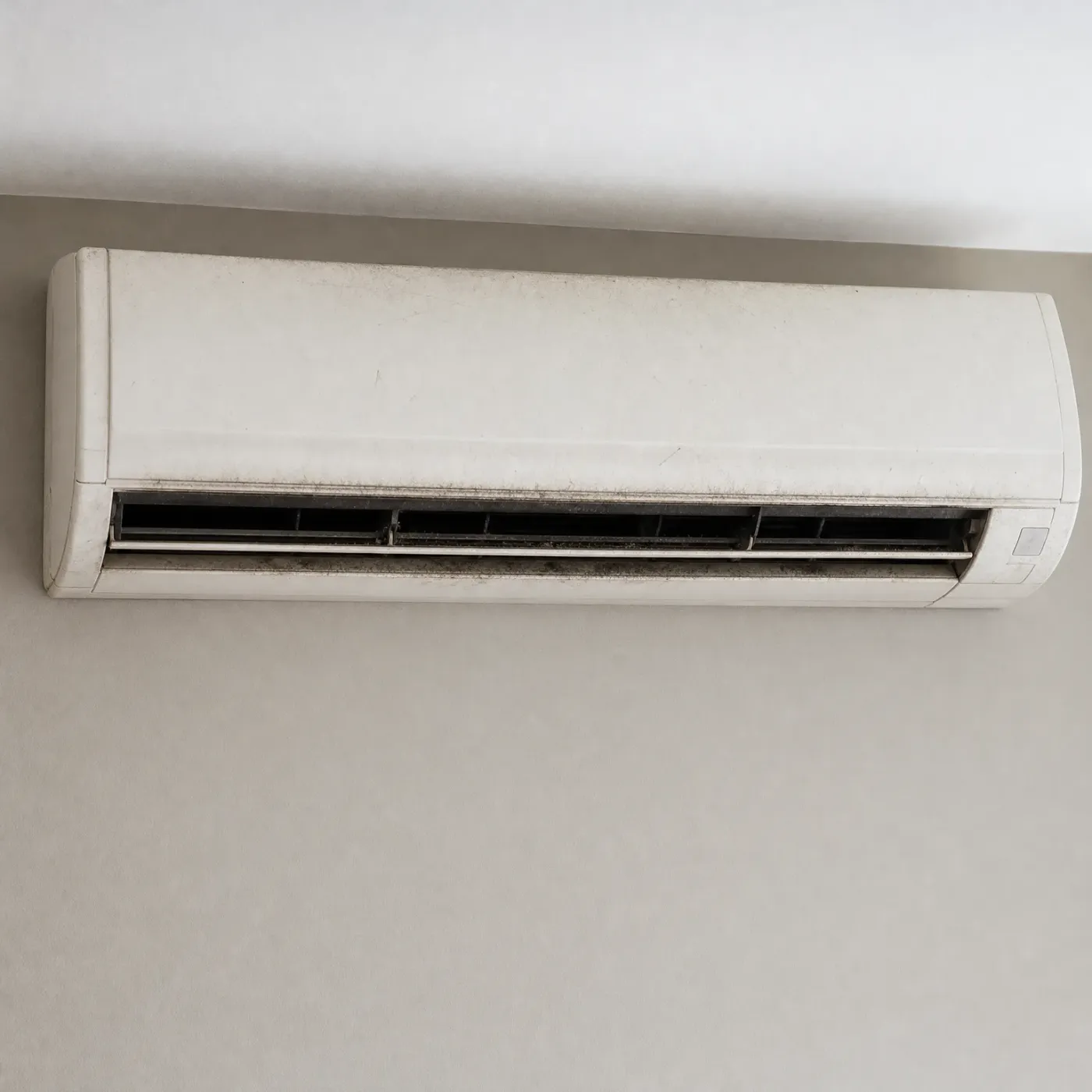
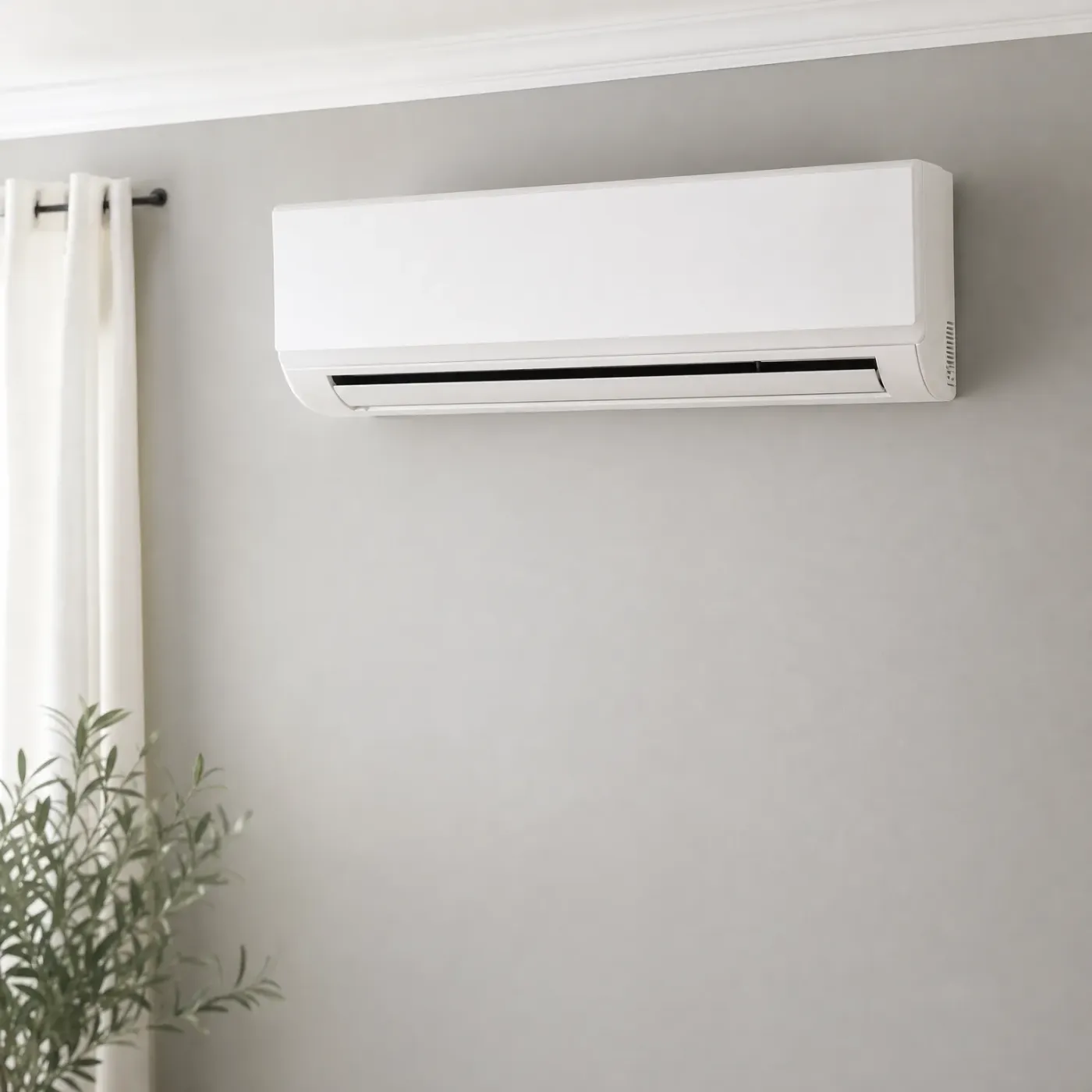
The outdoor coil is where the heat your house pulls out has to go. Refrigerant inside it is hot and needs to shed that heat to the outside air. Cottonwood seed, grass clippings, and plain dust sit in the fins and block that exchange. The coil stays hotter than it should, the system works harder to move the same heat, and the indoor head ends up blowing air that feels closer to room temperature than to cold. Nothing inside the unit has to fail for this to happen. A coil that looks packed from across the yard is usually enough on its own.
A mini split doesn't use up refrigerant the way a car uses gas. It runs on a sealed charge that's supposed to stay the same for the life of the system. If the level is low, something let it out, usually a small leak at a fitting or a line. Less refrigerant means less heat the system can carry out of your house per cycle, so the head runs and runs without the room catching up. This one doesn't fix itself with a hose and a brush. Finding the leak and bringing the charge back to spec takes gauges and a licensed hand.


A mini split that's lost its charge or has a compressor on its way out isn't something you fix with a hose and a Saturday. That takes gauges, a leak check, and someone who's pulled apart enough of these units around Waco to know whether the problem is the line set, the compressor, or a board that's failing. Those calls get harder to make the longer the heat sits on a house, and McLennan County summers don't leave much room to wait one out. A local contractor who works on this equipment all season has seen what usually goes wrong in houses like yours and can tell you straight whether it's worth repairing. Send the request and that search becomes someone else's job. You keep living in your house while it gets handled, instead of spending another week deciding who to call while the indoor head blows warm air into a room that isn't cooling down.
Refrigerant inside the indoor coil pulls heat from room air
That heat moves through the line set to the outdoor unit
The outdoor coil releases the heat into the outside air
The compressor keeps refrigerant cycling between both coils
The air coming out of the head feels like room temperature, or close to it, even with the unit set low and running. The room cools a little right after you turn it on, then stalls and starts creeping back up by afternoon. You might hear the compressor outside cycling on and off more than it used to, or running steady without the house ever catching up. Some rooms feel fine while the one with the mini split stays warm and sticky. Left alone through a Waco summer, a unit working this hard can run for hours without actually drying the air out, and the compressor straining against a dirty coil or a low charge tends to wear out sooner, not later.

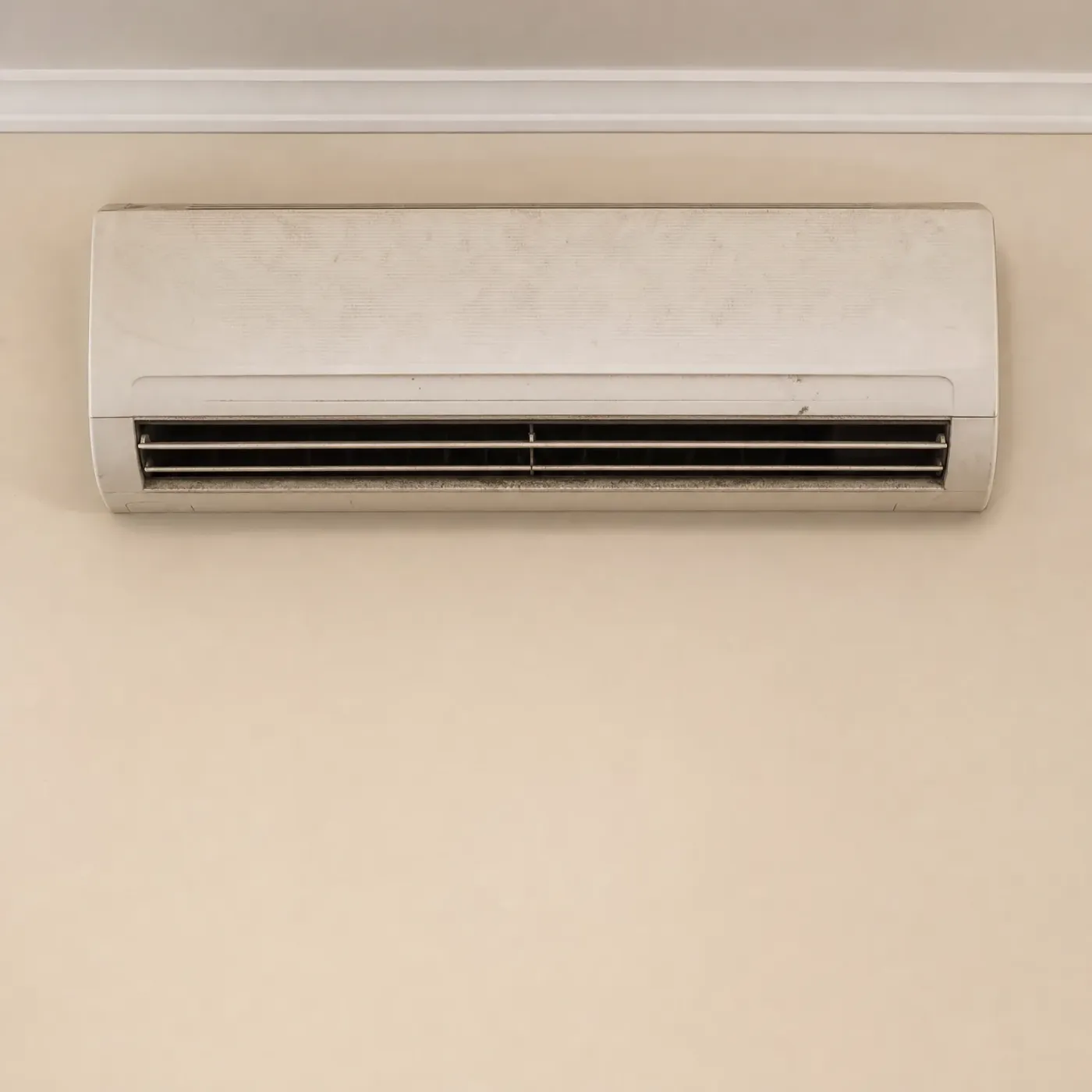
You came here because the mini split runs and the room stays warm. That almost always means one of two things. Either the outdoor coil is caked with cottonwood seed or dust and can't shed heat, or the system has lost refrigerant or the compressor is wearing out. The coil you can check yourself with a hose and a brush. The charge and the compressor are a different job, one that needs gauges and someone who knows what a leak check on this kind of unit actually involves.
That's where a contractor who works on mini splits around Waco year-round earns their keep. They've seen what the heat and the cottonwood season do to these units here, and they know which of the two problems tends to show up first, so they're not guessing when the panel comes off. Send one request and one licensed local contractor takes a look, not three or four companies competing for the callback. That matters more in a county where the system runs through a six-month summer and still has five months of winter heat to carry. A unit that's struggling in July is going to struggle again in January.
Once the actual cause is in front of you, the fix tends to be straightforward. A clean coil or a correct charge brings the air back down fast. You don't need to know which one it is before you ask. You just need someone local who's opened up enough of these units to tell you.





Your request stays with one local pro.
It costs nothing to send, and you don't have to hire anyone.