


Water shows up at the indoor unit
A clogged drain line or full pan usually drips near the unit itself or runs down the wall right below it, often leaving a stain first.
Water dripping from your mini split or pooling on the floor below it is worth getting looked at before it stains a wall or warps your floor. In a place where that unit runs most months of the year, a clogged drain line or a dirty coil has plenty of chances to turn into a steady leak. Corpus Christi and the rest of Nueces County keep mini split techs busy with exactly this kind of call, and a local contractor will have seen your unit's brand and installation more than once. Answer a few questions about your system and what you've noticed, and you'll be matched with one licensed contractor who works in your area, not a handful competing for your business. They'll reach out directly to go over what you're seeing and figure out next steps from there.
Most of the time, water from a mini split means the condensate drain line is clogged. The indoor unit pulls moisture out of the air and that water is supposed to run out through a small drain line and away from the house. Algae and dust build up inside that line over months of steady use and eventually block it, so the water backs up and spills out of the unit instead, usually from the front or along the bottom. A dirty air filter can cause the same thing, because it lets the coil behind it ice up, then thaw and overflow the pan when the unit shuts off. Either way, the leak is not random. It is the system telling you something downstream of the coil cannot drain the way it is supposed to. Left alone, the water will keep finding the same path out, onto your floor or down your wall, until the line is cleared or the real cause is found.




Moisture in the air hits the cold indoor coil and condenses
Water collects in the drain pan beneath the coil
Water flows out through the condensate drain line to outside
A clog in the line backs water up into the pan
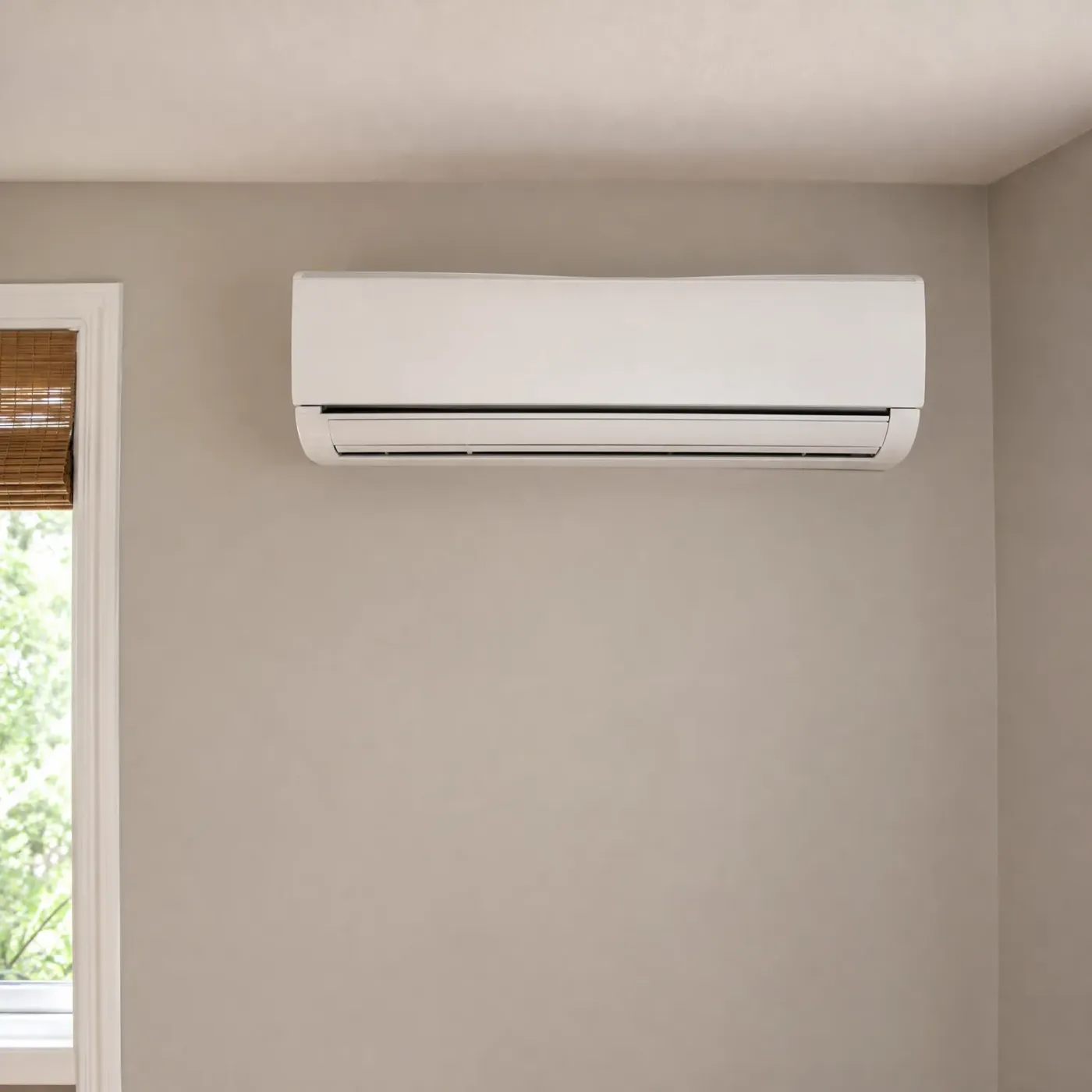
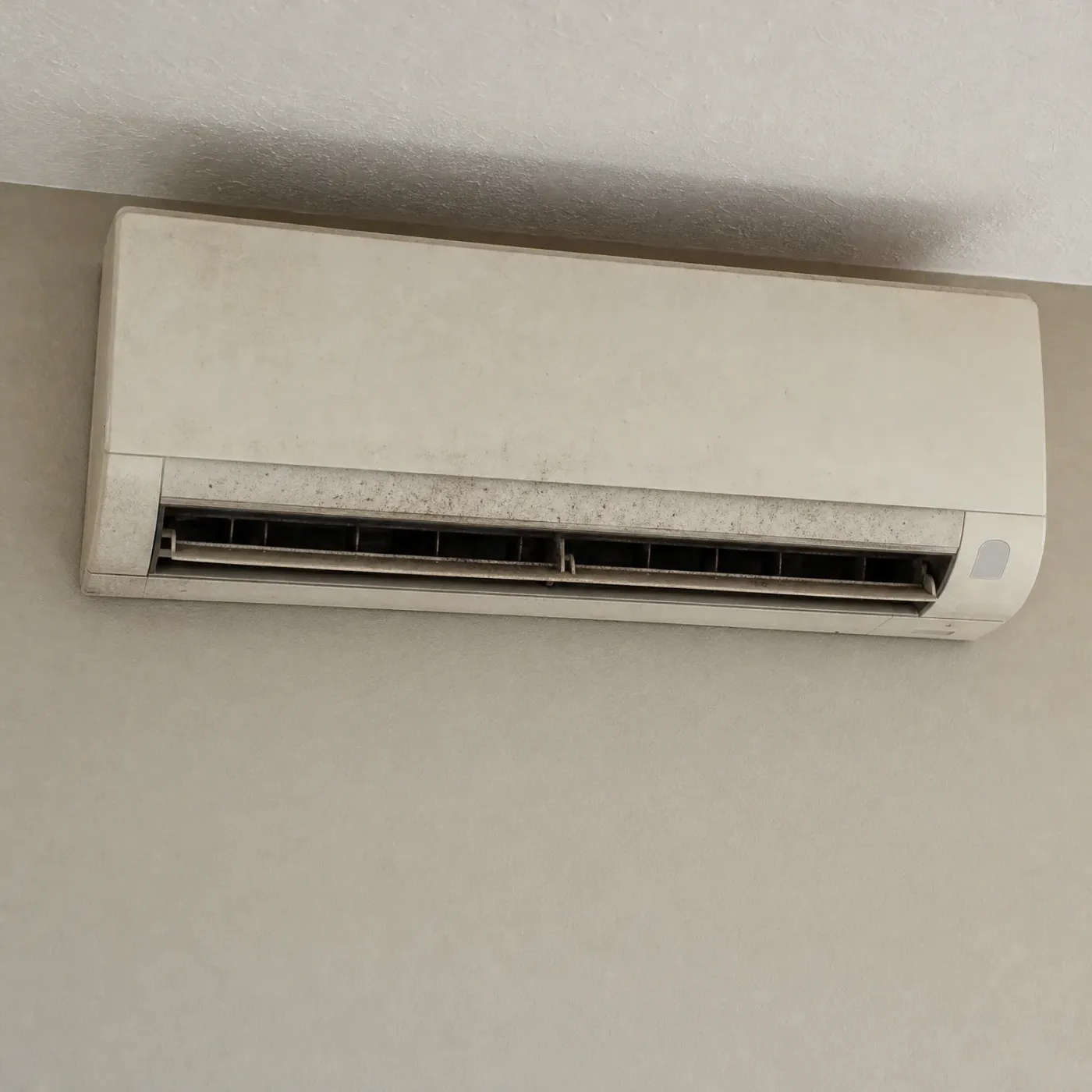
A mini split that leaks rarely stays a small problem in Nueces County, because the unit runs so many hours a day through the summer. Every hour it runs, the indoor coil pulls moisture out of the air, and that water needs somewhere to go. If the drain line is clogged or the pan is overflowing, that water goes into your house instead. A stain spreading across the ceiling or down the wall below the unit means this has already been happening for some time. It did not start this morning. If the unit sits above a wood or laminate floor, standing water gets into the seams and swells the boards before the leak itself is obvious. A musty smell near the indoor unit is worth noticing too, since it usually means algae is already established inside the drain line, not just dust. The longer a leak runs through a humid stretch, the more time mold has to take hold inside the wall or under the flooring, somewhere a short look cannot catch it. Some units have a float switch that shuts the system off when the pan backs up, which stops the leak but also means the unit cycles off and on more than it should, running longer to cool the same space. With what power costs here, that adds up before the actual clog ever gets cleared. None of this calls for tearing into the wall. It calls for someone looking at the drain line and the coil before the water decides where it goes next.
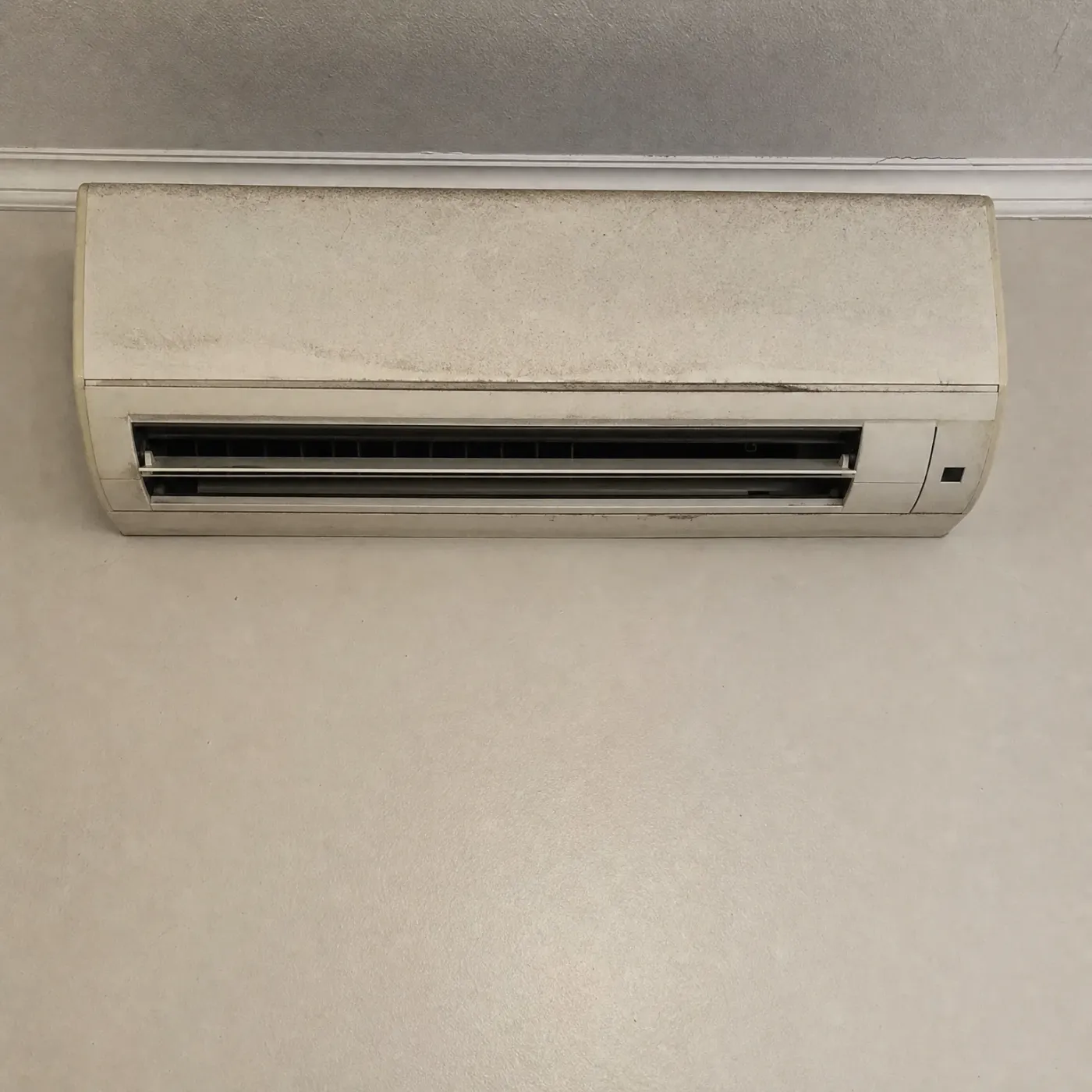
The pro who gets in touch is licensed in Texas and works in Nueces County.
There's no charge for the request.
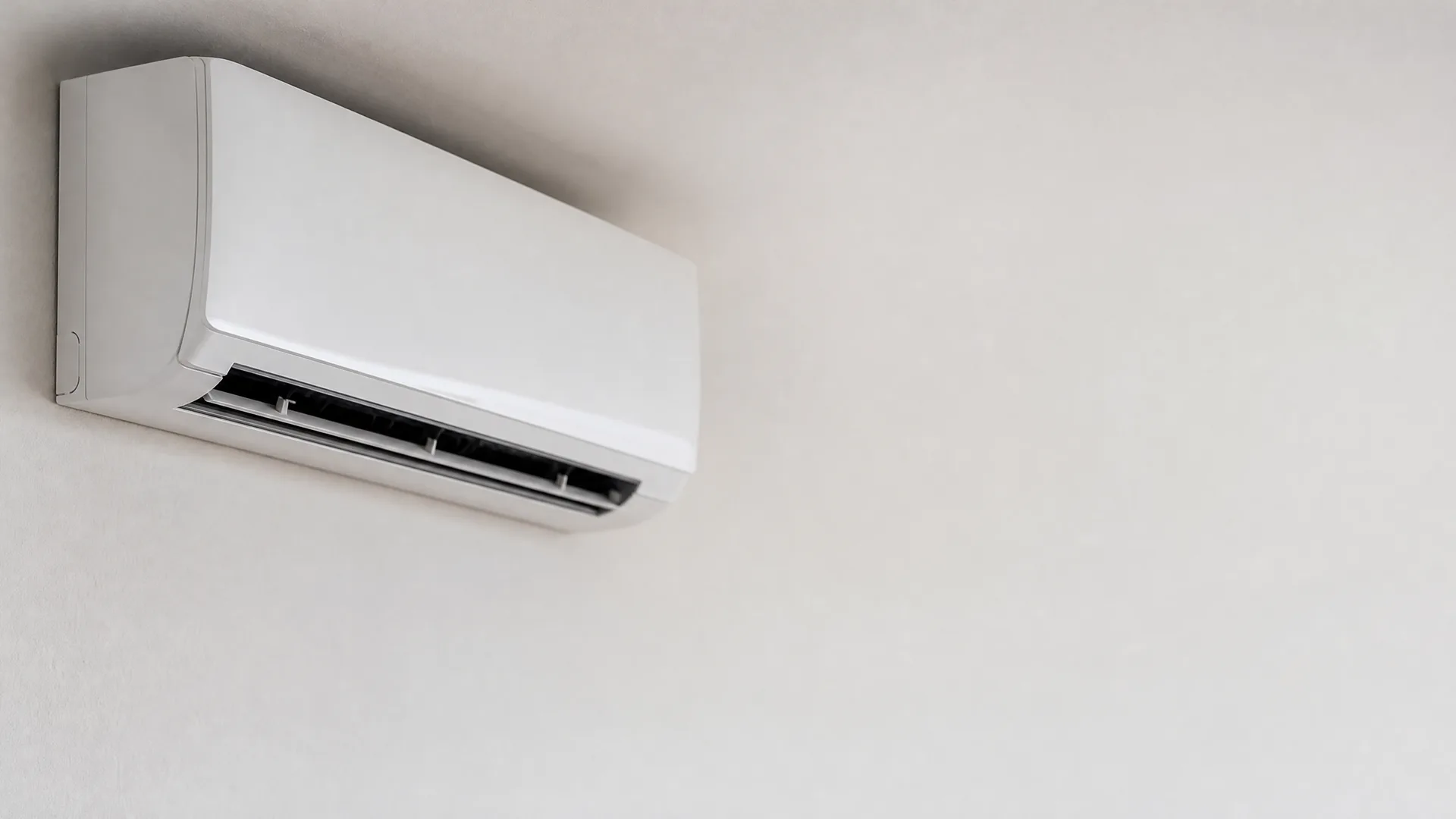
The drain pan under the indoor coil is shallow. It only has to back up a little before water spills over the front edge and runs down the wall or drips onto the floor below. In Corpus Christi, where the unit cycles on and off most days from spring through fall, that pan fills with condensate for hours at a stretch. A clog that would take weeks to cause trouble in a mild climate shows up here in days.
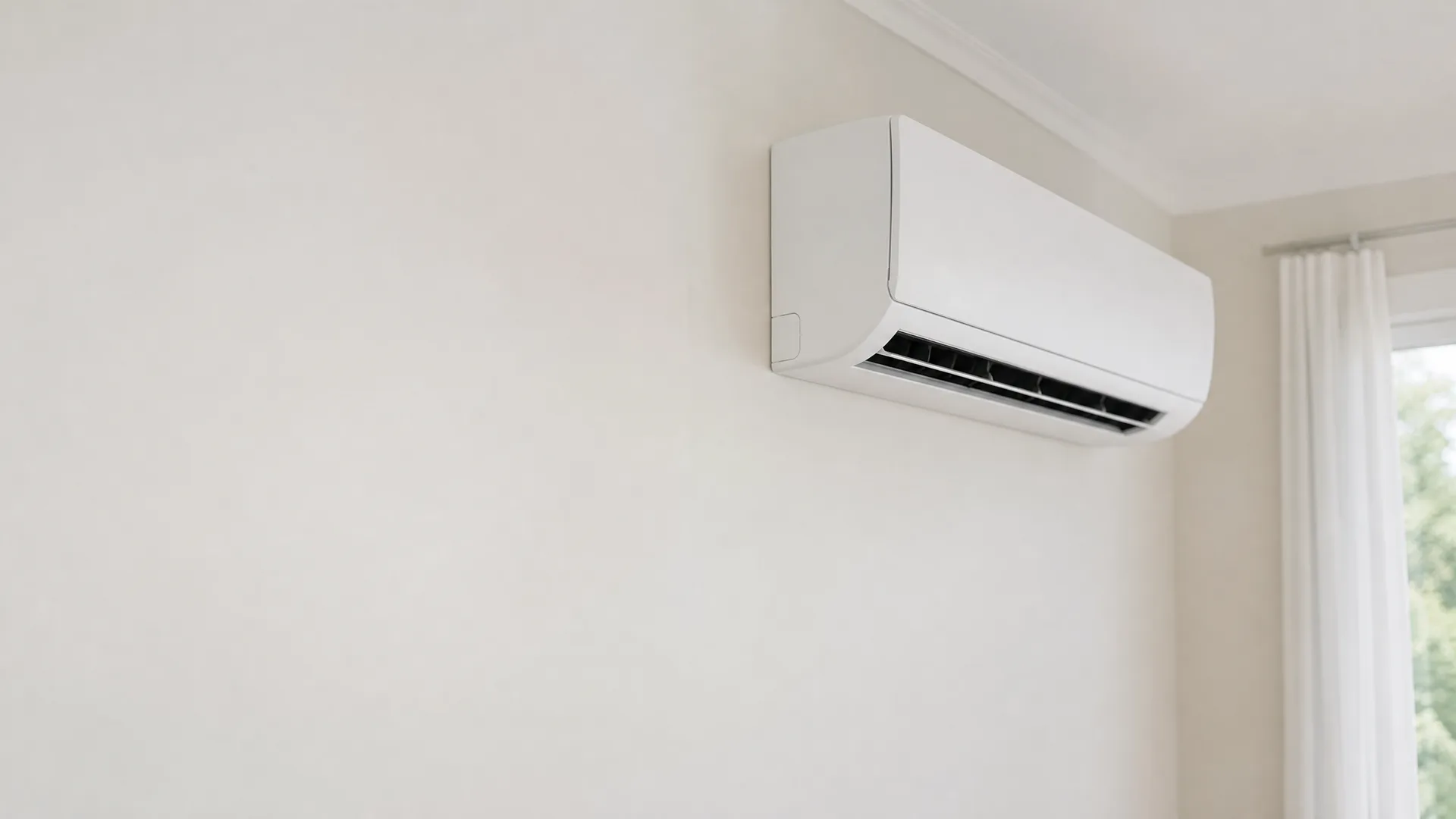
The condensate line only works if it keeps a steady downward slope from the indoor unit to wherever it drains outside. Where it dips or runs level for even a short stretch, water sits instead of moving, and that standing water is where algae takes hold fastest. A line that looks fine from the outside can still have a low spot hidden behind a wall or under a slab, which is why the clog sometimes comes back after it's cleared once.
Why does my mini split only leak when it's been running a while?
A mini split that only drips after running for a while almost always has a partial clog, not a full one. Early on, enough water still makes it out through the drain line that the pan stays ahead of it. Keep the unit running through a muggy Corpus Christi afternoon and the coil keeps condensing moisture faster than the narrowed line can clear it, so the pan slowly fills and spills over the front edge. This is also why the problem tends to show up worse on the days you run the unit longest, and why it can seem to go away overnight once the unit cycles off and the pan has time to drain down again.

The air here carries a lot of water in it. Through June, July and August, the dew point in Nueces County averages 74°F, the kind of muggy that sticks to you the moment you step outside. Your mini split is pulling that moisture out of the air all day long to keep the house comfortable, which means more condensation running through the drain line than a unit in a drier climate ever sees. More water through that line means a clog builds faster and shows up sooner. If yours already drips or pools after a hot stretch, that's the dew point at work, not just the heat. Source: NOAA climate normals, Nueces County, TX
NASA POWER T2MDEW


A clogged drain line or full pan usually drips near the unit itself or runs down the wall right below it, often leaving a stain first.
If it's pooling away from the wall, check for a cracked drain pan or loose line, which sends water further before it lands.
Nine months of cooling means nine months of condensate running through that drain line. From March through November, the line barely gets a break to stay clear on its own. Any buildup inside it just keeps adding up until it backs water into the pan.
NOAA nClimDiv 1991-2020

A dripping mini split almost always comes down to the drain line, the pan, or the coil behind the filter. None of those are mysteries. A contractor who works on these units all over Nueces County has seen the clog, the algae, and the dirty coil before, usually more than once this year alone.
Getting it looked at now means someone local, licensed, and familiar with how hard these units work in Corpus Christi humidity comes to your place and finds out which of the three it is. You'll hear from one contractor matched to your situation, not a handful of companies competing for the job.


A local pro for your mini split repair