
Running clear
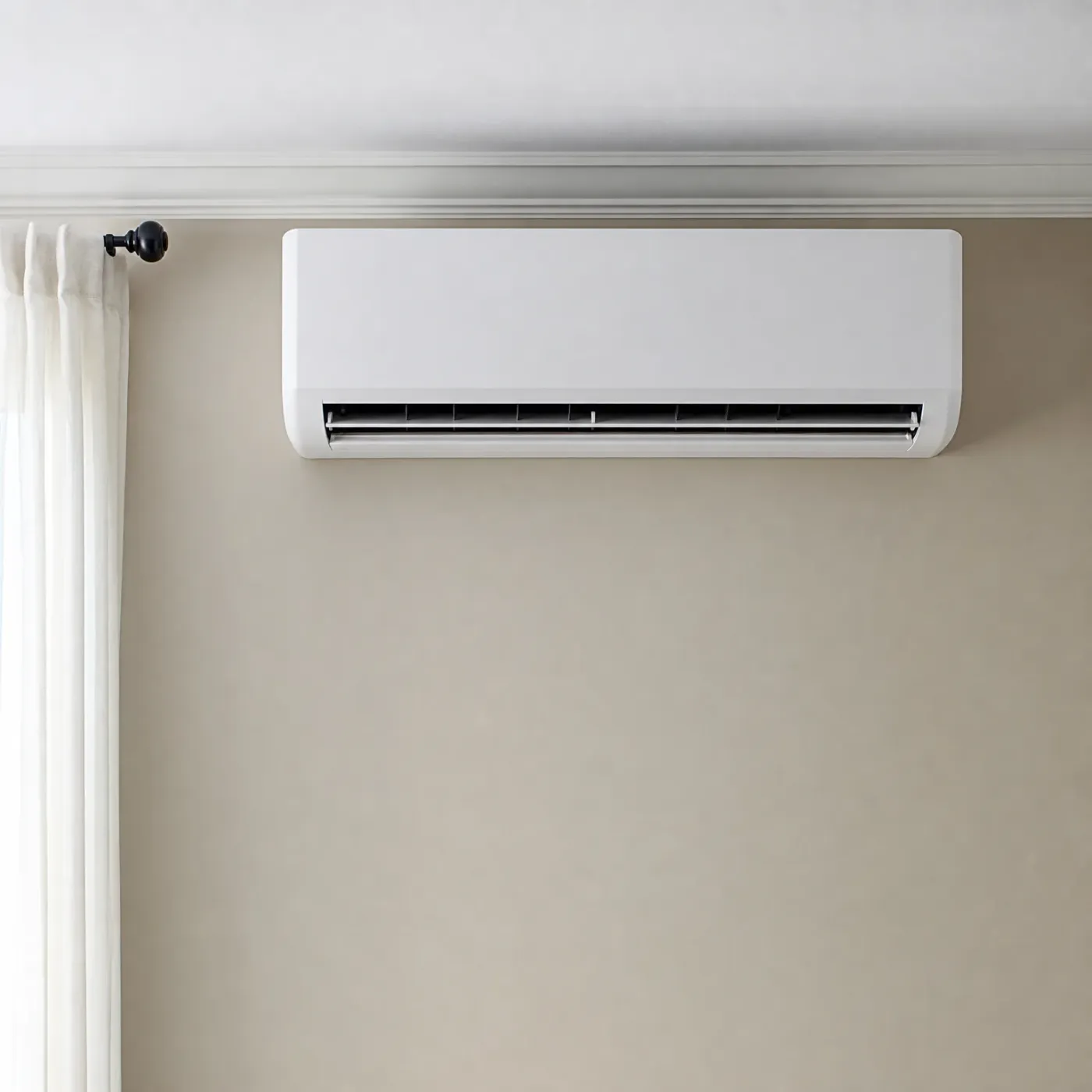
Air moves out of the vents and across the room. The coil inside stays cold enough to cool the air but not cold enough to frost. You can hold your hand under it and feel steady airflow, not a faint trickle.
Answer a few questions instead of calling shop after shop.
Start one formA mini split that's iced over the indoor coil, or blowing weak air with ice visible on the lines outside, usually still runs, which is confusing. The unit hasn't shut off, so it doesn't feel broken, but something is clearly wrong. With Sugar Land summers running long and muggy, a lot of mini splits end up working harder than most people realize, and that extra strain is usually what leads to ice forming where it shouldn't.
A frozen coil almost always traces back to one of two things: a dirty filter or coil blocking airflow, or a refrigerant charge that's lower than it should be. Either one lets the coil get too cold, and once ice starts forming, it builds on itself and makes the airflow problem worse. In Fort Bend County, where a mini split can run nearly nonstop through the summer months, a clogged filter gets dirty faster than it would with light use, and a slow refrigerant leak has more months to turn into a real problem. Running the unit while it's frozen won't clear the ice and can put strain on the compressor, so it needs to come off and the cause needs to get found.

A mini split cools by passing warm air over a cold coil. If airflow across that coil drops, the coil gets colder than it should, and moisture in the air freezes onto it instead of draining away as condensation. A dirty filter, a blocked return, or a fan running slower than it should will all choke that airflow. Once ice forms, it blocks even more air, so the problem feeds itself the longer the system keeps running.
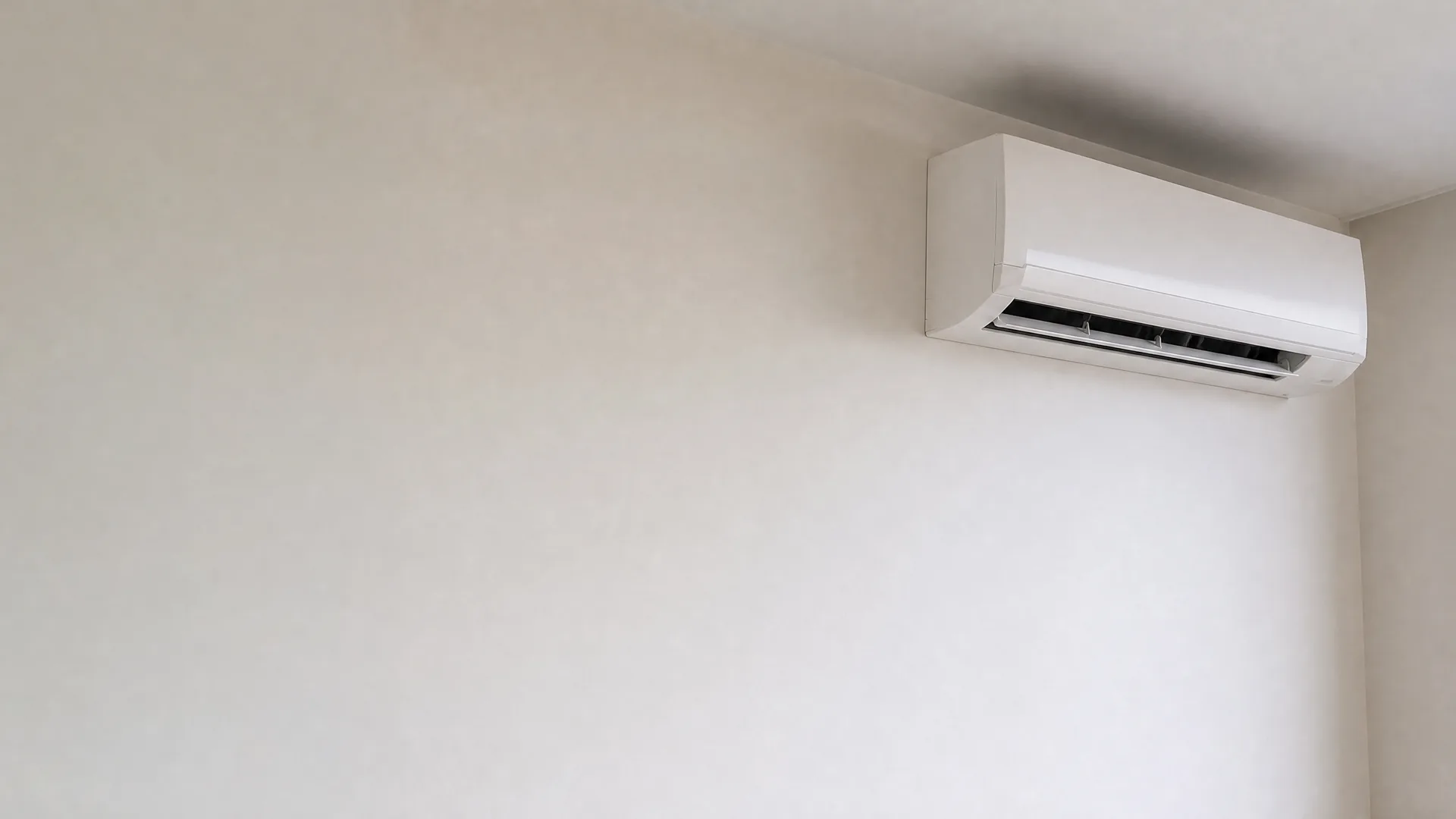
If the refrigerant charge is low, the same thing happens from a different cause. Low refrigerant drops the pressure in the coil below freezing, and ice builds even with good airflow. This is common in Fort Bend County summers, when a mini split runs for hours at a stretch. A unit that's low on charge has a leak somewhere in the line set, and that leak doesn't fix itself by adding refrigerant. It needs to be found and sealed.
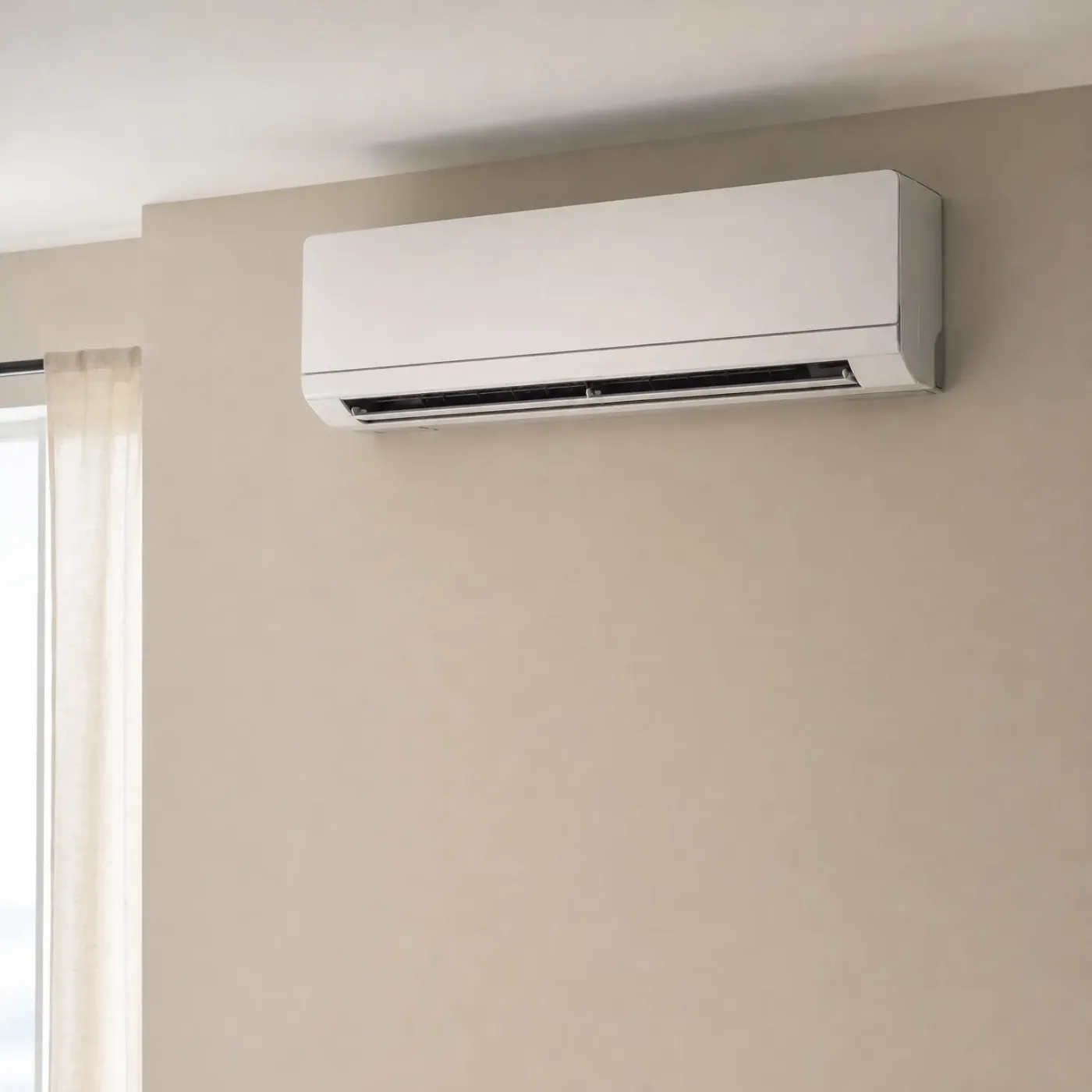
Air moves out of the vents and across the room. The coil inside stays cold enough to cool the air but not cold enough to frost. You can hold your hand under it and feel steady airflow, not a faint trickle.
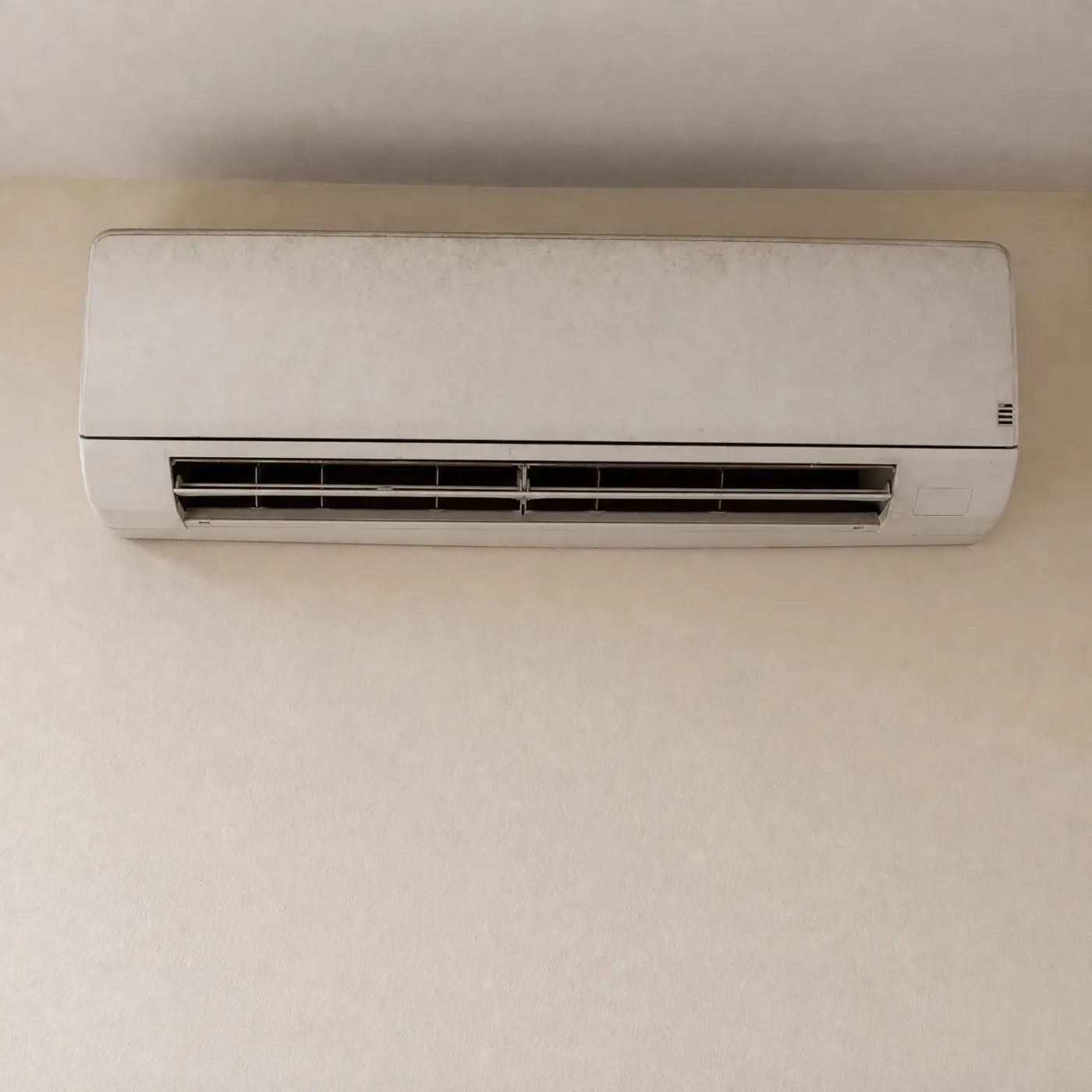
Dust has built up across the louvers and the coil behind them is working harder to pull air through. Ice has formed where moisture should be draining off, and the airflow you'd normally feel at the vent has thinned out or stopped.
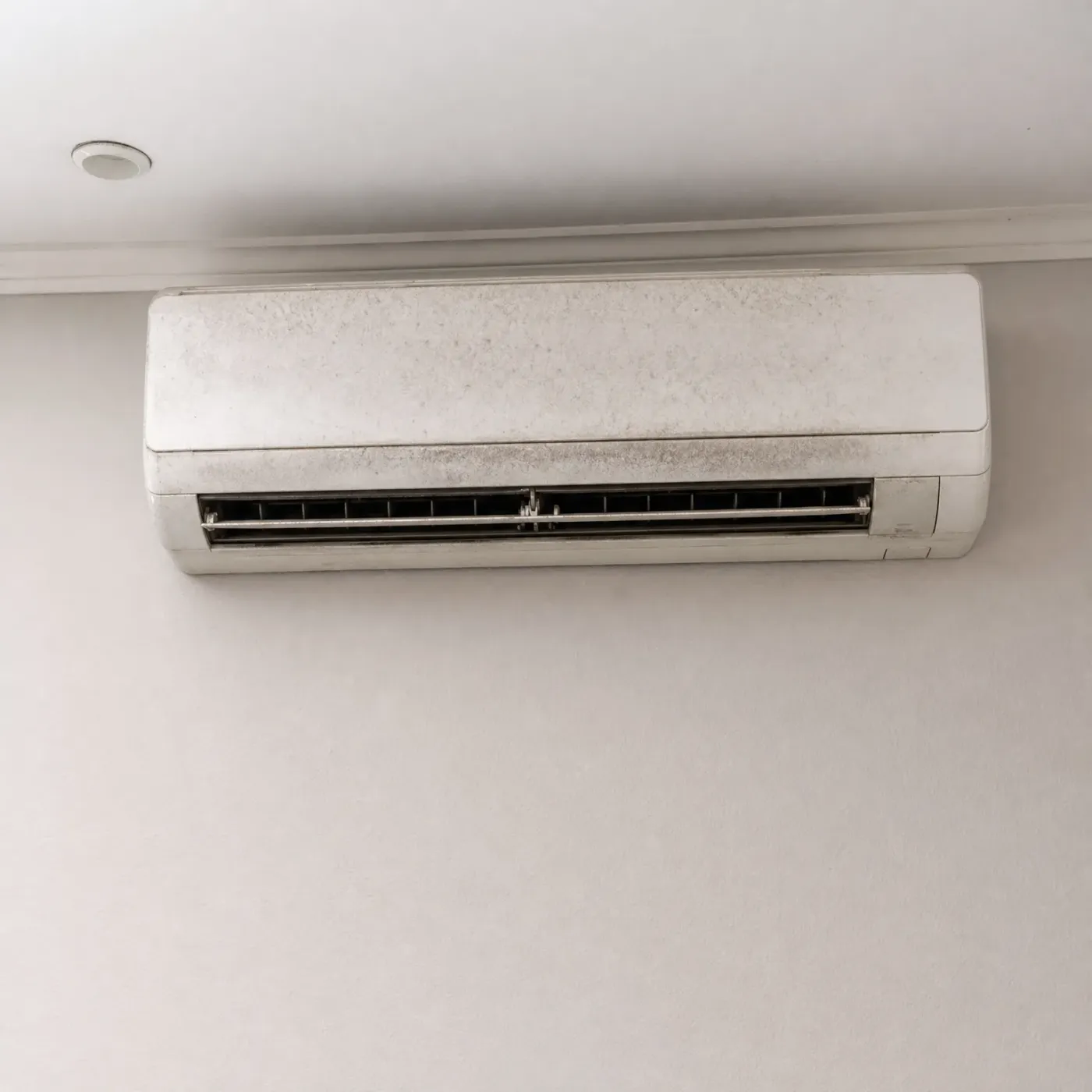
A mini split that keeps icing up in a Sugar Land summer is going to do it again next week if nobody looks at why. You could start calling around, but most shops will put you on a list and get to you when they get to it, and you'll end up explaining the same thing about the ice and the weak airflow to three or four different people before anyone shows up. Sending the request here puts it in front of one licensed contractor who works on mini splits in this area all summer and has a good idea what's behind a coil icing over before even seeing it, whether that's a filter, a low charge, or something with the blower. You skip the round of calls and quotes and get straight to someone who can look at the unit itself. With the humidity Fort Bend County holds onto for months at a time, a mini split that's already struggling isn't going to sort itself out, so getting someone qualified to it sooner rather than later is worth doing.
The unit will keep freezing and thawing on the same cycle, and each time it does, the compressor is working against a blocked coil instead of just cooling your house. That strain adds up. You'll notice weaker airflow, a system that runs longer to hit the same temperature, and in a Sugar Land summer, a house that doesn't cool down in the afternoon no matter how long the unit runs. Water from the melting ice can also end up on your floor or wall if the drain pan fills faster than it clears.
A contractor who works on mini splits finds the reason airflow dropped, whether that's a dirty filter, a blocked coil, or a refrigerant leak, and clears it so the coil runs at the right temperature again. Once that's fixed, the unit cools the way it's supposed to without icing back up. You get even airflow out of the vents, a house that actually cools down, and a system that isn't quietly wearing out its compressor every time it freezes and has to fight through the ice to keep running.
With cooling running April through October here, a mini split that ices up isn't a one-time glitch. It's going to hit that same blocked airflow or low charge again somewhere in those seven months, likely more than once if the cause stays unfixed.
NOAA nClimDiv 1991-2020
A frozen mini split isn't a mystery. Ice on the coil or the lines outside means air isn't moving across that coil the way it should, or the refrigerant charge has dropped below what the system needs. Either one drops the coil's temperature past the point where moisture freezes instead of draining off. The unit still runs because the compressor doesn't know anything's wrong. It just keeps working against a blockage, and that's the part that costs you.
Shutting it off and running the fan buys you a few hours of melted ice and nothing else. The filter is still dirty, or the vent is still blocked, or the charge is still low, and the next time the compressor kicks on, the same frost starts forming again. With cooling running from April through October in Sugar Land, that cycle has a lot of chances to repeat, and each time it does, the compressor strains a little harder against ice that shouldn't be there.
The fix isn't guesswork. It's finding which of those three things, airflow, filter, or charge, is actually the cause in your system, and clearing it. That's a job for someone who works on mini splits regularly and knows what to check first. Once it's traced and cleared, there's no reason it should ice up again before next summer, as long as whatever caused it doesn't come back.




Describe it once
Your request goes to one pro, not a list of companies.