Shut it off, not just the thermostat
Flip the breaker or pull the disconnect. Letting the fan keep pulling warm, humid Corpus Christi air across an iced coil just adds more ice while you wait.
 Connect with a pro
Get matched with a pro who fixes mini splits in Nueces County.
Ice on the lines or a frozen coil on your mini split means it has to come off before the system can tell you anything useful about what's actually wrong. Running it harder won't clear it, and running it at all while it's iced over can push liquid refrigerant back into the compressor, which is not a cheap way to find out.
In Corpus Christi, a mini split frozen up in July is usually working against heat and humidity most of the day, every day, for months. That kind of load finds a weak point fast, whether it's low refrigerant, a dirty filter choking airflow, or a blower that's lost its strength. Out in the rest of Nueces County it's the same story, just with no city block between the unit and the sun.
You don't have to figure out which of those it is before someone looks at it. That's the part that takes a trained eye and the right gauges, not a guess from the homeowner side of things. What you do need is someone who actually works on mini splits showing up, not a general HVAC call that treats it like a central system with a different shape.
Once you send in what's going on, that part stops being on you. A contractor who handles mini splits in this area gets your information and reaches out, and from there it's a conversation between you and someone who's seen this unit freeze up before, not a search you have to keep running yourself. With power rates what they are here, a mini split that's iced over and still drawing current isn't doing your bill any favors either, so there's reason enough not to let it sit.
Tell the page what's happening with your unit below, and let the matching start from there.
A frozen mini split almost always comes down to airflow or refrigerant. If the filter is dirty or the indoor coil is blocked, the coil gets too cold and ice builds across it instead of just condensation. Low refrigerant does the same thing from the other direction, dropping the pressure in the coil until the moisture in the air freezes on it rather than draining off. Running the system in cooling mode with Corpus Christi humidity pushing through a restricted or low-charge unit only adds more ice, faster. Turn the system off and let the fan run on its own, or run fan-only mode, so the ice melts instead of thickening. Once it's clear, a technician needs to find out whether this was a filter and airflow problem or a leak that needs to be located and sealed before the system is recharged. Either way, the same thing will happen again if the cause behind it isn't fixed.




Flip the breaker or pull the disconnect. Letting the fan keep pulling warm, humid Corpus Christi air across an iced coil just adds more ice while you wait.
A coil that's fully iced over can take several hours to clear even with the system off and the fan removed from the equation. Pushing it along with a hair dryer risks the coil itself.
Cooling runs March through November
Cooling runs March through November here, so the coil spends nine months a year doing the work that can ice it over.
Heat runs December through February
Heat runs December through February, just three months, which means your mini split sits idle part of the year collecting dust on the coil and filter before summer starts the cycle again.
Power here costs 17.22 cents per kilowatt-hour
Power here runs 17.22 cents per kilowatt-hour, so a unit fighting through ice and running longer to compensate shows up fast on the bill.
NOAA nClimDiv 1991-2020 · EIA-861 2025
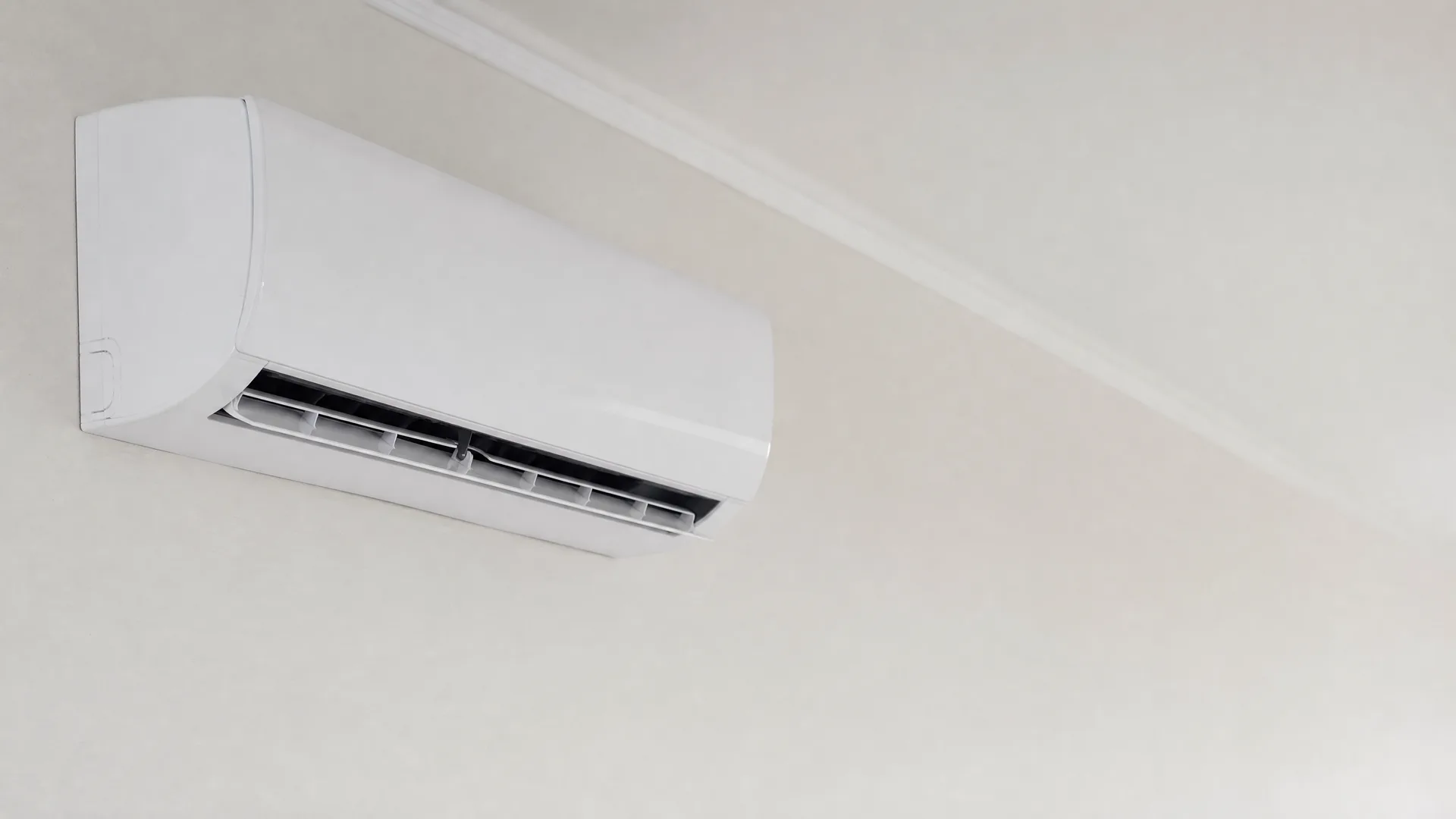
A dirty filter chokes the air moving across the coil, so the coil drops below freezing and ice spreads from there. You can pull the filter and check it yourself, and in a lot of cases washing or replacing it is enough to stop the freezing from coming back. Low refrigerant is different. It only leaves through a leak, and a contractor has to find the leak and fix it before adding refrigerant does any good.

Clear the airflow problem and the coil runs at the temperature it's built for again. That's the end of it unless something blocks the air a second time. A refrigerant leak keeps leaking. The system might run fine for weeks after a recharge and then freeze up again once the charge drops low enough, because the hole that let it out in the first place is still there.
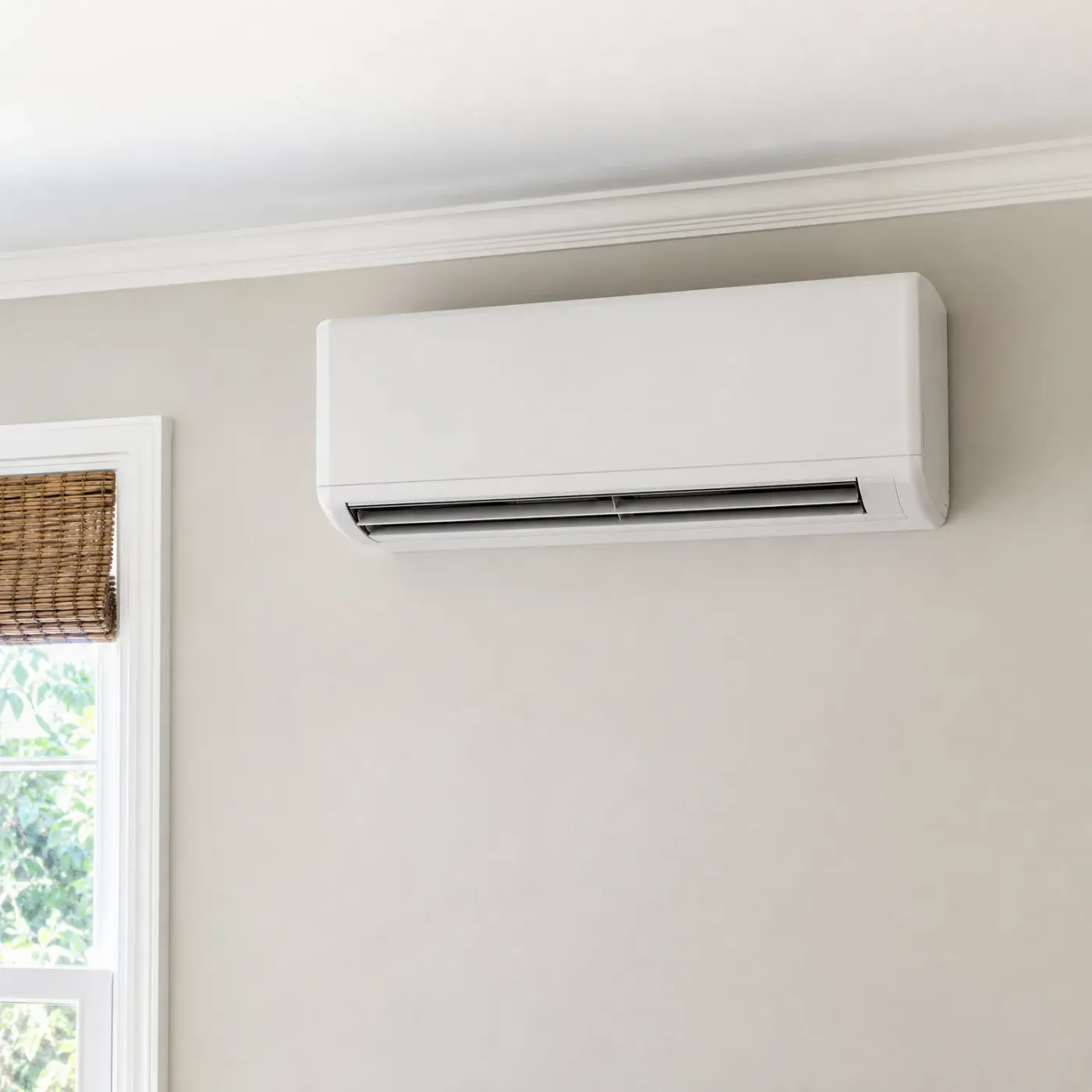
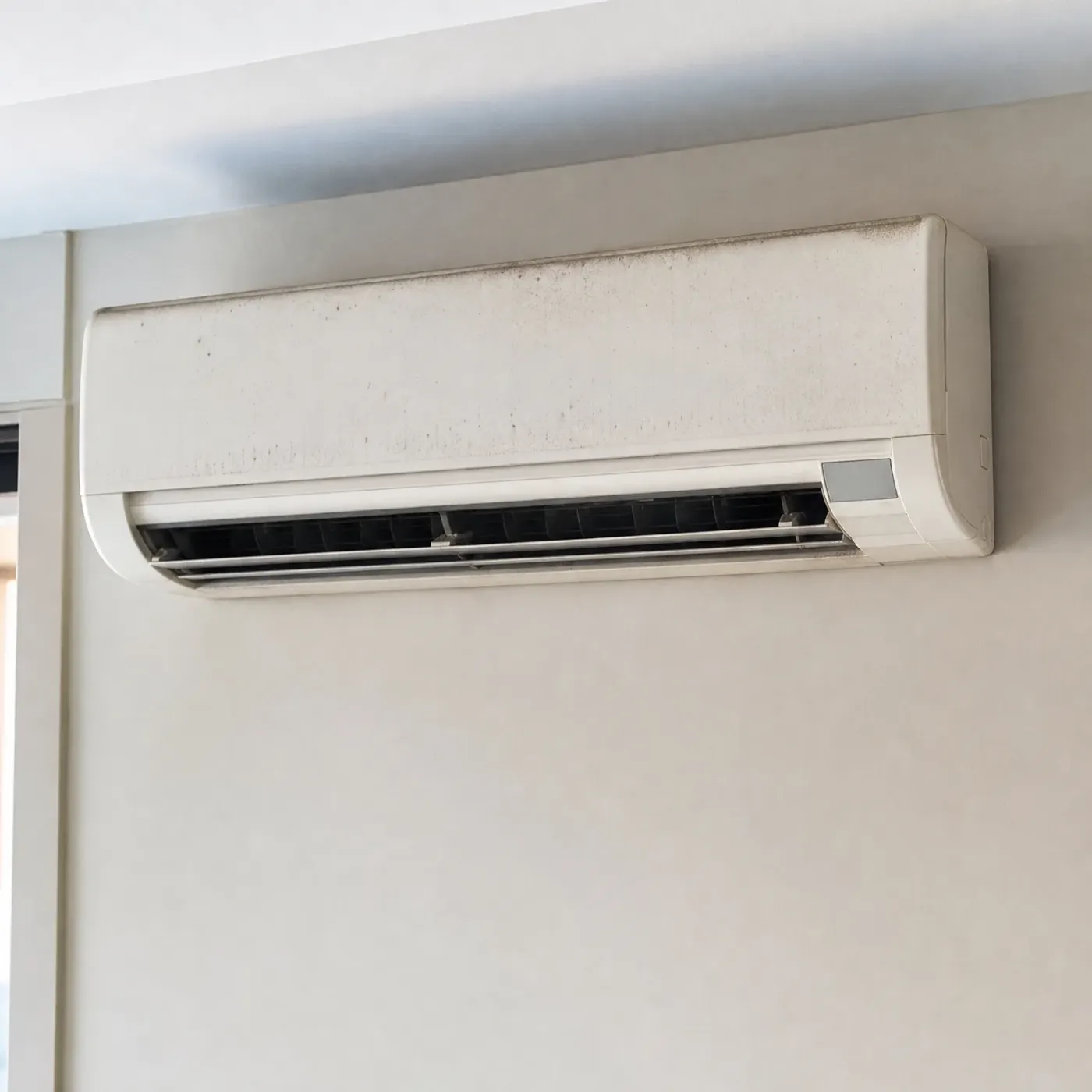



Send the request and finding a pro stops being your problem.
Your request goes to a Nueces County pro who takes mini split jobs.
There's no charge for the request.
Why does ice keep coming back even after I thaw it out?
Letting it thaw just gives the coil a clean start. If the filter was the problem and you washed or replaced it, the coil should run clear from there, since airflow was the only thing wrong. If ice comes back within a day or two of running it again, the filter wasn't the whole story. That points to low refrigerant, a weak blower motor, or a coil that isn't getting enough air for some other reason, a blocked return or a closed vent nearby. A mini split that refreezes after a proper thaw needs someone checking refrigerant charge and airflow with gauges, not another round of shutting it off and waiting.

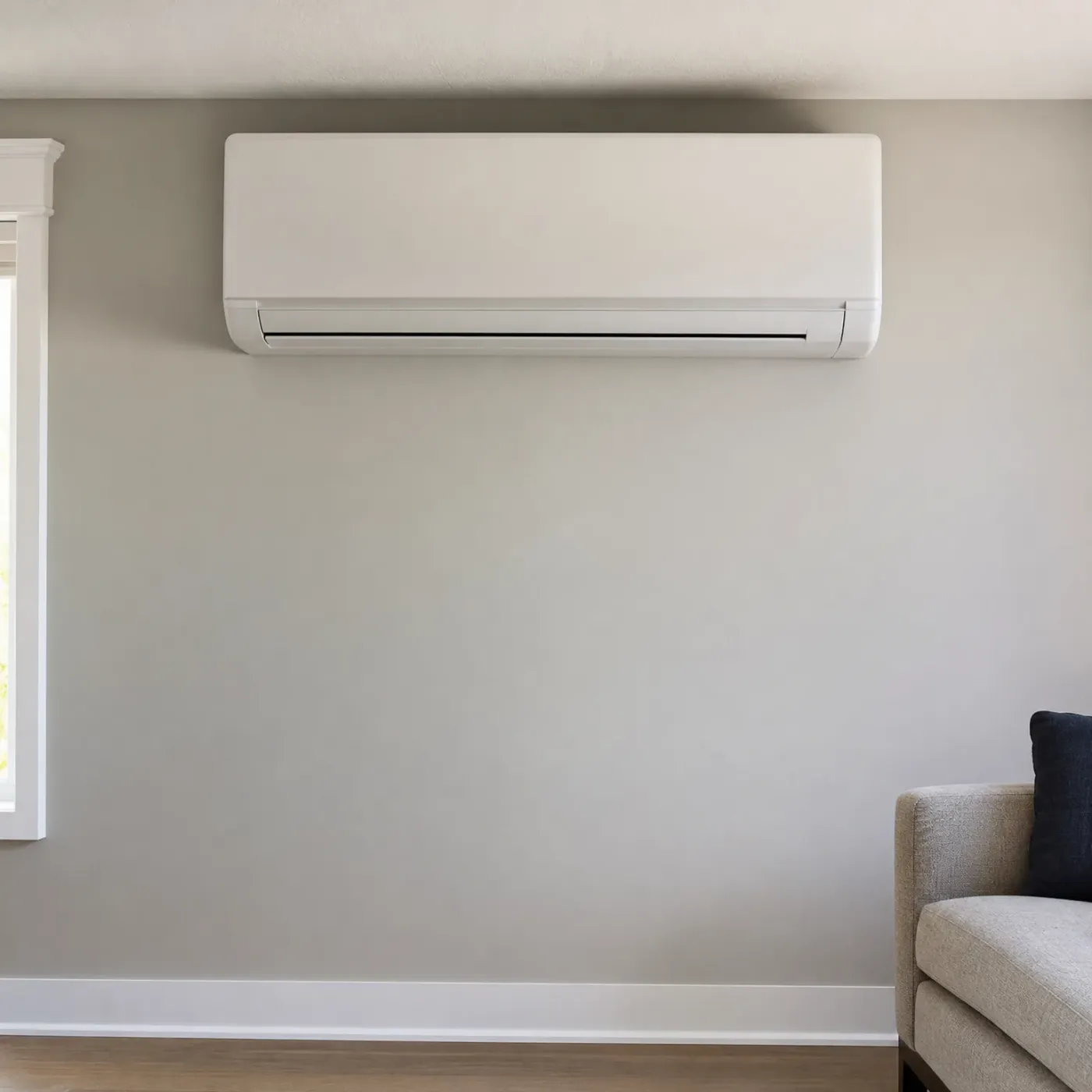
Air moves through the filter and across the coil without a fight. The coil stays cold enough to cool the room and nothing more, so it sheds condensation instead of building ice. This is what lets it keep up through a Corpus Christi summer without falling behind.
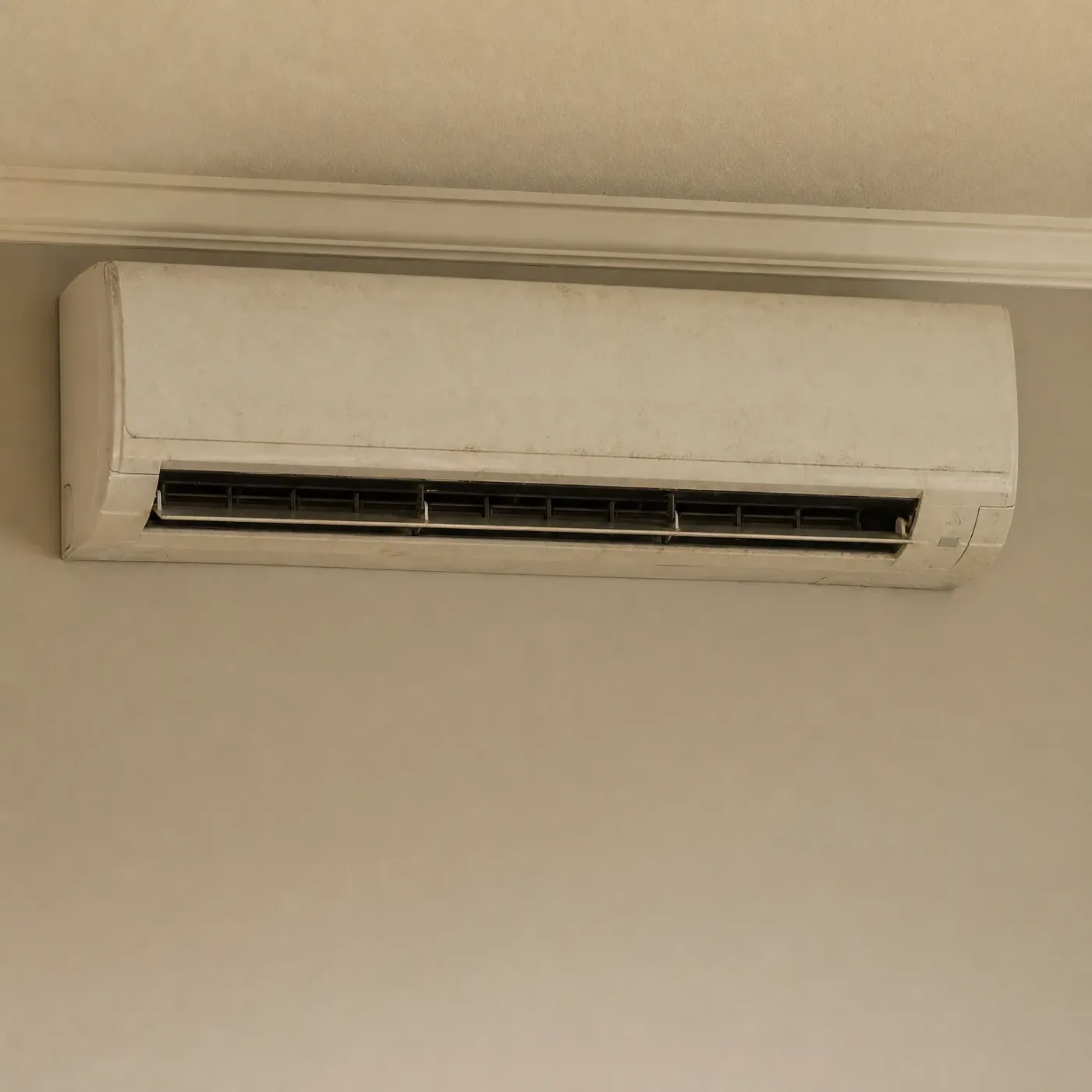
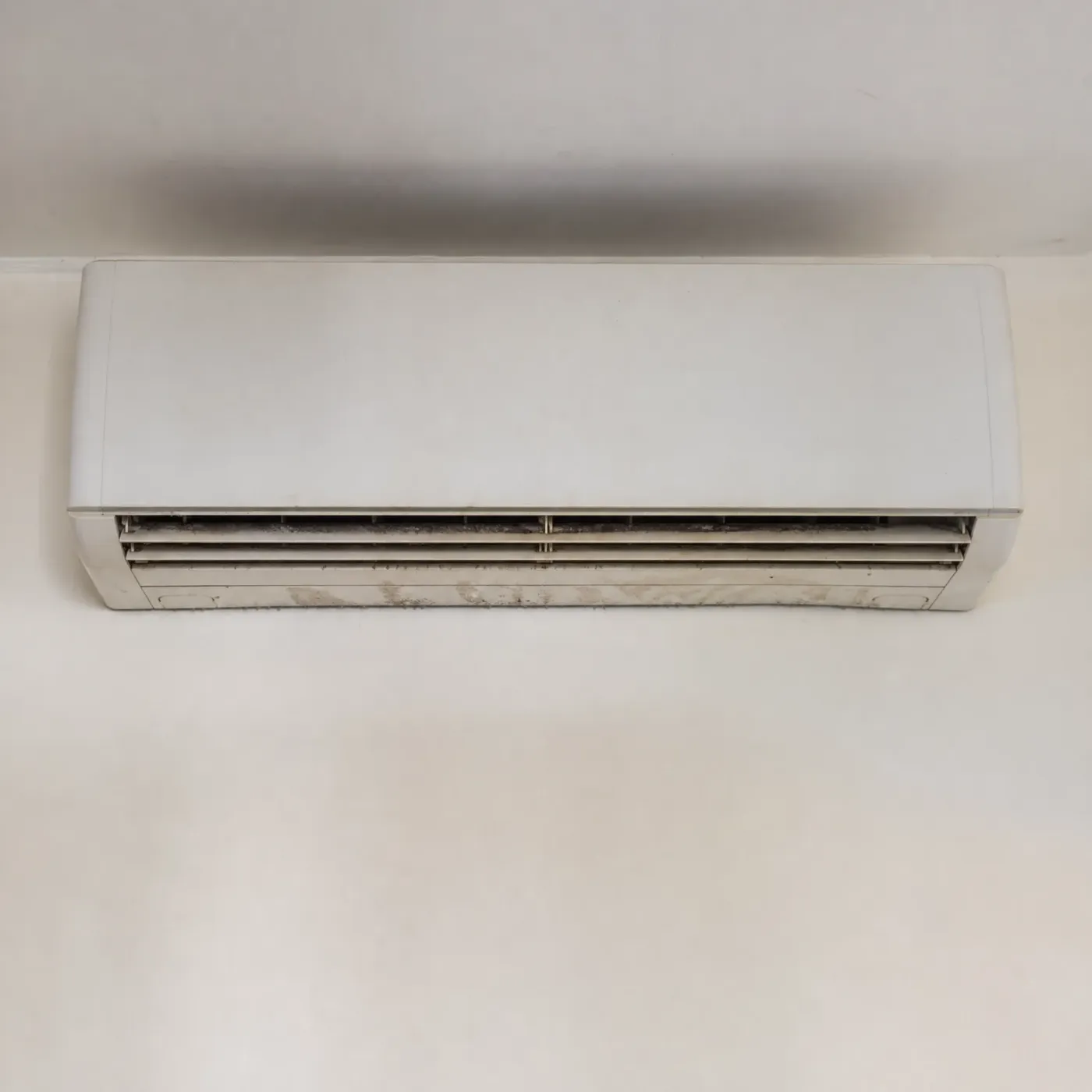
Dust and age slow the air down until the coil can't shed heat fast enough and ice takes over the casing. Once it looks like this, the unit isn't cooling the room anymore, just running colder and colder under a layer of frost. It has to come off before anyone can tell what caused it.
Look at the indoor unit. You'll see ice on the coil behind the panel, maybe on the copper line running outside to the condenser. The air coming out feels weak or barely cool, and sometimes there's no air at all even with the fan running. Water starts showing up where it shouldn't, dripping from the unit or pooling under it as the ice melts. The room stops cooling even though the system sounds like it's working. Left alone, the ice keeps building and the coil stays wet longer than it should, which gives mold somewhere to start. Catching it now, before the dripping spreads to a wall or the flooring underneath, is what keeps this a quick fix instead of a bigger one.
Nine months of cooling means nine months where that coil can ice over if airflow or refrigerant is off. A mini split in a window unit climate gets a break each winter; yours barely does.
NOAA nClimDiv 1991-2020
A frozen mini split always traces back to one of two things. Either the coil is too cold because air can't move across it right, or it's too cold because there isn't enough refrigerant moving heat the way it should. Both show up the same way, as ice, and that's why guessing from the outside doesn't get you far. You can rule out a dirty filter yourself in a few minutes. What you can't do without gauges is confirm a refrigerant charge or find a slow leak in the line set, and running the unit on a hunch while it's still frozen is how a fixable problem turns into a compressor replacement. The coil has nine months a year in Corpus Christi to do this job, which means whatever caused the ice once has plenty of chances to cause it again if it goes unaddressed. Thawing it out buys you a working system for a while. It doesn't tell you why it froze, and it won't stop it from happening again. Once you've shut the unit down and given it time to clear, the next real step is getting someone out who can check the charge and look at the coil directly. That part stops being something you have to figure out on your own the moment you send the form. A contractor takes it from there, and you're not left guessing whether it was the filter or the charge.
A mini split pro near you