
Is a mini split cheaper than baseboard heat in Texas

Send the form and the search for an installer is over.

Hand it off

Yes, a mini split costs less to run than baseboard heat almost everywhere in Texas. Baseboard heat uses electric resistance, which turns every watt into heat at a one to one rate. A mini split moves heat instead of making it, so it delivers several times more heat per watt of power it uses. Winters here are mild compared to much of the country, which is exactly where that difference shows up most, since a heat pump works most efficiently in that range of outdoor temperatures. Power here runs at a typical rate, so the savings come from using less of it, not from a special utility rate. The same mini split also handles cooling, which baseboard heat never did, so it is doing a second job through the muggy Texas summer. If yours is already installed, it is very likely costing you less than baseboard would for the same rooms.

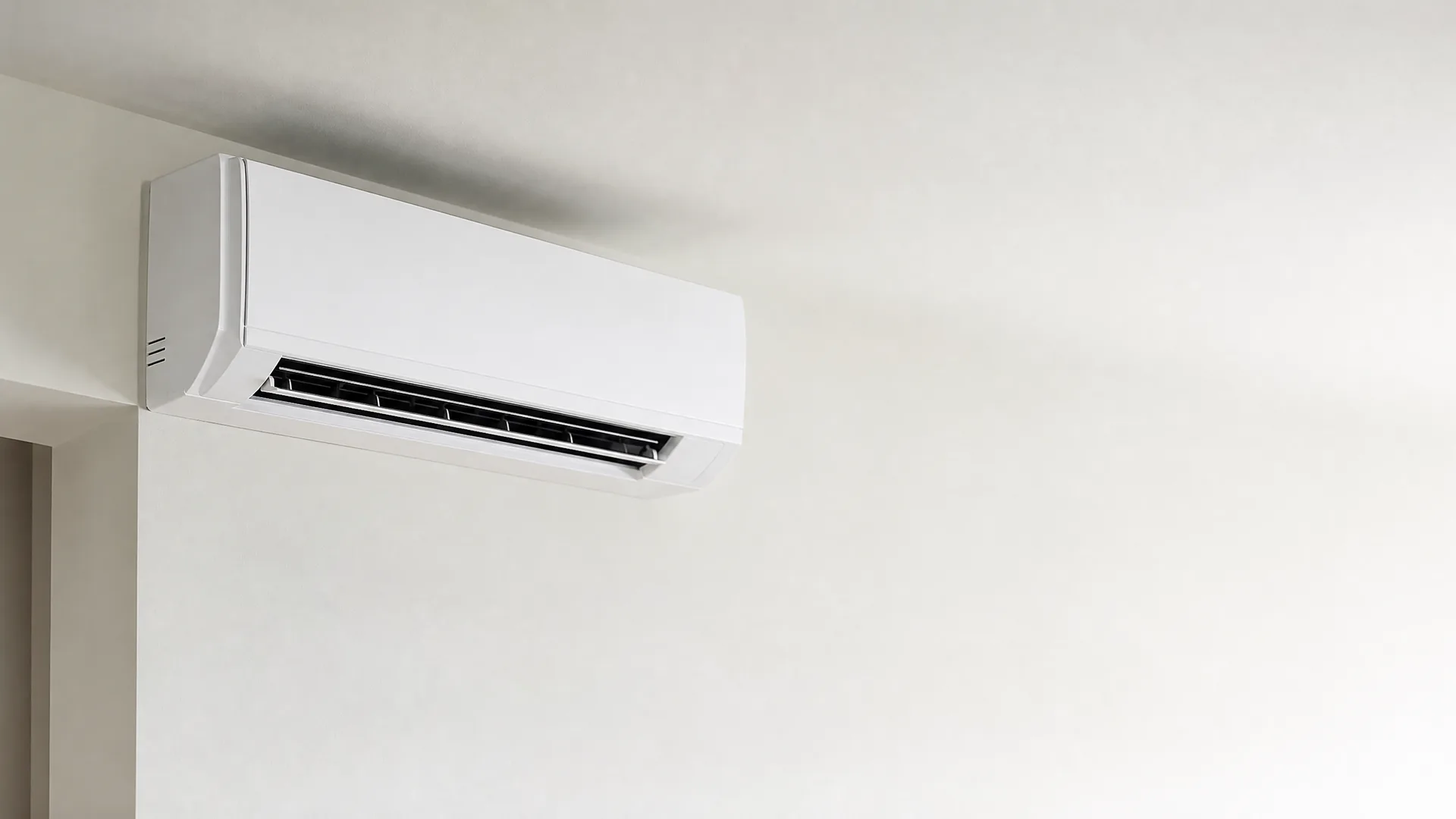
A white wall-mounted mini-split air conditioner unit near the ceiling on a plain light-colored interior wall with open space to the right.

Why resistance heat costs more

Baseboard heat has one job: pass electricity through a metal element and let it glow. Every watt in becomes a watt of heat, nothing more. A mini split's outdoor unit pulls heat from the outside air and concentrates it indoors, so it delivers more heat energy than the electricity it consumes. That difference holds even on cold mornings, which is when baseboard heat runs longest and costs the most.

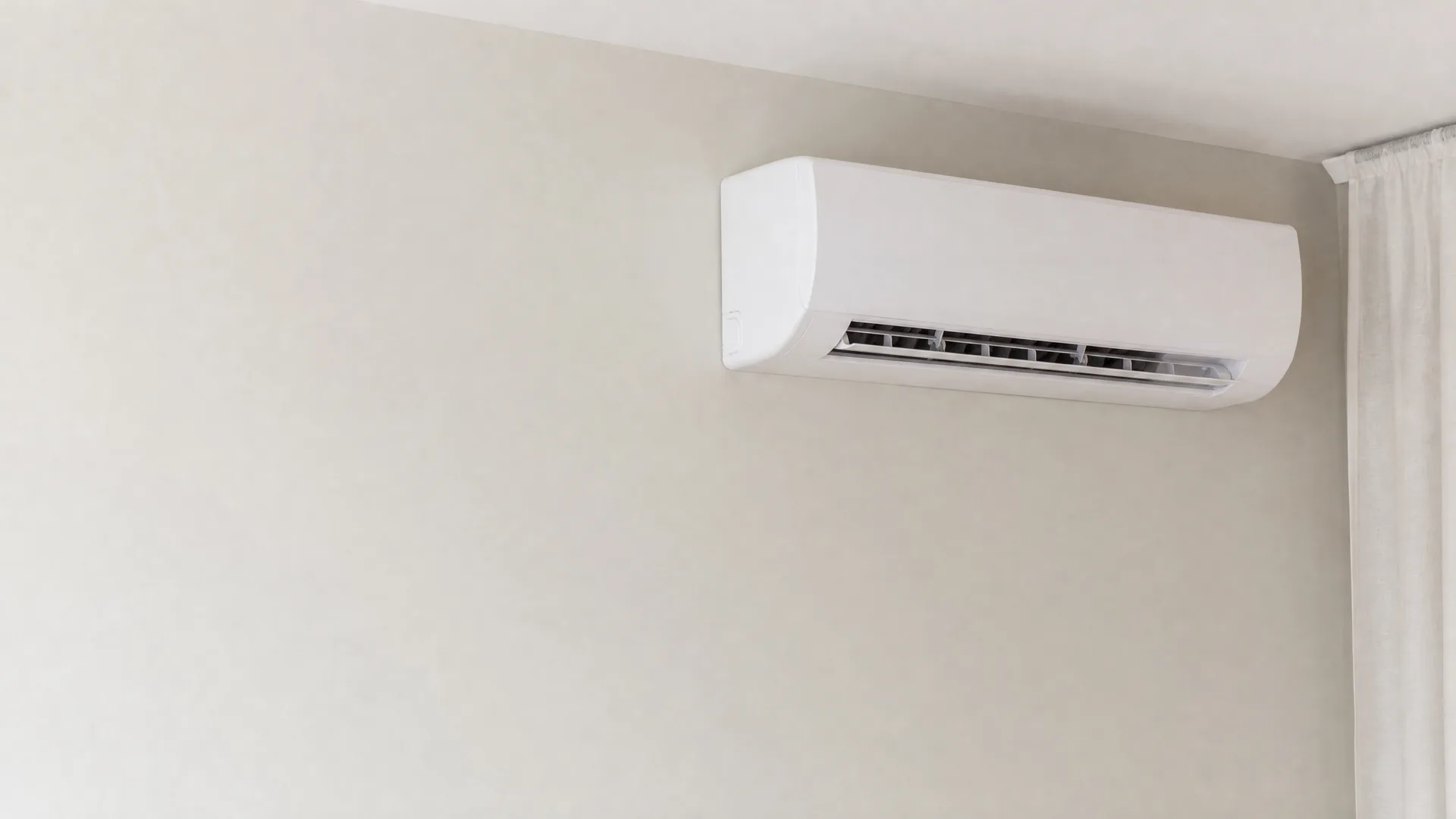
A white wall-mounted mini-split air conditioner unit installed near the ceiling on a plain beige interior wall, with a light curtain at the right edge.

Where the savings show up

Baseboard heat warms a room by convection, so heat collects near the ceiling and the floor stays cool while the thermostat is satisfied. A mini split pushes conditioned air across the room, so the space feels even at a lower setting. With power priced the same as the rest of the state, the gap between the two shows up on the bill every month you run heat, not just on the coldest days.

How does a mini split actually move heat compared to baseboard

You've seen your baseboard heaters glow red and felt the room warm up slowly, so it seems reasonable that a mini split should work the same way: electricity in, heat out. But the two systems don't do the same job to get there, and that difference is exactly why one costs less to run than the other through a Texas winter.

A mini split moves heat, it doesn't manufacture it

Baseboard heat works by resistance. Electricity runs through a metal element, the element heats up, and a fan or natural draft pushes that heat into the room. Nothing is moved from anywhere else. A mini split's outdoor unit has a compressor and a refrigerant coil. Even on a cold day, outside air still holds some heat, and the refrigerant absorbs it, carries it inside through the line set, and releases it through the indoor unit's coil. The compressor is doing work, not generating heat directly, so one unit of electricity moves several units of heat instead of becoming one. That's the whole difference, and it holds for every room the mini split serves, not just the one with the thermostat.

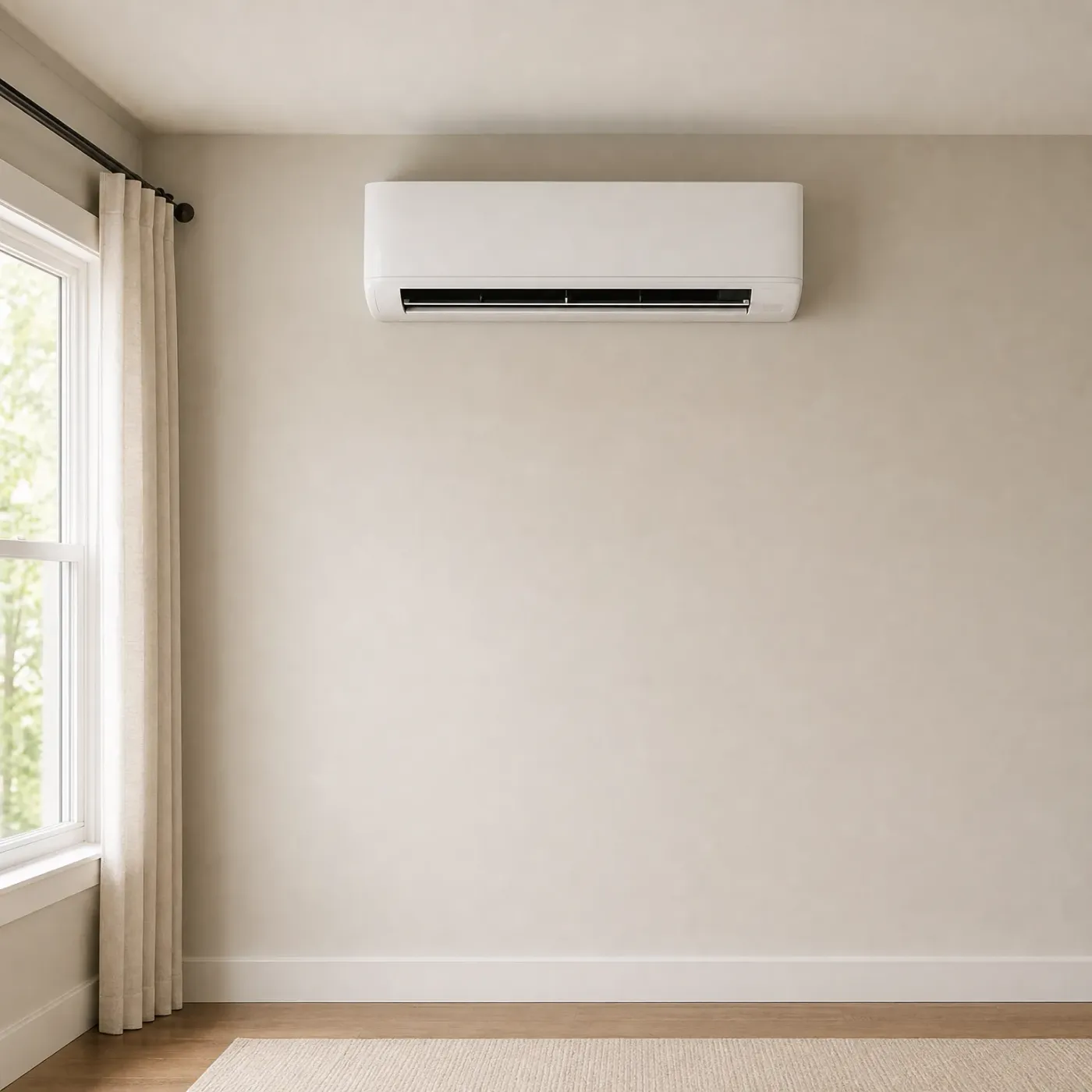
A white wall-mounted mini-split air conditioner on a beige interior wall, with a curtained window on the left and wood flooring with a light rug below.

Running the way it should

A mini split that's sized and installed right holds a steady temperature without straining. The outdoor unit cycles on and off instead of running flat out, and the indoor head stays quiet. That's the setup that keeps the cost advantage over baseboard heat intact through a Texas summer.
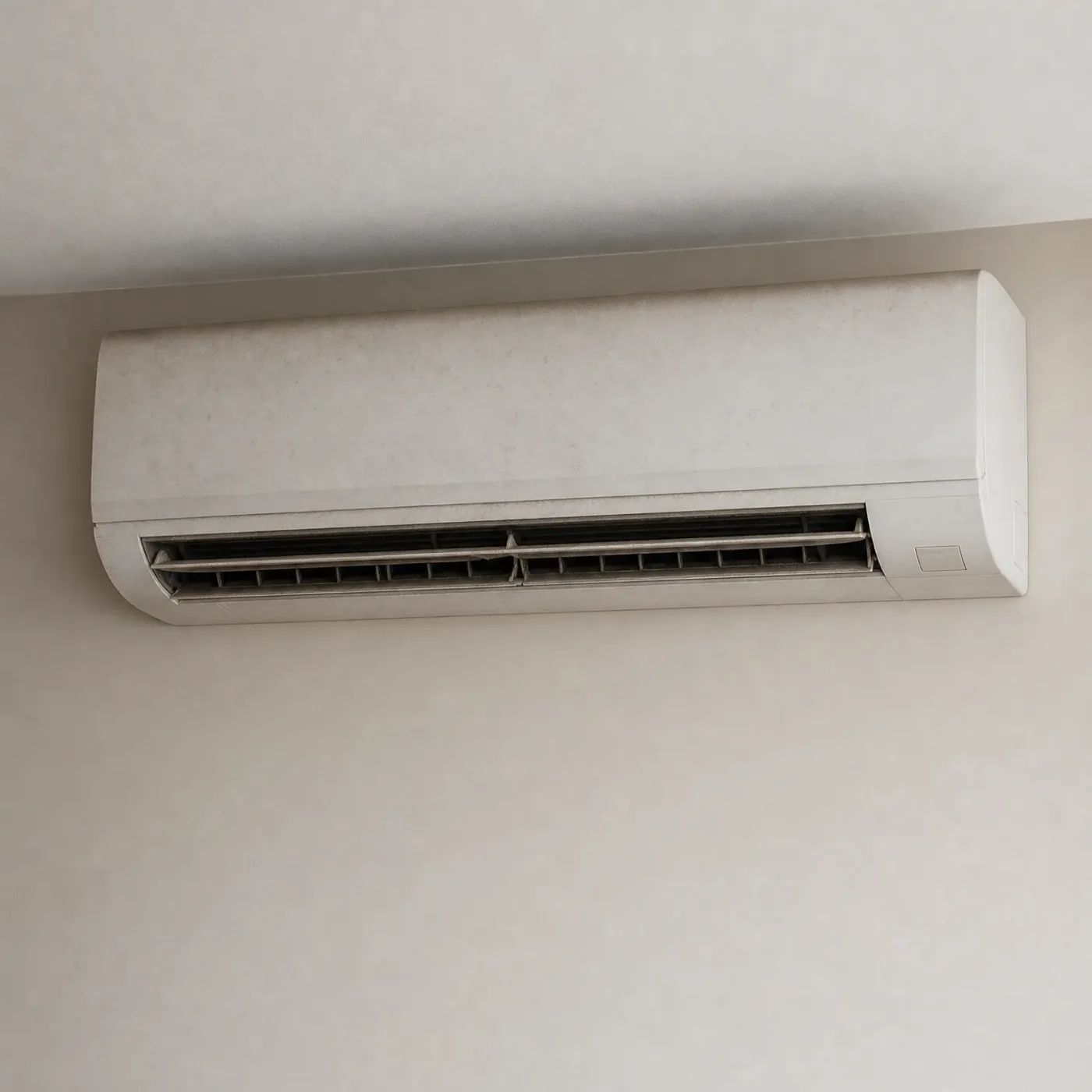

A white wall-mounted mini-split air conditioner indoor unit installed near the ceiling on a plain light-colored wall, with its horizontal outlet vent and louvers visible.

Losing the advantage

Dust packed into the vents and a yellowed casing usually mean the filter hasn't been cleaned and airflow is restricted. A mini split working that hard to push air through a clogged coil draws more power to do the same job, and the gap between it and baseboard heat narrows.

Why does your electric bill jump every time it's cold

If baseboard is what's heating your house now, you've probably watched the bill climb on the coldest stretch of nights and wondered why it moves so much more than it does in summer. That's the resistance element doing exactly what it's built to do, running flat out the whole time a room calls for heat, with no way to back off and no way to multiply what it's using. Baseboard also heats unevenly, warming the air right around it while the rest of the room lags, which means the thermostat keeps calling for more. A mini split installed in that same room would answer the call with less electricity, not because your house changed, but because the equipment pulling the heat changed.

A smiling man in a dark navy sweater sits on a light sofa in a living room, with a glass bowl of popcorn on a wooden coffee table and bookshelves behind him.
A smiling man in a dark green sweater sits on a tan leather sofa in a dimly lit living room, with a bowl of popcorn in the foreground and a kitchen area blurred behind him.
A smiling middle-aged man in a dark shirt sits on a gray sofa in a living room, with a bowl of popcorn on a side table and shelves, a window and kitchen area behind him.
A smiling bearded man in a dark gray t-shirt sits on a gray couch in a living room, with a large glass bowl of popcorn on a wooden table in the foreground.

Send one request and you're done looking

You already have the mini split. What decides whether it actually beats baseboard this winter is whether it was installed to run the way it's supposed to, with the right size unit for the room and a clean setup that lets it cycle instead of strain. A unit that's undersized or poorly placed will lean on backup heat or run constantly, and the savings you're counting on disappear. Someone local who installs and services these systems through Texas summers and winters knows which mistakes show up most in homes like yours and what a correct setup looks like here. Send the request and it goes to one contractor who works on this equipment regularly, not a handful of companies competing for your callback. That's one less thing to sort through while you're trying to get your heat working the way it should.

When the mini split wins

Most hours of most winters, the mini split costs less to run than baseboard would for the same room. It's moving heat rather than making it, so for every watt it draws it delivers several watts of heat into the room. On a mild Texas night, in the 40s and 50s, it barely has to work to hold a room warm. That's where the savings show up most, night after night, because those are the temperatures Texas winters sit at most of the time. If the unit was sized right for the room, this is the normal case, not the exception.

When baseboard can catch up

On the handful of nights that drop into the 20s, a mini split has to work harder to pull heat from air that's barely holding any, and its advantage over baseboard narrows. If the unit is undersized for the room, it may run flat out and still lose ground, and at that point baseboard's flat, simple output isn't that far behind it. This is a few nights a year here, not the season. A mini split sized and installed for the room it's heating stays ahead through those nights too.

Power costs 15.40 cents per kilowatt-hour statewide

At 15.40 cents per kilowatt-hour, every watt matters more than you'd think. Baseboard burns through that watt for one watt of heat. Your mini split stretches the same watt into several, so the gap in what you pay shows up clearest right here in Texas, not somewhere with cheaper power.

EIA-861 2025 statewide residential average

A woman with dark hair in a bun reclines on a sofa with her eyes closed, wrapped in a cream fleece blanket, a closed blue hardcover book resting in front of her, with a lit lamp and a vase of dried flowers in the background.
A smiling bearded man in a navy sweater sits at a candlelit dinner table with a glass of red wine, a bowl of salad, and plates of food in the foreground.

Where that leaves you

  • A mini split costs less to run than baseboard heat on all but the coldest nights of a Texas winter.
  • The savings come from moving heat instead of making it, which is a mechanical difference, not a settings difference.
  • That advantage only shows up if the unit was sized for the room and installed so it can cycle instead of strain.
  • A unit fighting an oversized or undersized install can lose the cost edge it's built to have.
  • A local contractor who services this equipment all season knows which install mistakes are behind most underperforming units.
  • Working with one licensed local contractor means a single point of contact who knows your system, not a string of unrelated calls.

A mini split beats baseboard on cost most nights of a Texas winter. That's settled. What decides whether yours actually delivers that depends entirely on the install, not the thermostat setting. A unit sized right for the room and set up so the outdoor unit can cycle on and off, rather than run flat out trying to keep up, is the one that holds the cost advantage all season. A unit that's too big, too small, or crowded on a wall with no clearance to breathe loses that edge, and you end up paying closer to what baseboard would have cost anyway.

This is where a licensed local contractor earns the call. Someone who services mini splits in this area every winter has seen which installs hold up and which ones don't, because they're the one who gets the service calls when a unit starts short cycling or can't keep a room warm on a cold night. That's knowledge about your climate and your kind of install, not a general guess.

You're matched with one contractor, not several. That means one person looking at your situation, your room, your existing unit, and giving you a straight answer about whether it's set up to run the way it should. No fielding calls from companies that don't know your system and are just hoping to win the job.

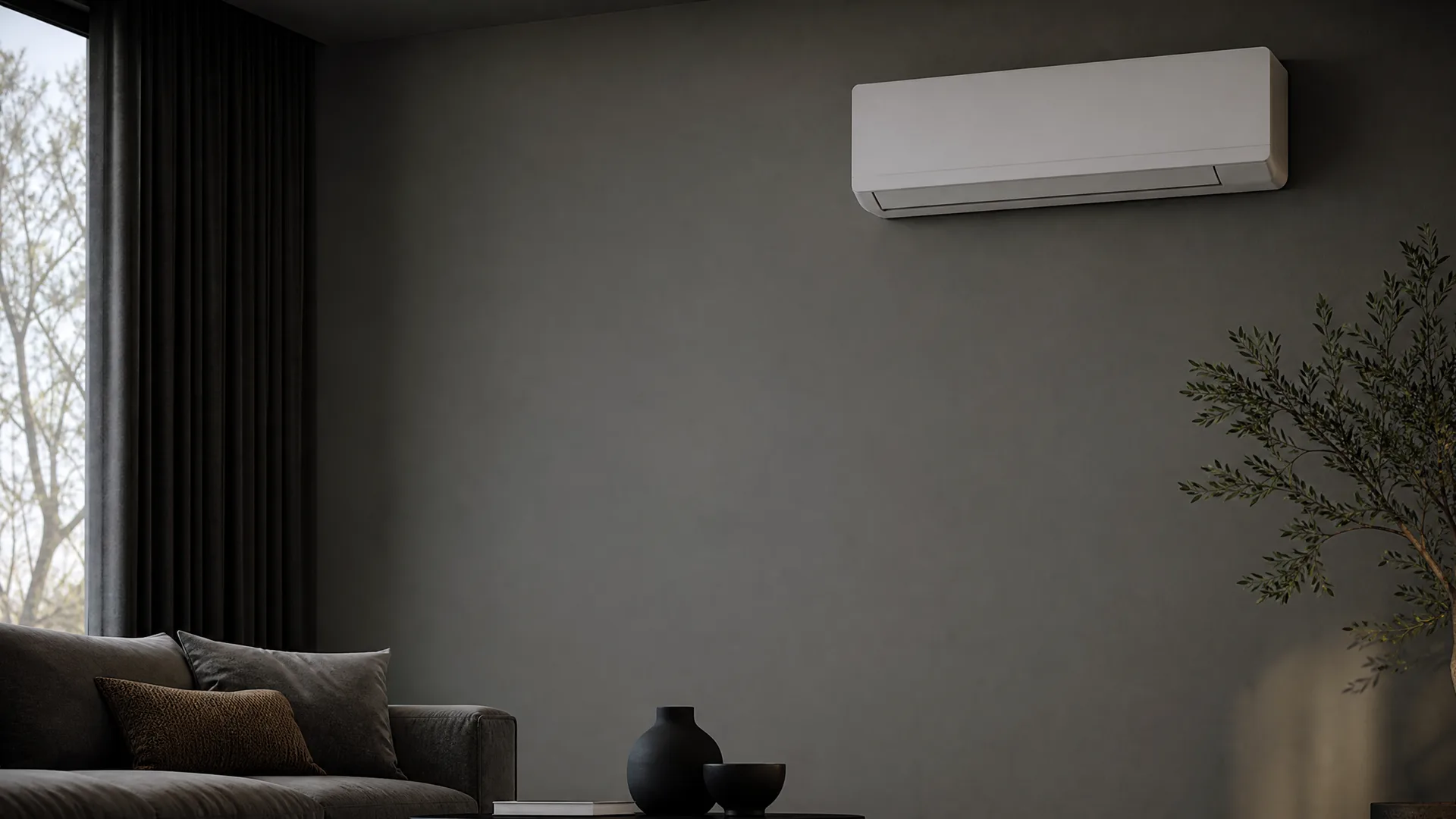
A white wall-mounted mini-split air conditioner on a dark gray interior wall above a gray sofa, with a window and curtain at left, a potted olive-like plant at right, and a black vase and bowl on a table in the foreground.

Finding a pro stops being your job

Only one pro gets your request, so you hear from one company.

Step 1 of 3: Equipment