

Every 2 to 3 months
That is how often the filter needs a rinse through a Plano summer. Skip a few cycles and the coil behind it starts losing its grip on the humidity.
 Hand it off
Send the form and the mini split tune-up stops being something to remember.
A mini split works harder in Plano than almost anything else in the house. Summers here run long and muggy, and the indoor coil and filter catch everything the air carries during those months. Most of the year this system is either cooling or sitting idle in mild winter weather, which means the dirt it collects has months to build up before anyone notices a problem.
The filter should be cleaned every few weeks during the months you run it hardest, and the coil and blower wheel need a real cleaning at least once a year. Skip it and the coil gets a layer of dust and grime that keeps it from pulling heat out of the air the way it should. The system still runs. It just runs longer to do the same job, and the condensation drain can start backing up too.
You don't have to figure out the right schedule on your own or guess whether that musty smell coming from the vents means it's overdue. Finding a contractor who services mini splits usually means a string of calls, explaining the same unit and the same symptoms to each one, then sitting with a stack of quotes trying to tell them apart. That work is the part this page takes off your plate.
Send the form once and a licensed contractor in the Plano area takes it from there. No more calling around Collin County asking who works on ductless systems, no more repeating yourself to the next person on the list. That part of the job is done the moment you hit send, and what's left is a straightforward visit to look at your unit and get it back to cleaning the air the way it's supposed to.
You want a straight answer that fits how your mini split actually gets used in Plano, not a generic schedule. Summers run long here, so the filter and coil are working hard for months at a stretch, and that changes how often they need attention compared to a house that only runs the system a few weeks a year.
The filter catches dust and lint every time the unit runs, and with Plano summers stretching from April into October, that buildup happens fast. A filter checked every two to four weeks during those months keeps air moving the way it should. The indoor coil behind it collects finer dust the filter misses, and that layer builds slowly enough that a once-a-year cleaning, usually in spring before the long cooling stretch starts, keeps it from affecting how well the unit cools. Skip either one and the system has to work harder to move the same amount of air, which shows up as weaker cooling or a higher bill.
Air pulls in through the return grille and hits the filter first.
Dust and lint build up on the filter mesh before anything else.
A clogged filter blocks airflow across the indoor coil behind it.
The coil loses the ability to pull moisture and heat out of the air.
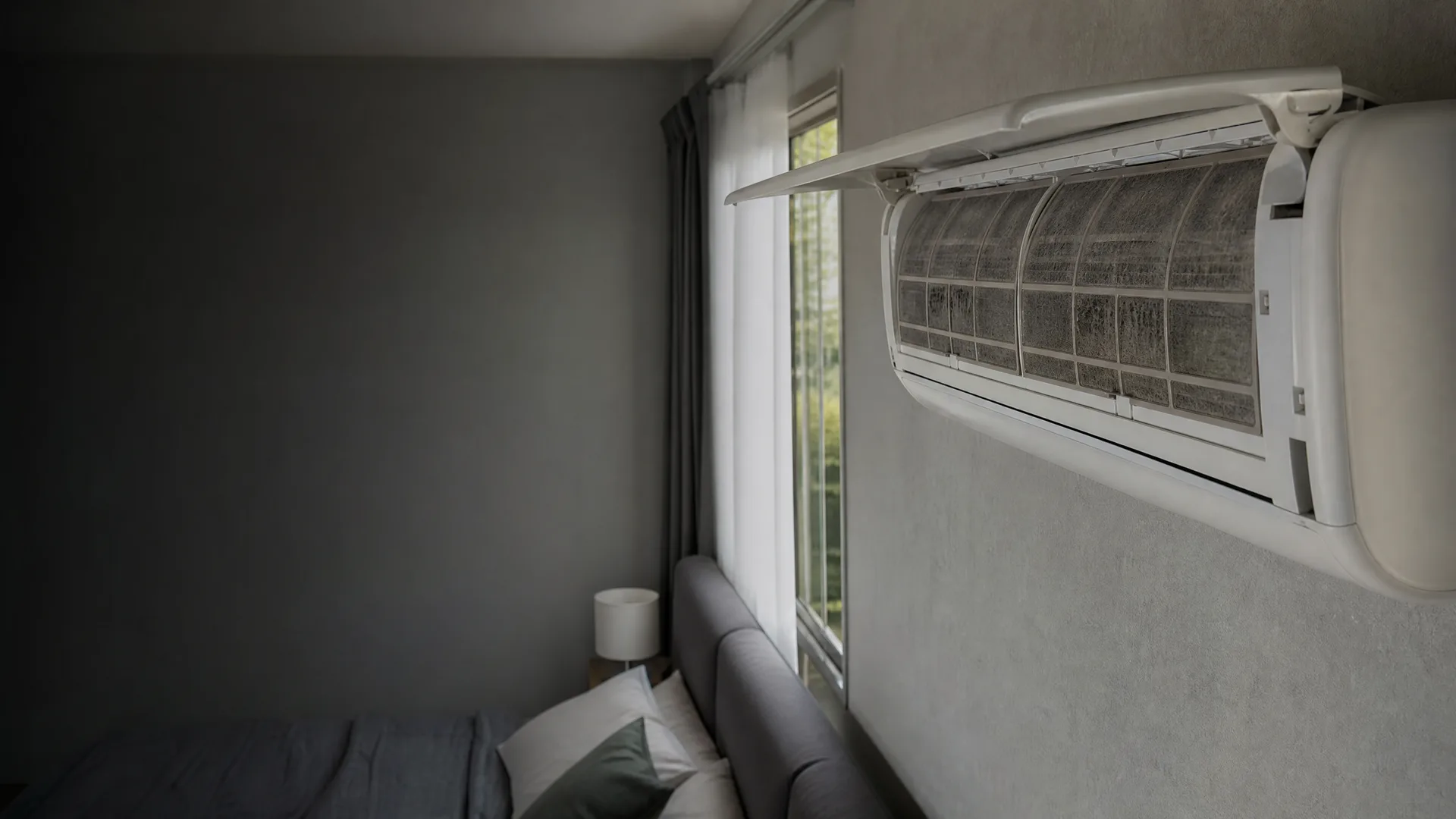
You pop the front cover off the indoor unit on a Saturday afternoon in March, before the heat sets in for good. The filter screen behind it is gray with dust, matted enough that light barely gets through the mesh. You hold it up to the bedroom window and can see the outline of every pass it's made through a Plano summer. The room has been running warm the last few nights even with the thermostat set the same as always, and now you know why. You set the filter in the sink to rinse later and stand there looking at the open unit, coil just visible behind it, wondering how long it's been since anyone looked at this thing.
One form instead of hunting for a pro who does mini split tune-ups.
No charge to send it. You decide if you hire them.
The part of a mini split that fails quietest is the drain line, and it's usually not the coil. When the blower wheel spins up, it throws a fine mist of condensation onto the coil fins, and that water has to go somewhere. It drops into a pan underneath, then runs out through a line that slopes away from the unit toward a drain or the outdoors. That line is narrow, and through a Plano summer it stays wet for months at a stretch. Algae grows in standing water, dust settles into it, and the two together can plug the line while the coil above still looks clean. Once the line is blocked, the water has nowhere to go but back up into the pan. From there it rises until it spills over the edge, and that shows up as a drip from the unit or, worse, water working its way into the wall behind it. None of this touches the refrigerant side of the system. The lines carrying refrigerant between the indoor and outdoor units are sealed, and cleaning never opens them or changes the charge. The outdoor unit has its own job in this: its coil dumps heat from the house into the outside air all summer, and if leaves or grass clippings pack in around the fins, it has to work harder to do it. Clearing that coil is as much a part of the job as the filter and the drain line.
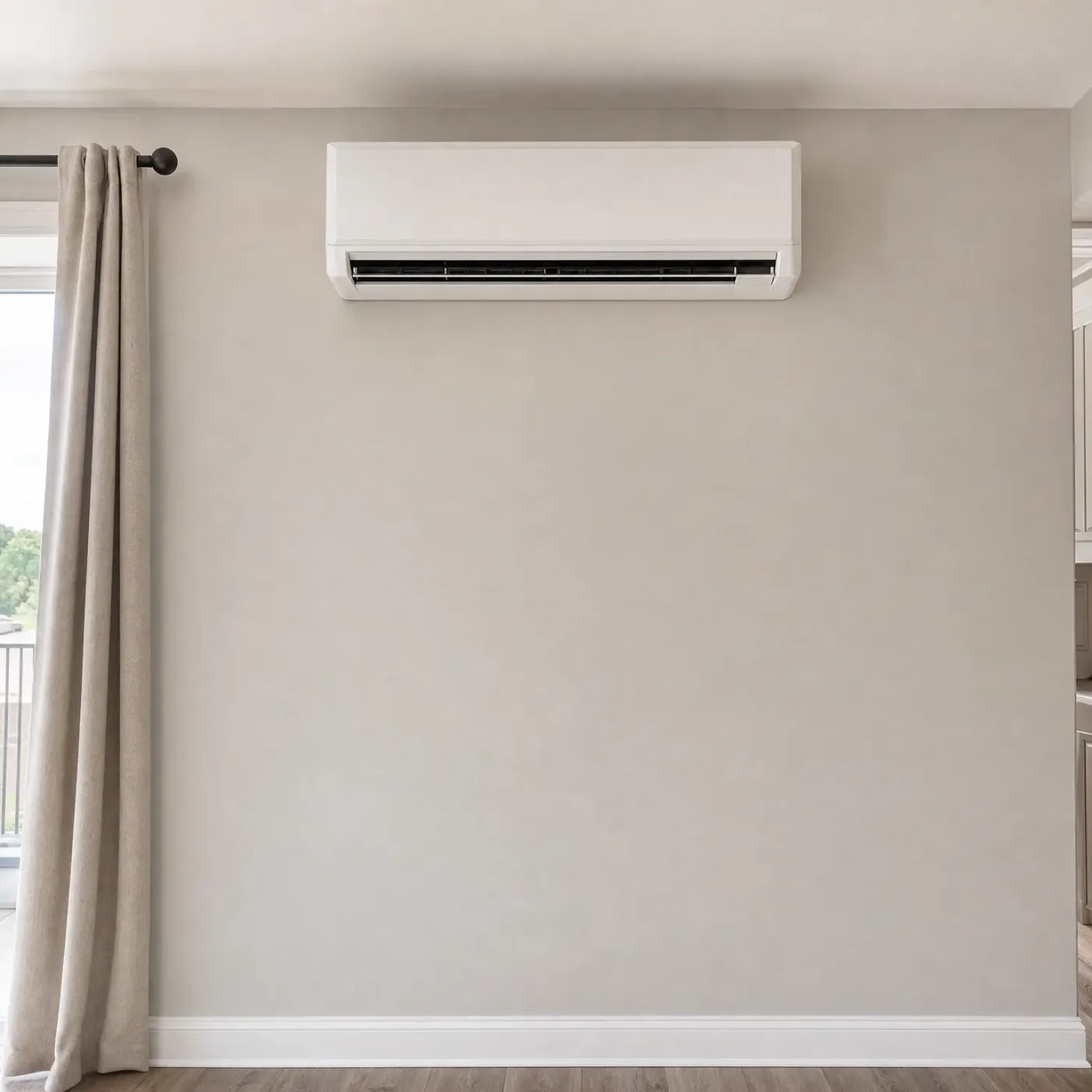
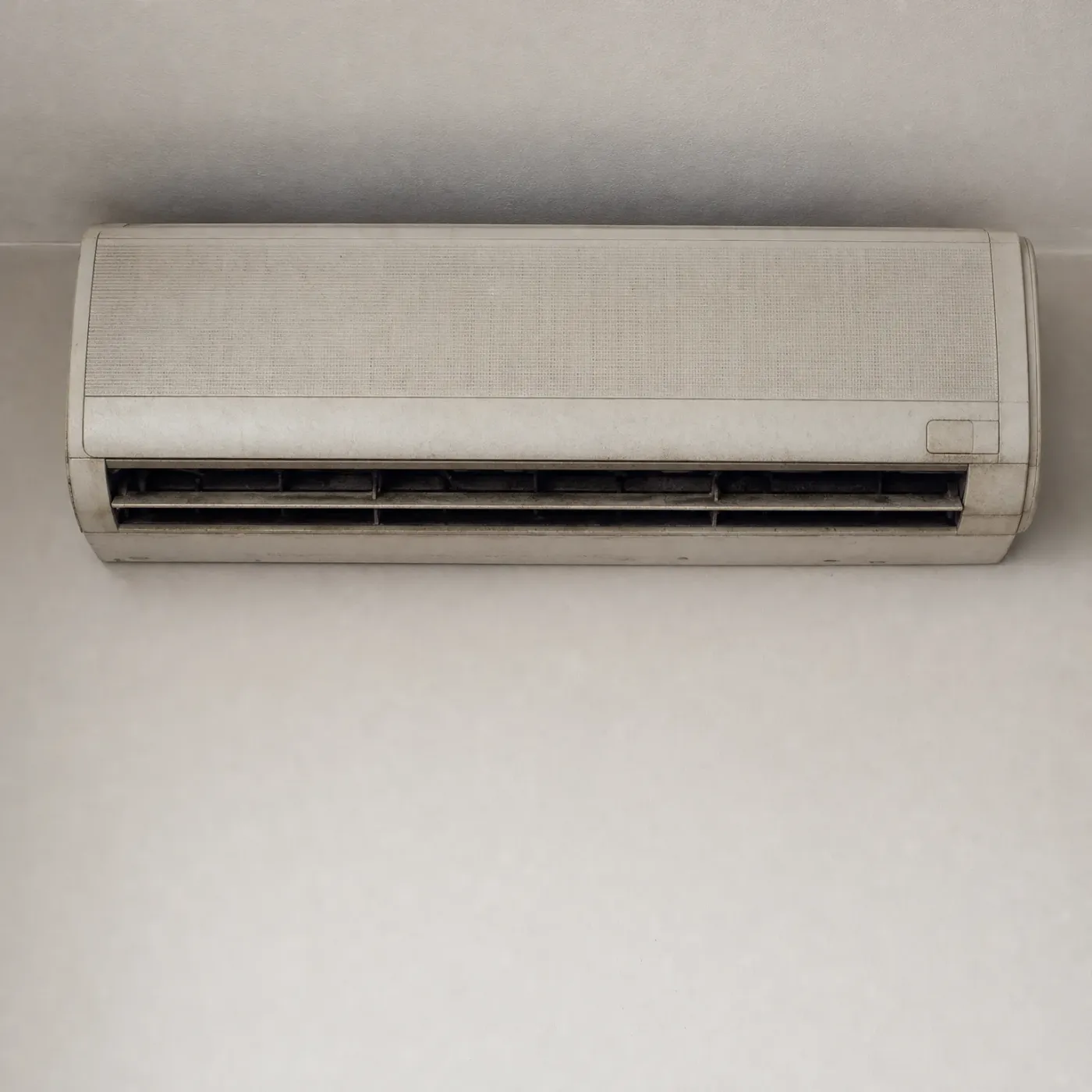
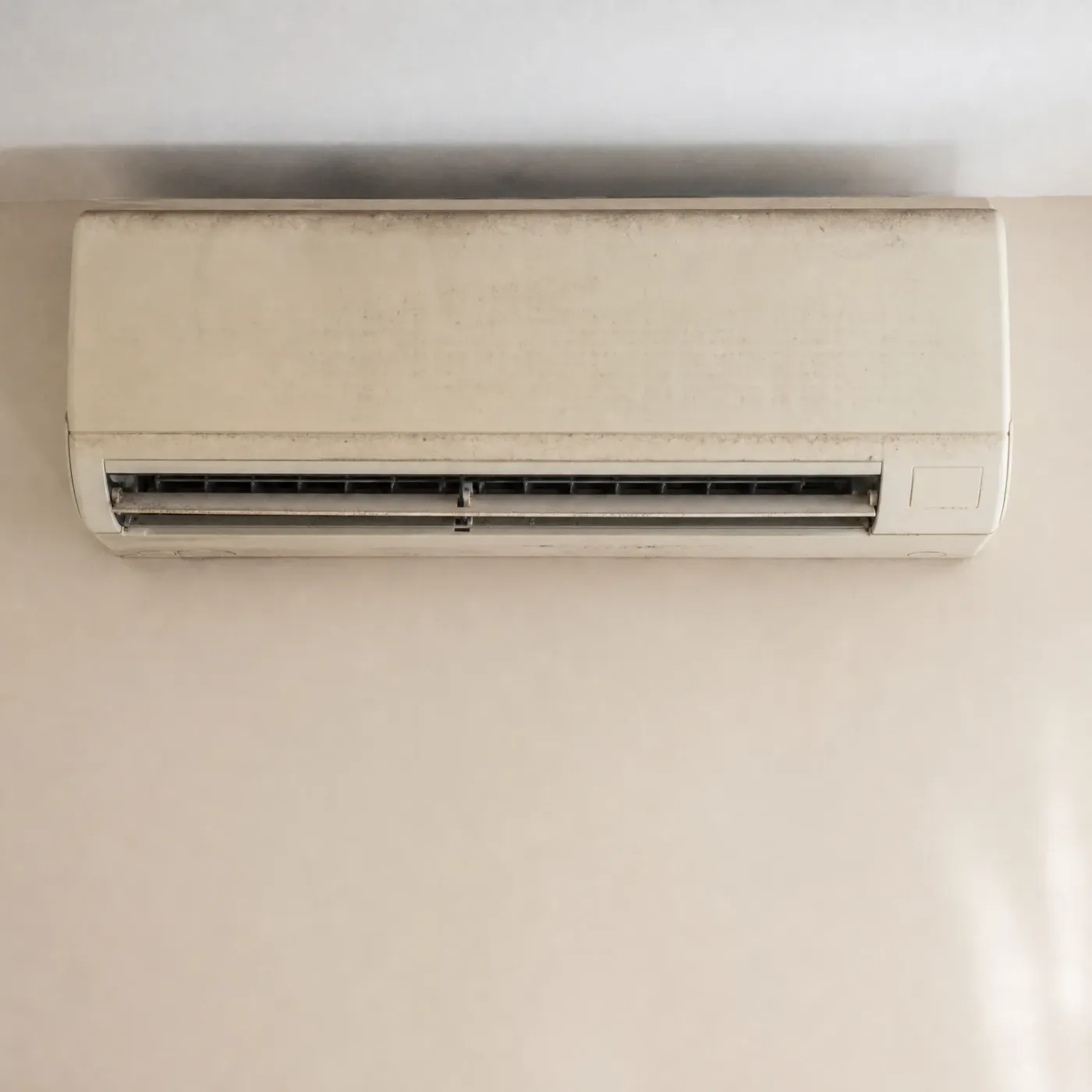
A mini split that goes too long without cleaning starts showing it in small ways first. The room takes longer to cool off after you get home on a July afternoon. The air coming out feels weaker against your hand than it used to. Your electric bill climbs a little each month even though you haven't changed the thermostat setting, because a dirty coil and a clogged filter make the system run longer to do the same job. Left alone through a full Plano summer, that strain adds up. The indoor unit can start dripping or smelling musty if the drain line backs up with algae, and the outdoor unit struggles to shed heat when its fins are packed with yard dust and cottonwood fluff. None of this happens overnight, but by August, a neglected system is working harder for a worse result, and the difference between that and a clean one is the gap between a bedroom that's actually comfortable and one that just sort of gets by.
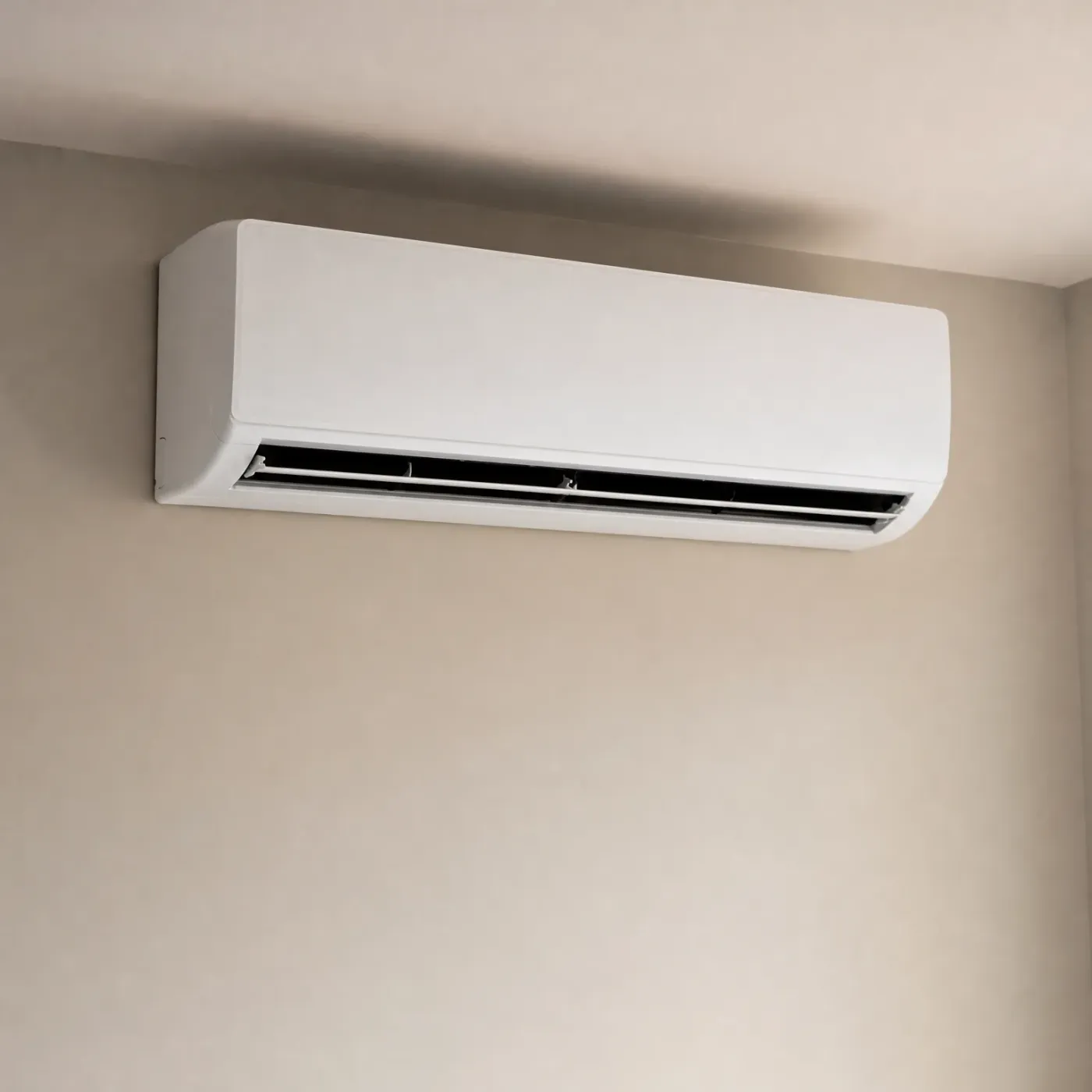
That is how often the filter needs a rinse through a Plano summer. Skip a few cycles and the coil behind it starts losing its grip on the humidity.
A full checkup covers the drain line, the blower wheel and the coil fins, the parts you cannot reach from the front panel.




Keep cleaning it on schedule and the unit holds its output through a full Plano summer, drawing the same power in July that it did in May to cool the same room.
Let the filter and coil go past that point and the compressor runs longer to make up for weak airflow, so the electric bill rises before anyone notices the room isn't quite as cool.
Six months of cooling is a long stretch for one filter to handle. That's enough time for dust to pack the mesh tight and for the coil behind it to start losing its grip on the moisture your rooms are holding by August.
NOAA nClimDiv 1991-2020



The National Weather Service puts the average summer dew point across Collin County at 68°F, and that's the number that tells you how heavy the air feels on your skin, not just how hot it is. Your mini split has to wring that moisture out of every room it cools, and a dew point that high keeps the coil working at it for weeks without a break. A dirty coil loses that grip first, before you notice any drop in temperature. The room still feels cool, but it feels damp, like the air never quite dries out. That's the coil losing ground to the humidity, not the thermostat.
NASA POWER T2MDEW

Rinse the filter every 2 to 3 months through a Plano summer and get the coil, blower wheel and drain line looked at once a year. That schedule keeps the unit pulling moisture out of the air the way it did when it was new, and it keeps your power bill from creeping up room by room.
Finding someone to do that yearly checkup is its own chore. Most people end up searching for a contractor, calling a few, explaining the same thing about their unit more than once, then sitting with quotes trying to work out who actually knows mini splits. None of that changes whether your coil needs cleaning. It just decides how much of your afternoon it takes to get there.

Fill out one short form instead of calling around.