
Can a mini split be your only heat in Texas

Step 1 of 3: Equipment

Yes, a mini split can heat your home through a Texas winter on its own. Texas winters don't ask a heat pump to do much. Most of the cold snaps here sit well above the temperature where a mini split starts losing its edge, so the unit keeps pulling heat from the outside air without much strain. Most homes in Texas already heat with electricity, which is exactly what a mini split uses, so you're not adding a new kind of utility bill or a backup furnace to manage. The one thing worth planning for is a hard freeze. On the rare nights that drop into the teens or lower, a mini split works harder and puts out less heat, so a unit sized with that in mind, or paired with a small backup source, covers you the rest of the way. For most of the state, sized right, it's a complete heating system, not a supplement to one.

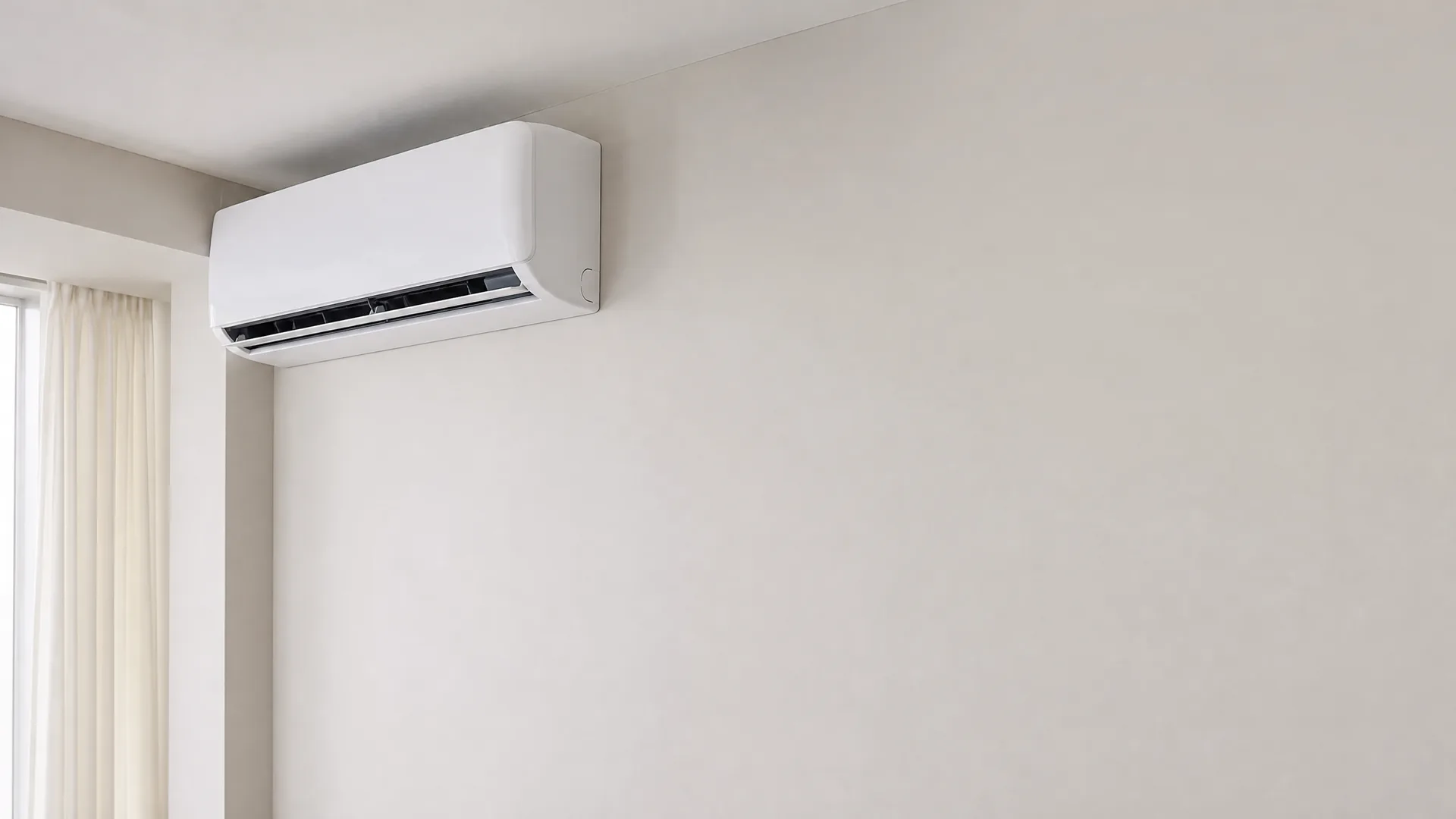
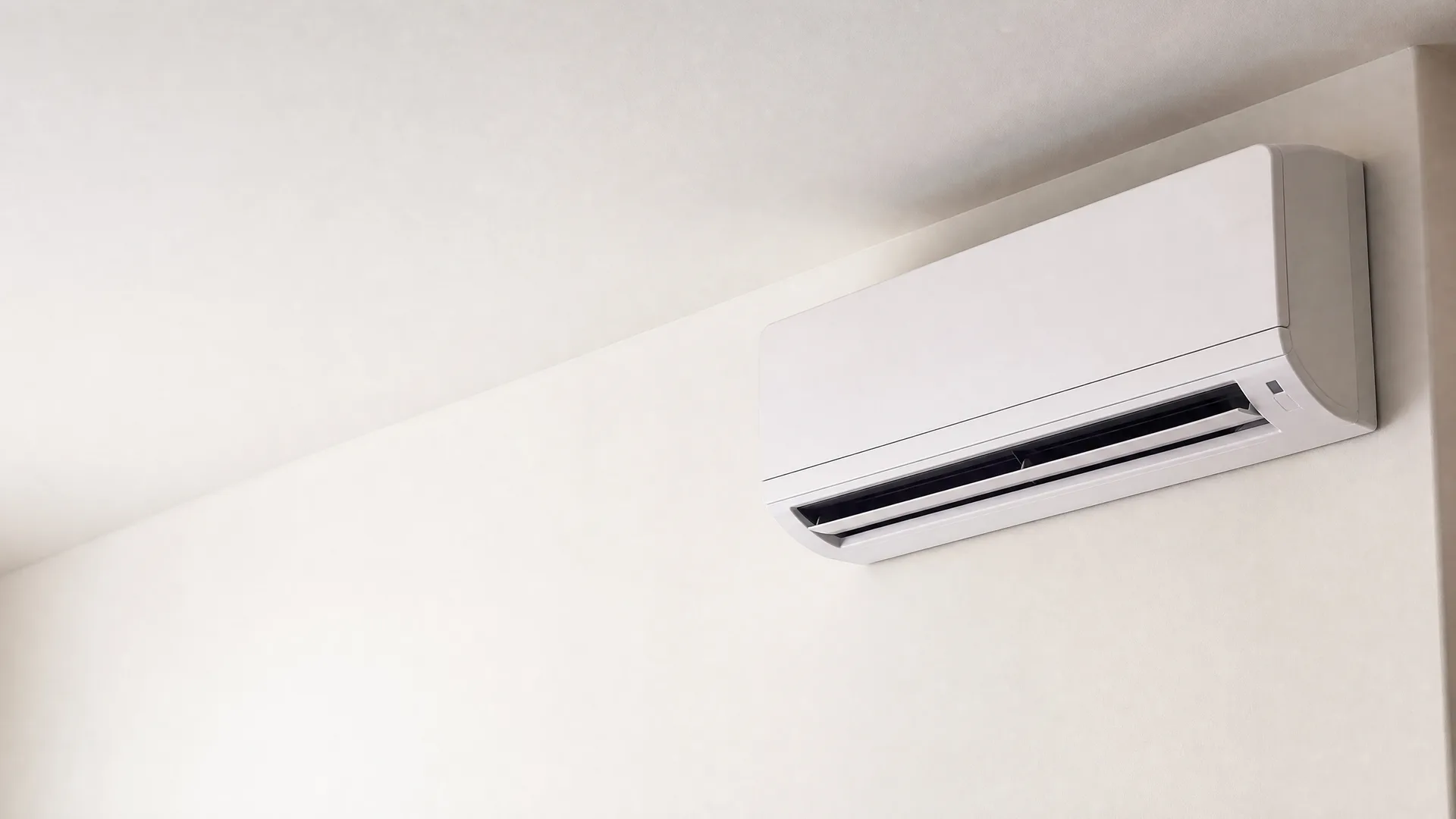
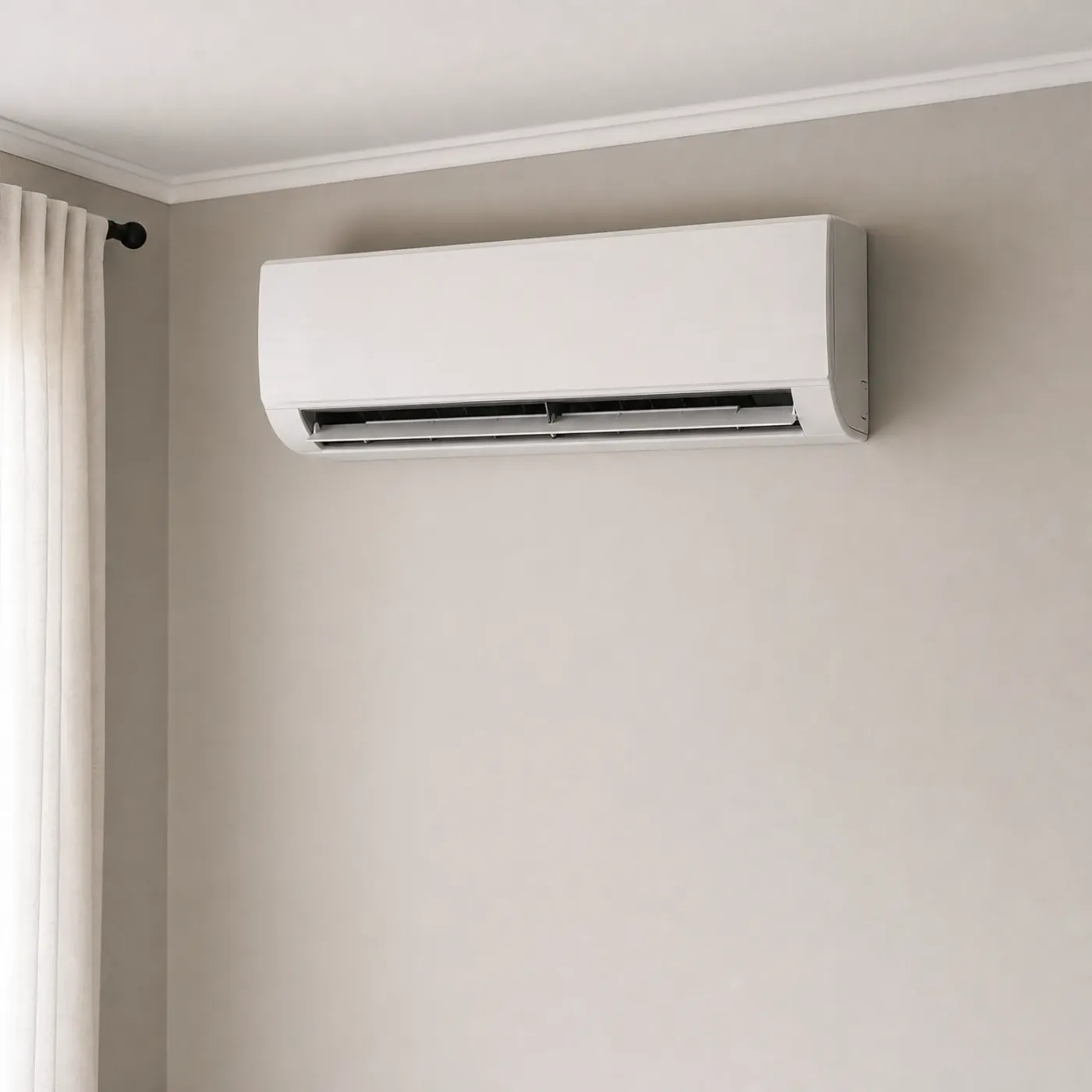
A white wall-mounted mini-split air conditioner installed high on a beige interior wall near the ceiling molding, with a light curtain and curtain rod at the left edge.

A mini split sized right

A newer mini split keeps pace through a Texas winter without strain. It pulls heat efficiently even on the coldest mornings and holds the room at the temperature you set. Since most homes here already heat with electricity, running it as your only heat source costs no more than what you're used to paying.
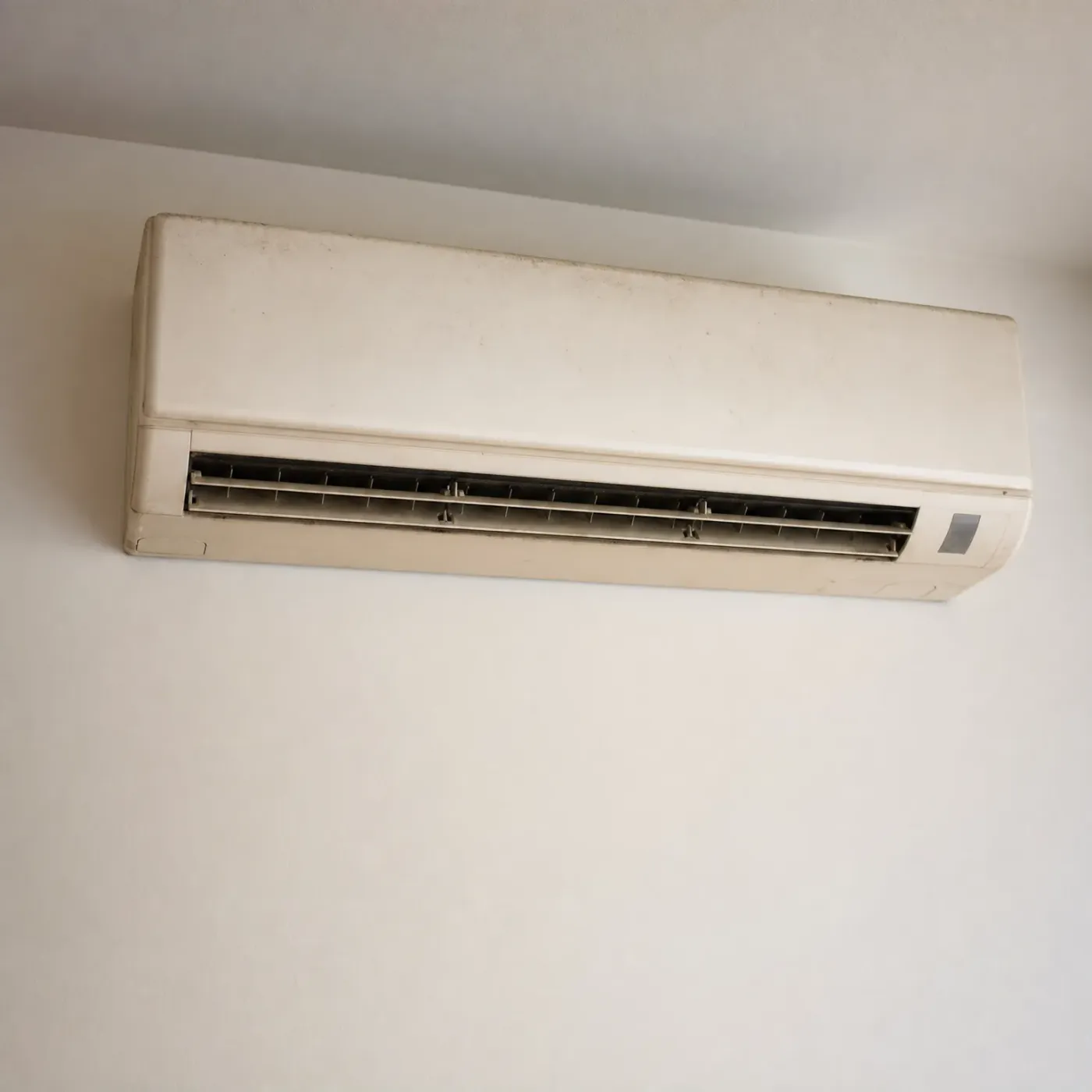

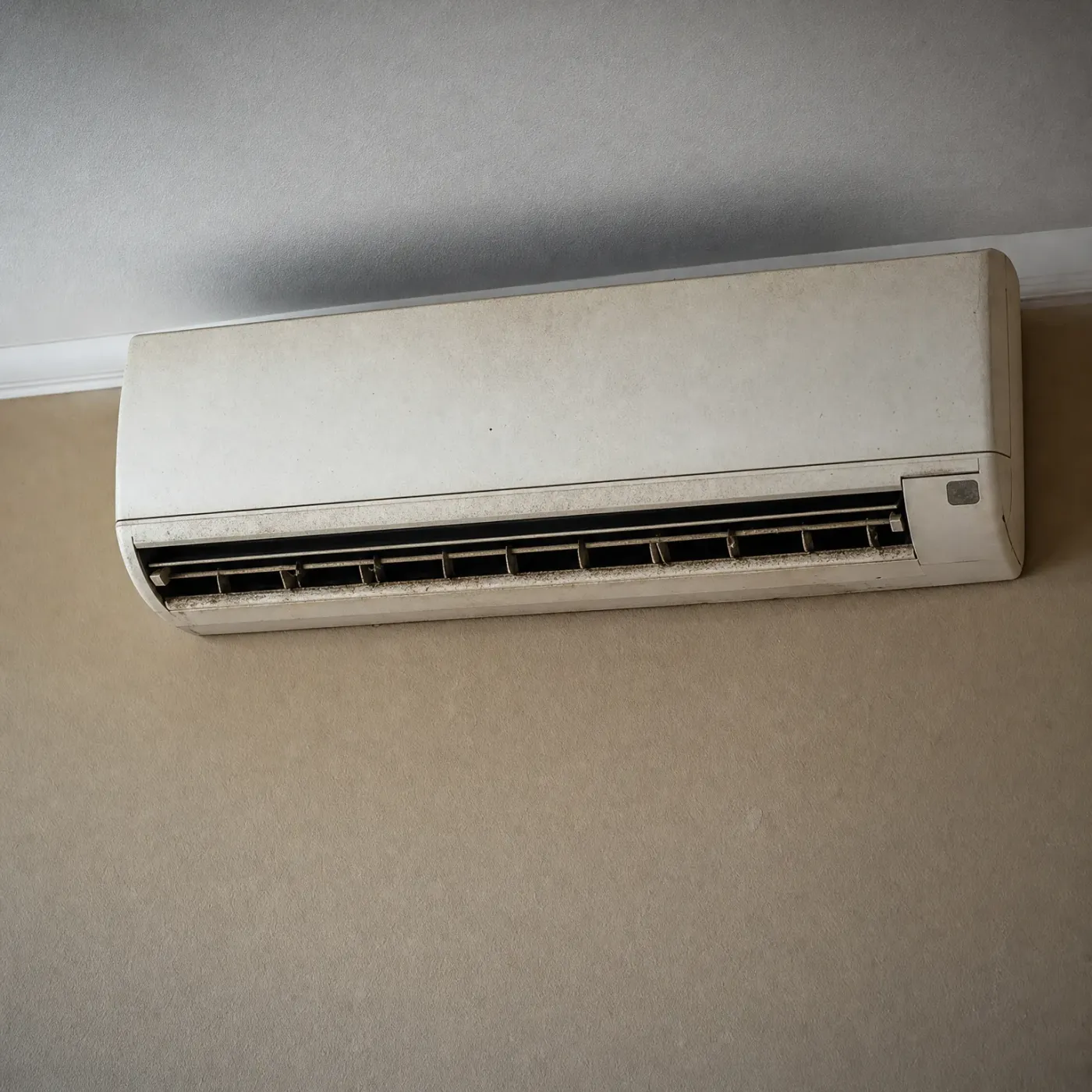
A wall-mounted mini-split air conditioner indoor unit with a discolored cream plastic casing and dusty outlet vanes, installed high on a plain light-colored interior wall near the ceiling.

A mini split past its prime

A unit this worn starts to struggle before the winter's even over. The casing yellows, dust builds in the vents, and the output that once filled the room starts falling short on the colder nights. An aging system like this is worth having looked at before you count on it alone.

A gray-haired bearded man in a dark coat and scarf dusted with snow stands smiling in a dimly lit entryway with a white front door, a side table with a lit lamp, an oval mirror, and a patterned rug.
An older bearded man in a dark snow-dusted coat and gray scarf stands just inside a dimly lit home entry, with a framed picture, lit table lamp, and an adjoining room with a fireplace behind him, and snow visible through the open door.
A gray-haired, bearded man in a dark snow-dusted coat stands smiling in a dimly lit entry hall with a staircase, a lit table lamp, a framed picture, and a living room visible through a doorway.
An older man with gray hair and a beard, wearing a dark jacket dusted with snow, stands smiling in a dimly lit hallway with lamps and a living room visible behind him.

A mini split doesn't make heat the way a furnace does. It moves heat from the outside air into your house, even when that air feels cold to you. The compressor is doing the work, and the colder it gets outside, the harder it has to run to pull the same warmth indoors. Most units sold now ramp that compressor up and down on their own, matching output to what the room actually needs instead of just switching on and off. If your system has a backup heat strip, it only steps in on the rare morning the compressor can't keep up by itself, which in Texas is not often. Every so often the outdoor unit will reverse itself for a few minutes to clear frost off the coil, then go right back to heating. None of this works if the outdoor unit is boxed in. It needs open air on every side to pull in what it needs, so whatever is planted or stacked around it matters more than people expect.

How a mini split makes heat

  • Below a certain outdoor temperature, a heat pump's compressor has to work harder to pull the same amount of heat from the air.
  • Most mini splits sold today use a variable-speed compressor that ramps up output automatically as it gets colder outside, instead of just switching on and off.
  • An electric heat strip or backup coil, where installed, only kicks in on the rare morning the compressor alone can't keep up.
  • The indoor head reads the room temperature constantly and adjusts the compressor speed to hold the set point, rather than overshooting and cycling off.
  • Defrost cycles briefly reverse the system to melt frost off the outdoor coil, then switch back to heating within a few minutes.
  • The outdoor unit needs clear airflow on all sides to pull in air efficiently, even when it's mounted close to the house.
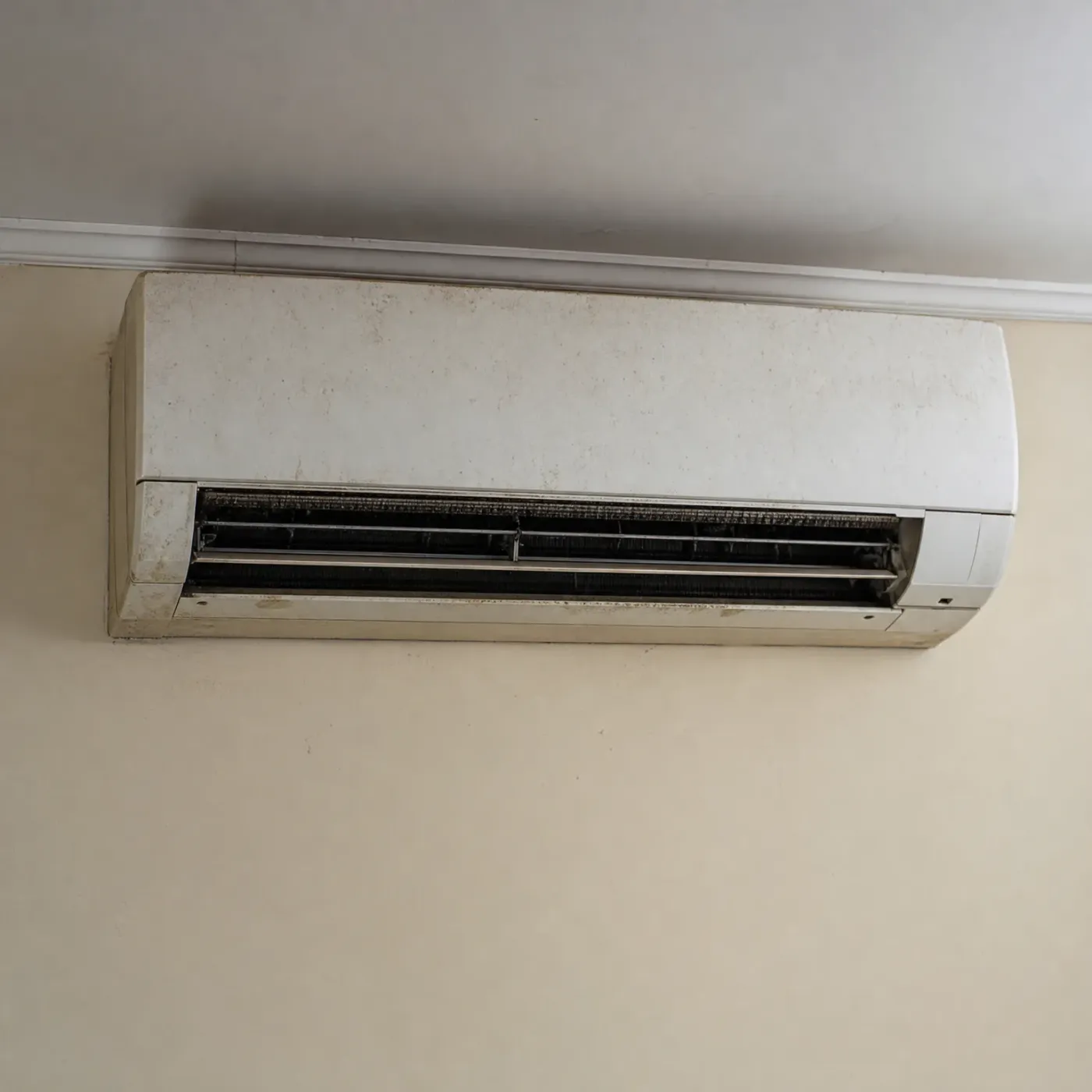
A dusty white wall-mounted mini-split air conditioner installed high on a beige interior wall below a molded ceiling trim.
Before you get your mini split installation
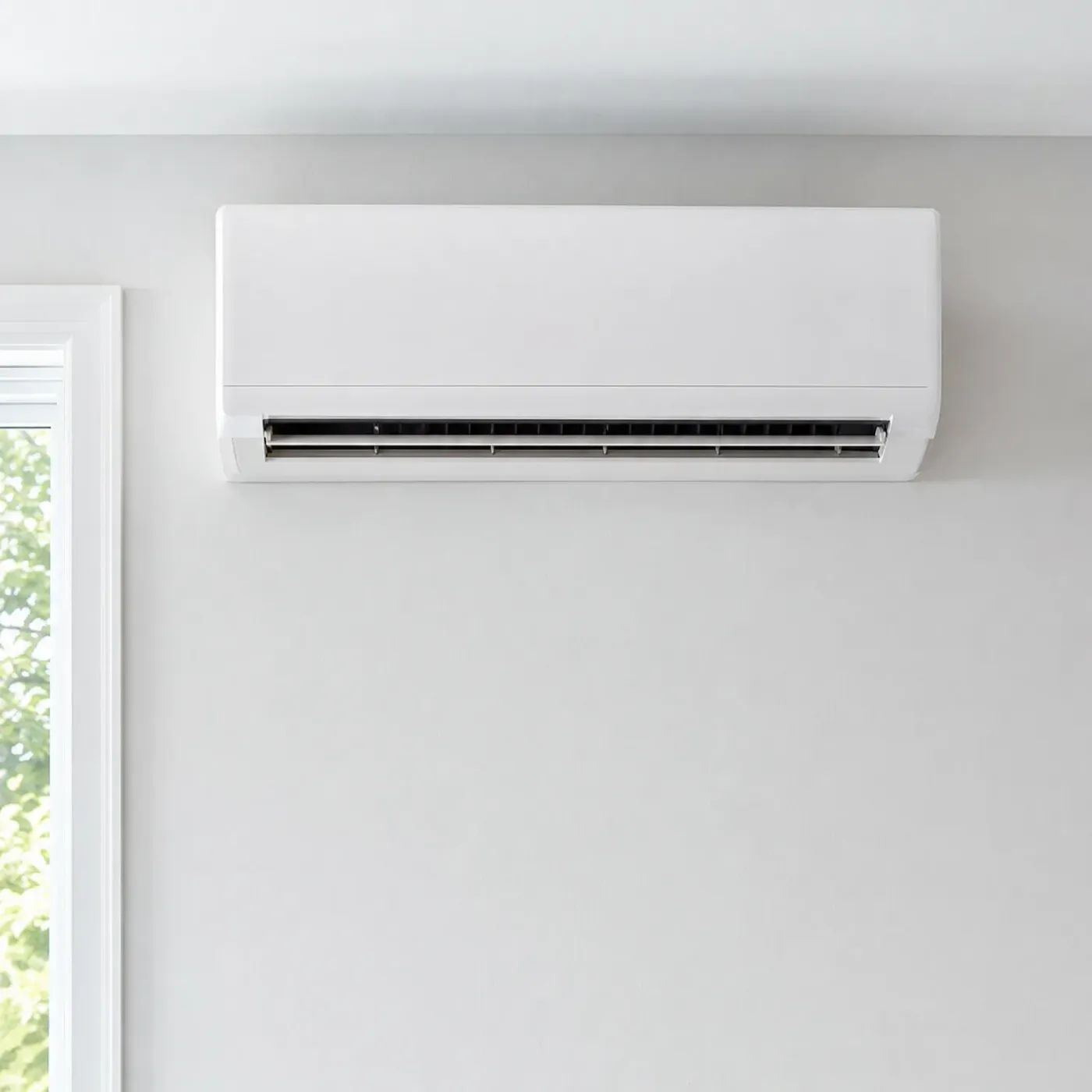
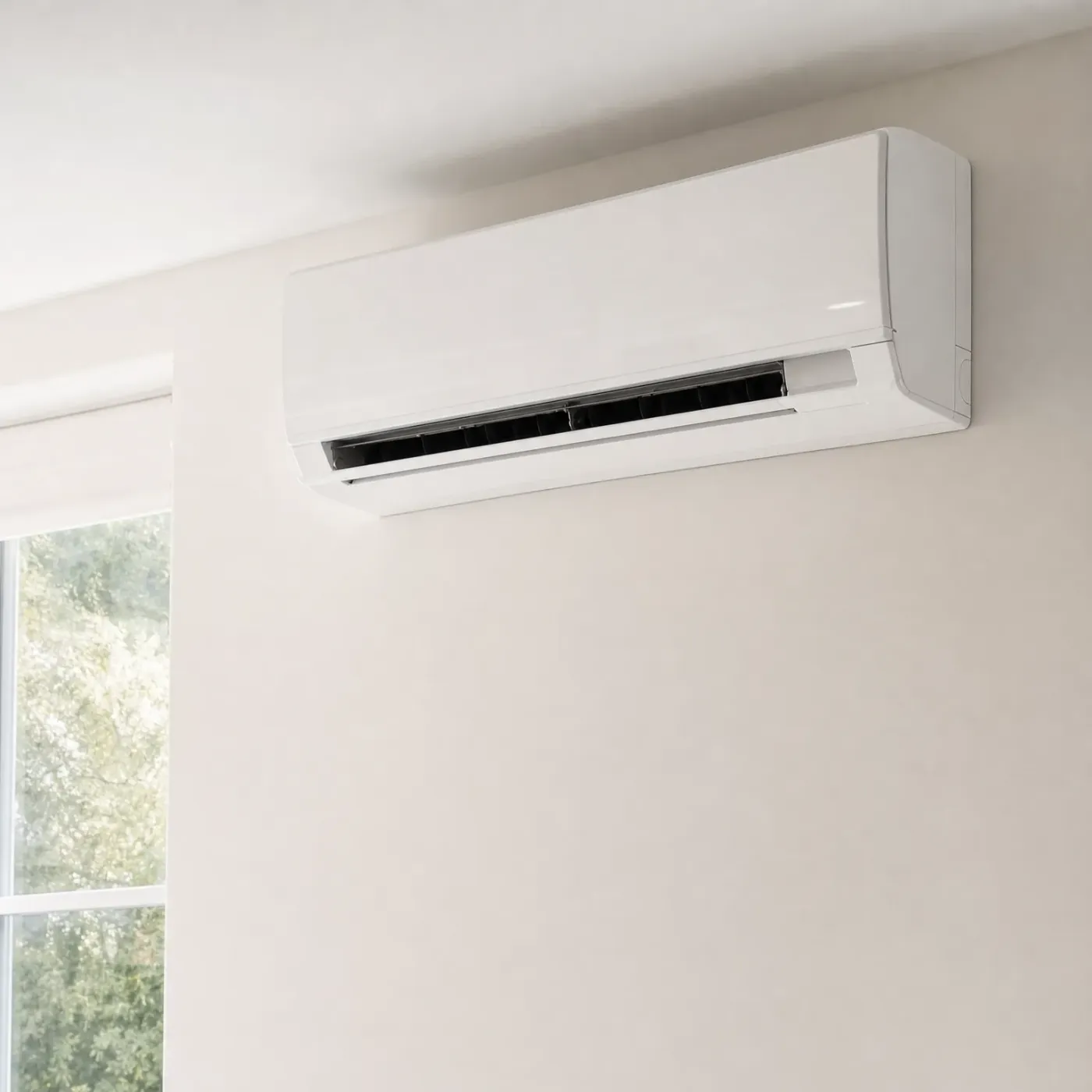
A white wall-mounted mini-split air conditioner unit installed high on a light gray interior wall near the ceiling, with a white-framed window and green foliage visible at the left edge.
After you get your mini split installation

Texas building codes require a backup heat source only in homes where the main system can't keep up on its own. A mini split sized for your home's heat loss meets that standard without a furnace sitting behind it.

That's why so many homes across the state run on a mini split alone, with no gas line, no ductwork, and one electric bill that covers both heating and cooling.

A woman wrapped in a thick beige fleece blanket sits on a sofa with an open book on her lap, beside a lit table lamp, with a frost-covered window behind her.
An older woman with gray hair in a bun and glasses, wearing a beige knit sweater, smiles while looking to the side in a warmly lit kitchen, with a loaf of bread on the counter in the foreground and a snowy scene outside the window.

One mini split, zero backup

A single properly sized unit can cover the whole house through winter here, so there's no furnace to maintain, no second fuel bill, and nothing else to service once it's in.

Find a mini split pro

Undersized, and the strain shows

A mini split that's too small for the house runs flat out on cold mornings and still falls short, leaving rooms cold and pushing the electric bill up for no comfort gained.

Find a mini split pro

One Zone Or One Per Room

One zone covers the house

  • Works if the home has an open floor plan where one indoor unit can reach every room without closed doors blocking airflow.
  • A single indoor head has one thermostat, so a bedroom down the hall can end up colder than the room where the unit sits.
  • Costs less upfront since there's only one indoor unit and one line set to install.
  • Leaves no backup if that one unit needs service, since every room depends on the same compressor.
  • Sizing has to match the full house, not just one room, or it will run constantly and still fall short on the coldest mornings.

A head in every room

  • Each room holds its own set temperature, so a bedroom and a living room can run at different levels at the same time.
  • Costs more to install since each indoor head needs its own line running back to the outdoor unit.
  • If one head fails, the rest keep running, so the whole house isn't waiting on a single part.
  • Lets you shut off heat in rooms nobody's using, which a single-zone system can't do.
  • Takes more planning up front, since each room's indoor unit has to be sized to that room's heat loss, not just split evenly.
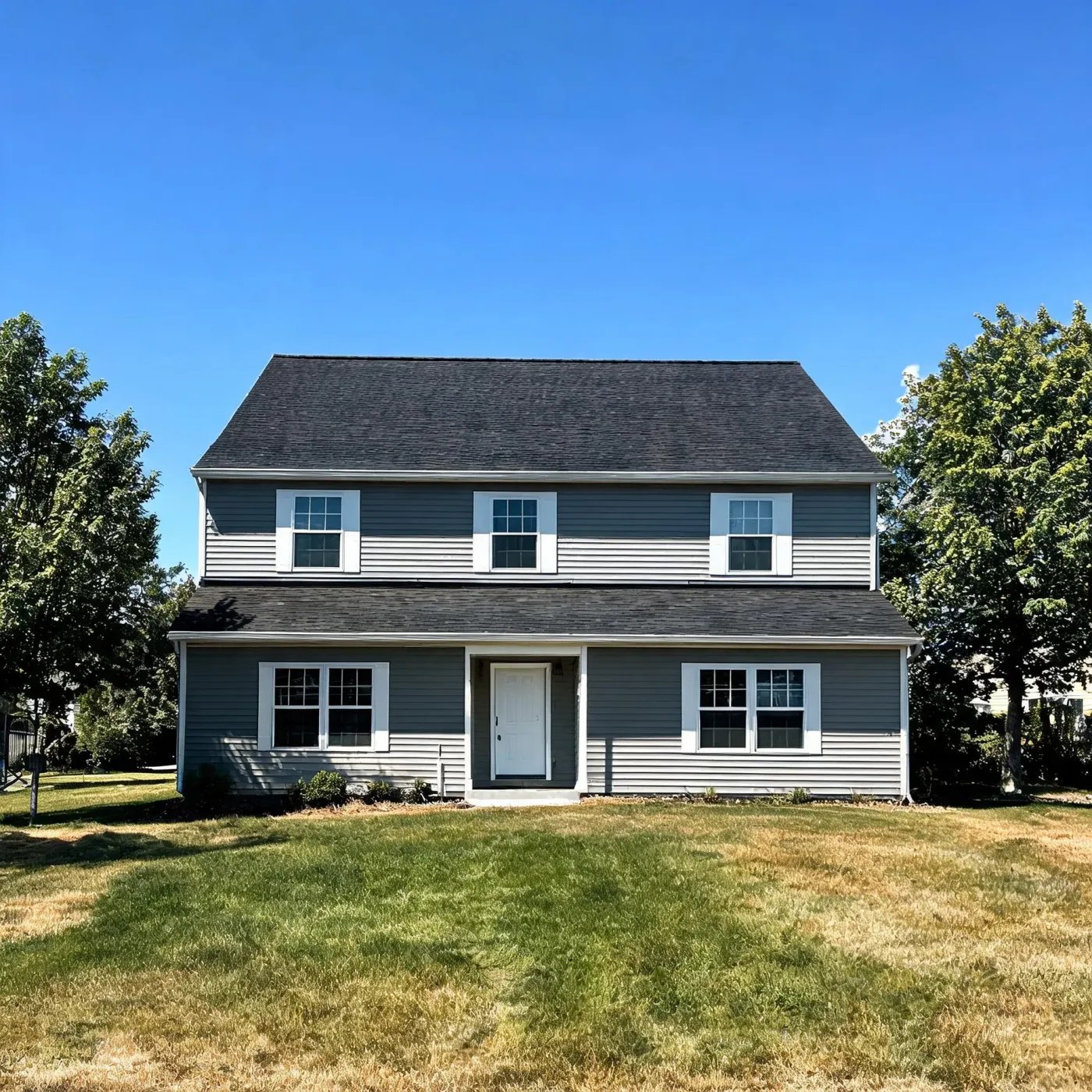
A two-story house with gray and light gray siding, white-trimmed windows and a white front door, flanked by deciduous trees, with a partly browned lawn in front under a clear blue sky.

Summer here isn't just hot, it's heavy. Averaged across Texas homes, the dew point sits at 68°F through June, July and August, per NOAA climate data. That's the kind of air that clings, the kind that makes a room feel warm even when the thermostat says otherwise. Your mini split has to do two jobs in that air: cool it and wring the moisture out of it. A unit sized for Texas summers handles both without running nonstop. One that isn't will cool the room but leave it feeling damp. If you're not sure which one you've got, that's a quick thing for a contractor to check, and once you send the details, finding one is off your plate.

NASA POWER T2MDEW county cells weighted by homes

A pro who works on mini splits

Send the request and finding a pro stops being your problem.

No fee to send it, and nothing to sign.

A white wall-mounted mini-split air conditioner near the ceiling of a room with plain beige walls and a pale curtain at the left edge.

A house heated by electric resistance

Baseboard heaters and electric furnaces make heat by running current through metal, and every watt of that current becomes heat. A mini split moves heat instead of making it, pulling warmth from the outside air even when it's cold, so it delivers more heat per dollar of power. Since most homes here already run on electricity, that difference shows up on the bill every month, not just the ones with a cold snap.

A white wall-mounted mini-split air conditioner indoor unit installed near the ceiling on a plain off-white interior wall.

A house still on a furnace

A gas furnace burns fuel to make heat, and that heat has nowhere to go but through the ducts already in the walls. Replacing it with a mini split means living with wall or ceiling units instead of vents you don't see, and it means the ductwork either gets reused for the indoor coils or sits unused. A homeowner weighing this is weighing the house itself, not just the equipment.

Power costs 15.40 cents per kilowatt-hour statewide

Since your mini split runs on electricity like most heating here, that 15.40 cents a kilowatt-hour is the rate behind every degree it puts out this winter. A unit sized right for your home turns most of that into heat rather than wasted current, which keeps the bill closer to what the thermostat actually asks for.

EIA-861 2025 statewide residential average

A white wall-mounted mini-split air conditioner installed near the ceiling on a light-colored interior wall, with a window and green foliage visible at the left edge.
A clean mini split breathes easy, pulling in air through a clear intake so it can keep heating the house at full output all winter.
A dusty white wall-mounted mini-split air conditioner indoor unit installed high on a beige interior wall below a white ceiling and trim.
A coil caked in dust and grime makes the unit work harder for less heat, and that strain shows up on the power bill.

What happens if the power goes out when it's cold?

Since a mini split is carrying the whole house through winter here with no furnace behind it, it makes sense to wonder what happens the moment the power drops. A mini split runs on electricity from the compressor to the indoor fan, so a blackout stops it cold the same way it would stop a furnace's blower and igniter. The question is what happens after, and whether the unit just picks back up.

The mini split shuts off and restarts on its own once power returns

A mini split has no pilot light and nothing to relight. When the outage hits, the compressor and indoor fan stop, and the house starts losing heat at whatever rate it normally loses heat with no system running. Once power comes back, the unit picks up where it left off and starts pulling the room back to the temperature on the thermostat. Texas outages tend to come with ice storms more than deep cold snaps, so the bigger risk is usually how long the power stays off, not whether the unit recovers. Nothing needs to be reset or reprogrammed unless the thermostat itself loses its settings, and most of the ones paired with a mini split hold those through a short outage.

  1. Outdoor temperature drops, and the thermostat calls for more heat.

  2. The compressor ramps up speed to pull more heat from the outside air.

  3. Refrigerant carries that heat through the line set to the indoor unit.

  4. The indoor coil releases the heat, and the fan pushes it into the room.

A woman in a cream sweater and jeans stands in the open doorway of a white stucco house, holding the dark door, while a man in a dark quilted jacket seen from behind walks toward the entry past potted plants.

A mini split can carry your home through a Texas winter

Sized right and kept clean, a mini split needs nothing standing behind it here. The coldest mornings in Texas rarely ask more of the compressor than it can give, and the unit answers by running harder, not by failing. That's the whole answer to what you came here asking.

Where you stand now depends on the one thing this page can't see from here: whether the unit already in your home or the one you're planning was sized for how much heat your house actually loses on its coldest night. That's a measurement, not a guess, and it's worth having someone confirm it rather than assume it. Once you put in a request, finding that person stops being something you have to sort out on your own. A contractor who installs mini splits in your area gets your details and follows up, and from there it's a conversation about your house, not a search.

A gray upholstered sofa with a matching cushion sits beside a potted plant and a wooden table holding a small green plant in a stone pot, near a curtained window.
A wooden front door with six small glass panes and a narrow sidelight, set in a shingled house entry with white trim, reached by stone steps flanked by a planted urn with purple flowers and leafy branches in the foreground.
Exterior corner of a house with beige horizontal lap siding and a black-framed window, with white hydrangeas, ornamental grasses and low plantings along a flagstone patio.
Corner of a house with tan lap siding and a window, a brick step edge, flowering white hydrangeas and green shrubs beside a flagstone walkway leading to a white picket fence and a tree in backlit sunlight.
House exterior with cream horizontal lap siding, a dark-framed window, a black wall lantern beside a wood door, potted shrubs on stone steps, and white and pink hydrangeas in the foreground garden.
Corner of a cream lap-sided house with a white-framed window and dark shingled roof, beside a white-flowering hydrangea shrub, a clipped hedge, mulched bed and lawn.

Get your mini split to the right pro

After this form, you can stop searching for a mini split pro.

Match me with a pro

Sending the form costs nothing.